Oil Prices Skyrocket as Trump Threatens Blockade of Vital Strait of Hormuz Shipping Lane
Oil prices jumped April 12, 2026 after Trump said the U.S. would blockade the Strait of Hormuz, lifting Brent to ~$102 and U.S. crude to $104.
Atlas Newsdesk ·
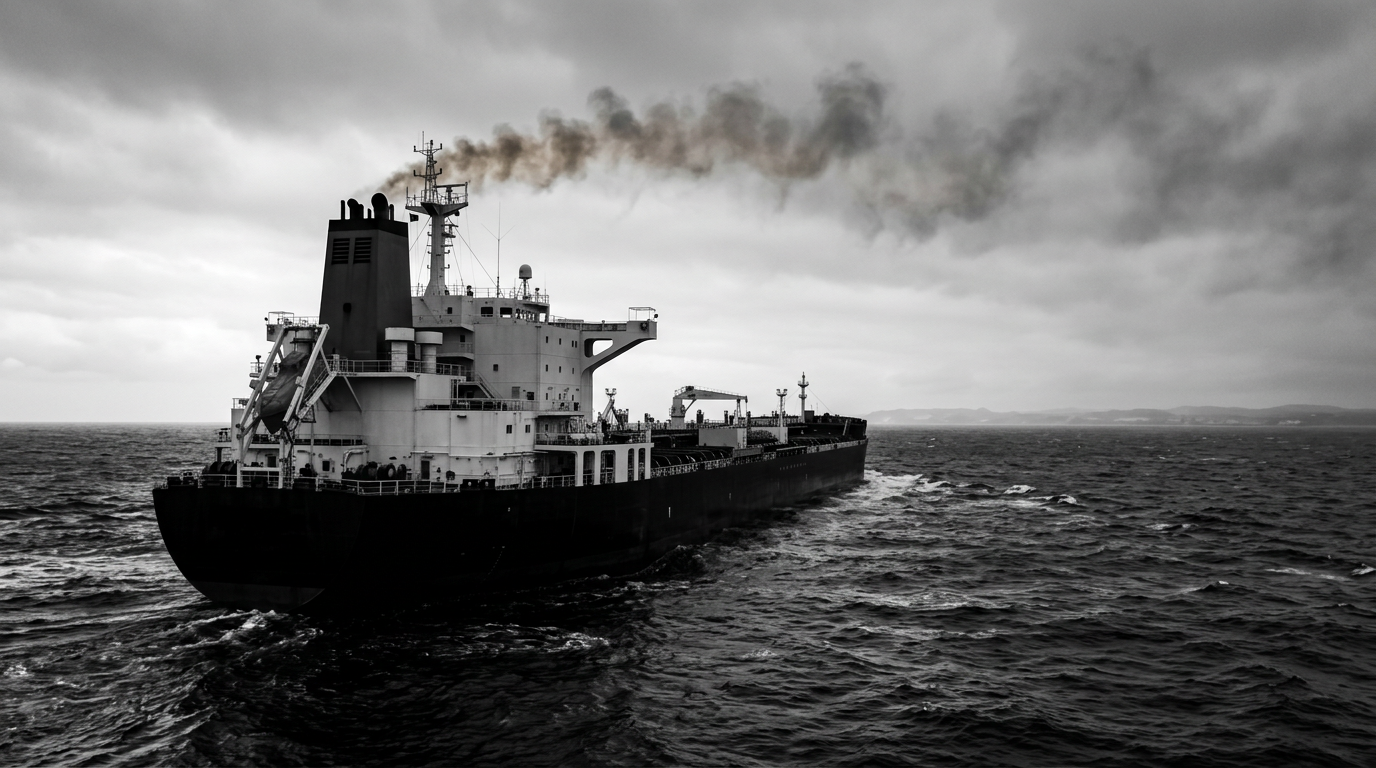
Oil prices surged on Sunday, April 12, 2026, after former U.S. President Donald Trump said the United States intended to blockade the Strait of Hormuz, a key route for global crude shipments. The move, as described in a recent report, was framed as an effort to stop all vessels from transiting the waterway. The report said the planned start time for the blockade was 10 a.m. ET on Monday.
Markets reacted quickly. Brent crude, the main international benchmark, rose 8% to about $102 per barrel, according to figures cited in the report. U.S. crude also gained 8%, reaching $104 per barrel, the report said.
The report linked the price spike to Trump’s stated intention to prevent passage through the Strait. It said the threatened action was presented as a response to Iran’s collection of tolls for transit and to an increase in Iranian oil exports. Iran’s crude exports averaged 1.85 million barrels per day through March, up 100,000 barrels per day from the prior three months, according to the same report.
Iran’s Islamic Revolutionary Guard Corps issued a warning of severe repercussions for any military vessels approaching the Strait, the report said. The latest escalation was also tied in the report to the failure to secure a durable ceasefire agreement in the region. The report noted that oil prices were now well above their April 1 settlement.
In the United States, the report said the situation was expected to push gasoline prices higher. On Sunday, the average U.S. gasoline price was $4.12 per gallon, a 38% increase since the start of the conflict, according to figures cited in the report. Analysts referenced in the report said that if crude prices remain elevated, broader inflation pressures could follow.
Those analysts said higher oil costs can feed into food prices, mainly through supply-chain effects tied to fertilizer and packaging materials. The report presented this as a risk channel that could extend the impact beyond energy markets into consumer prices. How long prices stay elevated, and whether the threatened blockade proceeds as described, remained uncertain in the report.