Oil Surges as Iran Blocks Vital Strait
Oil prices rose Monday as Iran closed the Strait of Hormuz after Trump cited a ship seizure, lifting Brent over 4% to $94.20.
Atlas Newsdesk ·
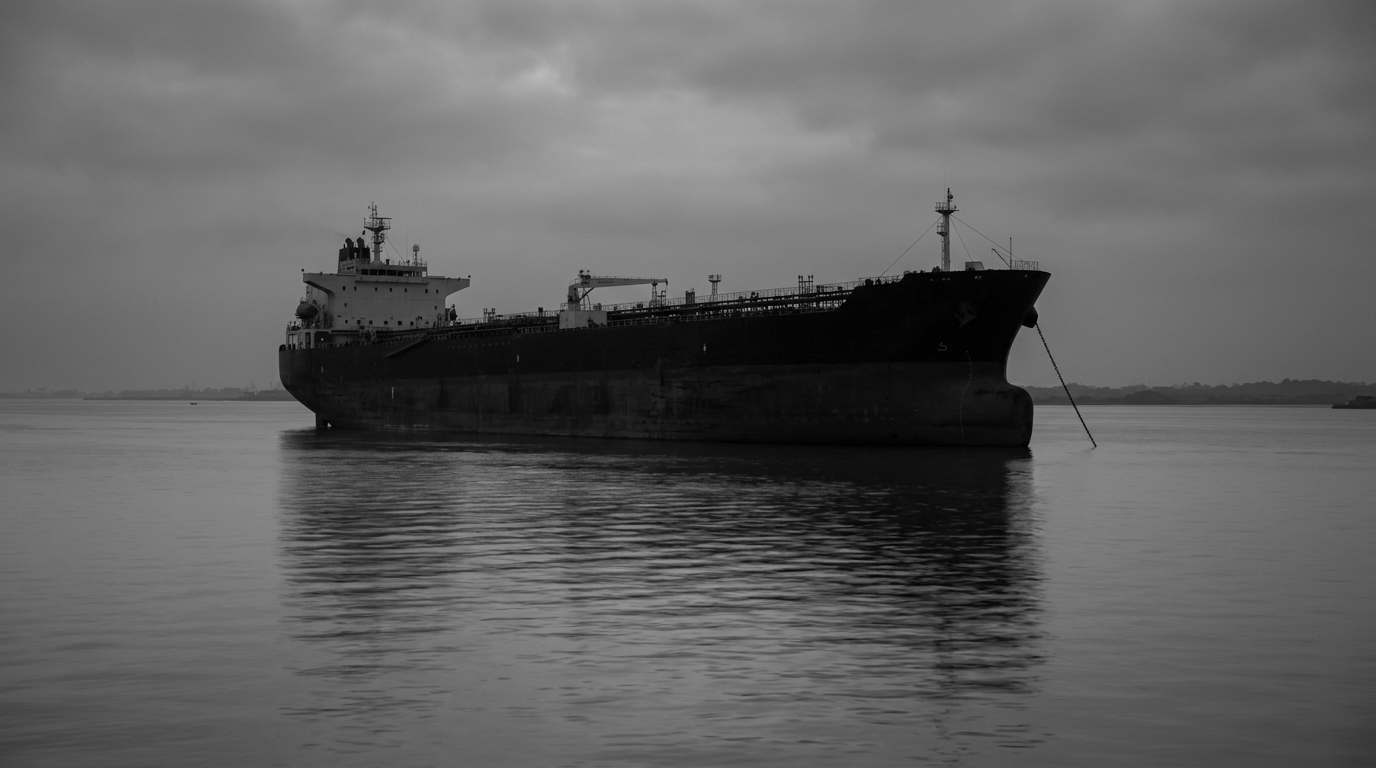
Global oil prices moved sharply higher on Monday after U.S. President Donald Trump said an Iran-flagged cargo ship had been seized and Iran then announced the closure of the Strait of Hormuz. Brent crude futures climbed more than 4% to $94.20 a barrel, reversing an earlier decline as traders reacted to the risk of disrupted supply routes.
Iran said on Saturday that the Strait of Hormuz would be shut to commercial vessels and warned it would target ships that approached. Officials said the closure would remain in place until the U.S. ended its naval blockade, raising the stakes around one of the world’s most important energy chokepoints.
The Strait of Hormuz typically carries about 20% of the world’s oil and liquefied natural gas, according to the figures cited in the developments. With that volume at risk, energy markets have seen heightened volatility, as participants reassess shipping safety, delivery schedules, and the availability of alternative routes.
Price swings have intensified since the U.S. and Israel began attacks on Iran on February 28, followed by Iranian threats directed at shipping. Brent crude, which was trading around $70 per barrel before the conflict, surged to nearly $120 on March 9, underscoring how quickly geopolitical events have been reflected in benchmark pricing.
Diplomatic efforts were also in focus. Negotiations between U.S. and Iranian representatives were scheduled for Monday in Pakistan, with U.S. Vice-President JD Vance set to lead the American delegation. However, Iranian state media reported that Tehran currently has no plans to participate, leaving uncertainty over whether talks will proceed as planned.
The disruption risk around the Strait has contributed to what was described as a global energy crisis, marked by rising prices and fuel shortages. Asian nations were cited as particularly exposed because many rely heavily on the waterway for energy imports, making shipping access and insurance conditions central to near-term supply stability.
Key unknowns include how long Iran intends to keep the Strait closed, whether commercial traffic can resume safely, and whether the U.S. changes its naval posture in response. Markets are also watching for clarity on the status of the seized Iran-flagged cargo ship and whether scheduled negotiations in Pakistan occur despite Iran’s stated position.