Strait of Hormuz Blockade: Oil Prices Surge
Oil prices jumped on April 19, 2026 after Iran restricted the Strait of Hormuz, halting tanker transits and lifting Brent and U.S. crude.
Atlas Newsdesk ·
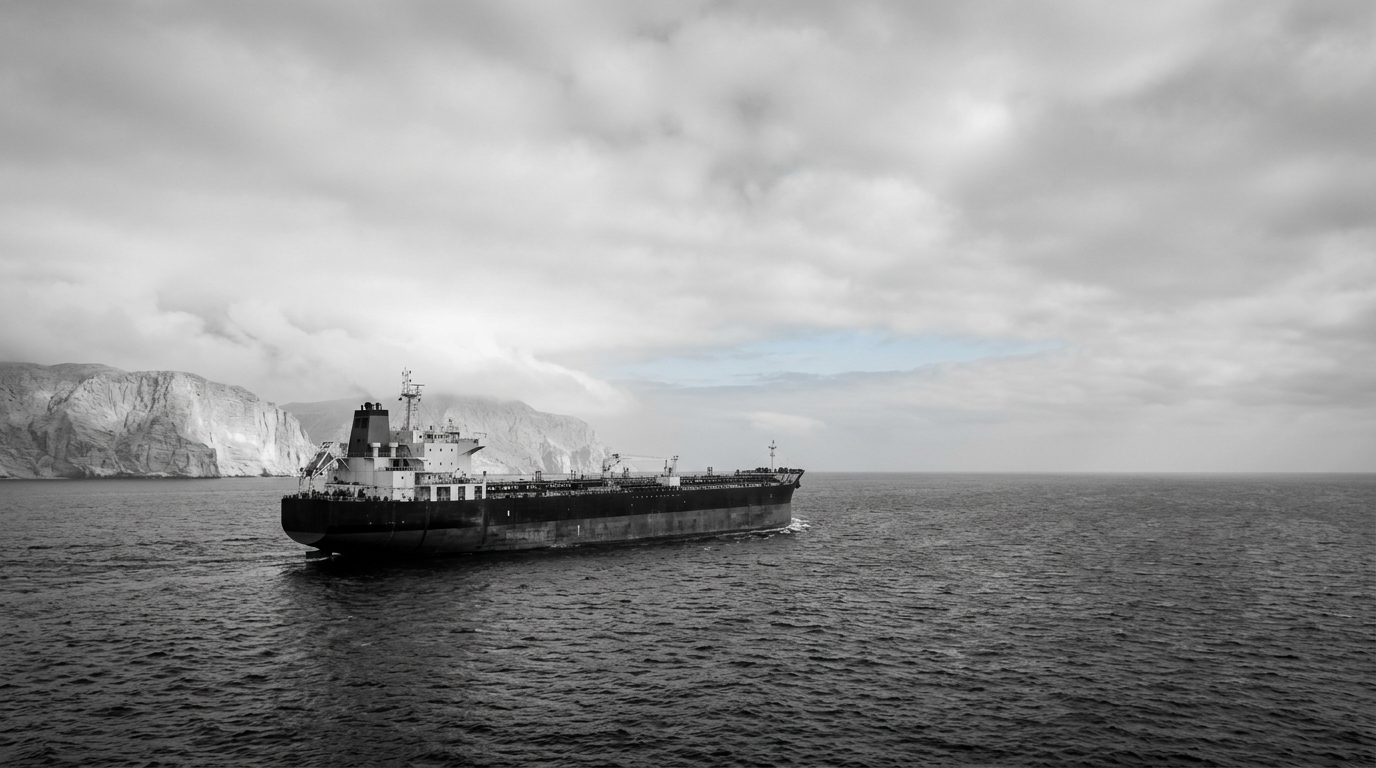
Global oil prices rose on Sunday, April 19, 2026, after Iran restricted access to the Strait of Hormuz and engaged with commercial shipping. Brent crude, the international benchmark, climbed about 7% to $96.88 per barrel, while U.S. crude also gained 7% to $90.33 per barrel. The move followed Iran’s renewed closure of the waterway, a key route that handles one-fifth of the world’s crude oil supply.
The latest escalation began on Saturday when Iran announced the closure of the Strait of Hormuz, citing “breaches of trust” by the United States. Iranian gunboats reportedly fired upon tankers attempting to pass through the strait, according to the account in the source material. The disruption appeared immediate, with tracking data showing that no tankers transited the Strait of Hormuz on Sunday.
U.S. forces responded with actions at sea that further raised tensions. The U.S. military fired warning shots at an Iranian-flagged vessel, the “Touska,” which was described as attempting to violate a U.S. naval blockade, and the ship was ultimately seized. Iran’s military said it would retaliate against what it called “U.S. armed piracy,” keeping the risk of further confrontation in focus for energy markets and shipping.
Diplomacy was also in motion as the ceasefire agreement neared its expiration. U.S. President Donald Trump said a U.S. delegation is traveling to Pakistan for peace talks with Iran, with Wednesday set as the deadline for a new agreement to extend the ceasefire. Iranian negotiators were expected to arrive on Tuesday, although Tehran had not officially confirmed their attendance.
Iran’s parliamentary speaker and chief negotiator, Mohammad Bagher Ghalibaf, said a final agreement remains distant. That statement, combined with the lack of tanker traffic through the strait on Sunday, underscored the uncertainty around how quickly normal flows could resume. The situation also highlighted how quickly geopolitical developments in a major maritime chokepoint can translate into price moves for global benchmarks.
In the United States, officials pointed to potential consumer impacts from higher crude prices. U.S. Energy Secretary Chris Wright said the U.S. national average gasoline price, currently $4.05 per gallon, may not fall below $3 per gallon until next year. With the ceasefire extension talks tied to a near-term deadline and shipping activity disrupted, markets were left watching both naval developments and the diplomatic timetable for signals on whether the standoff eases or intensifies.