Oil prices gain as Iran claims tanker action near Hormuz
Oil prices rose after Iran claimed vessel stops near Hormuz, adding pressure to traders already tracking Red Sea and Mediterranean supply risks.
Atlas Newsdesk ·
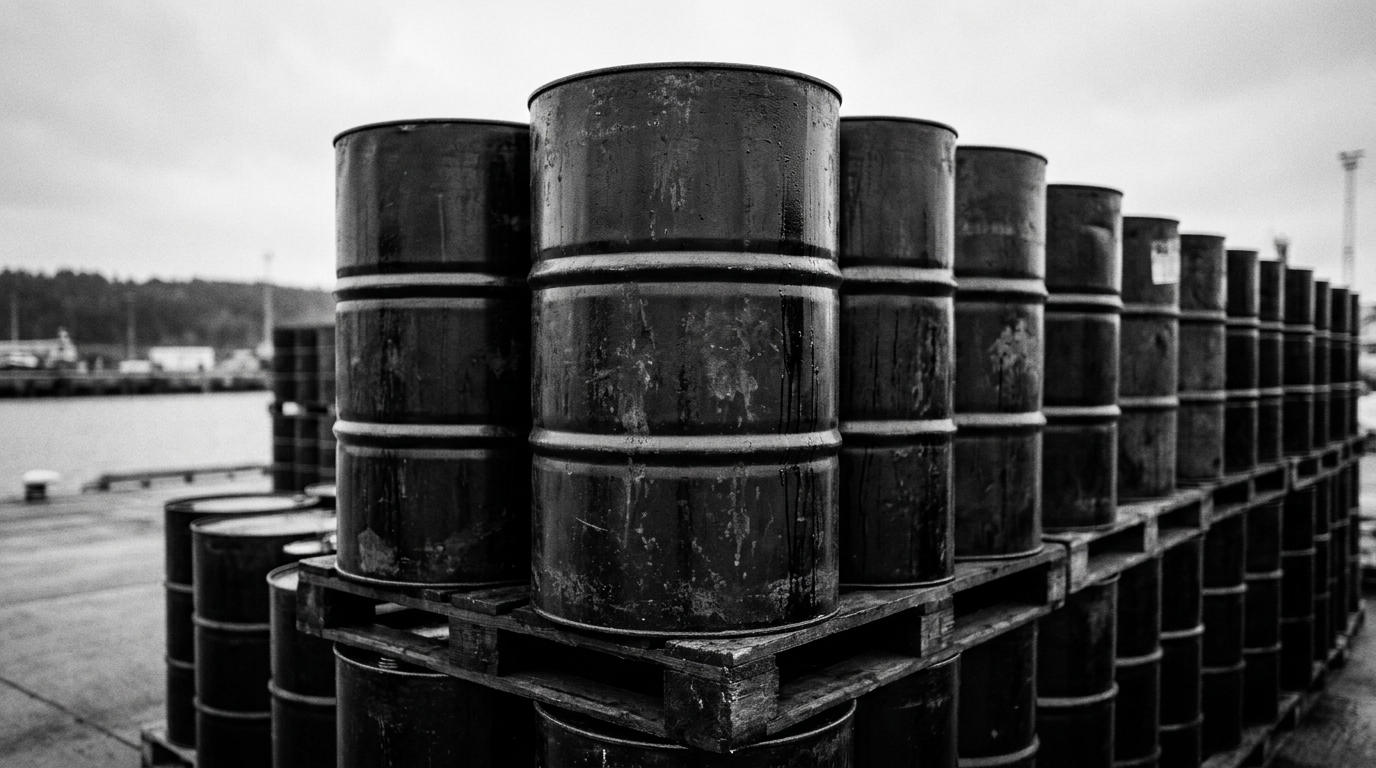
Oil prices rose after Iran said it stopped two vessels near Hormuz, renewing market focus on Gulf supply risk and Red Sea disruption.
The Iranian account said the vessels were trying to leave the Strait of Hormuz, the narrow channel between Iran and Oman. It also said four other tankers reversed course after Iranian forces intervened, but those reports could not be independently confirmed.
Hormuz claim lifts crude
Traders treated the reports as another supply-risk signal after a separate, similar claim earlier in the week was not corroborated. Oil prices were up more than 1% on Friday, while benchmark Brent crude futures were on course for a 23% gain in July.
Shipping data from Kpler showed two large tankers carrying Gulf-loaded oil moved through the strait. The same data recorded two other commodities vessels transiting the route, while noting that ships with transponders switched off may not be captured.
A narrow route carries weight
The Strait of Hormuz matters because it normally handles about one-fifth of global energy shipments. Any disruption there can affect crude, refined products and liquefied energy flows before barrels reach refineries or export customers.
The latest claims come during a five-month conflict that has already pushed shipowners and traders to reassess regional routes. Iran has restricted much of the traffic through Hormuz during the conflict, while Houthi forces in Yemen have this month threatened Bab el-Mandeb, the passage linking the Red Sea to the Gulf of Aden.
Bab el-Mandeb sits at the opposite end of the Red Sea from the Suez Canal, another export route used for Saudi crude. Pressure on both corridors raises the cost of uncertainty even when physical cargoes keep moving, because traders must price delays, insurance, rerouting and the risk of sudden interruptions.
Supply routes shape price risk
The immediate corporate exposure falls on tanker operators, commodity traders and refiners dependent on Gulf-origin cargoes. If vessel movements remain largely open, companies can absorb higher risk premiums through freight and insurance costs rather than through lost supply.
If Iran’s claims are followed by verified blockages, the mechanism would be different: fewer cargoes would clear the strait, replacement barrels would become harder to source, and Brent-linked contracts would face added pressure. At the macro level, sustained disruption would feed energy inflation risk for importing economies and complicate central-bank efforts to separate temporary price shocks from persistent inflation.
If the claims remain unverified and Kpler-tracked traffic continues, the market may keep a geopolitical premium without treating Hormuz as closed. That path would still matter for the wider shipping and energy sectors, because insurers, charterers and refiners may keep charging for risk until vessel data and official statements point to calmer transit conditions.