US Sanctions Spark Oil Price Surge
Oil prices jumped on Oct. 28 after the US ordered a blockade of vessels entering or leaving Iranian ports via the Strait of Hormuz.
Lauren Collins ·
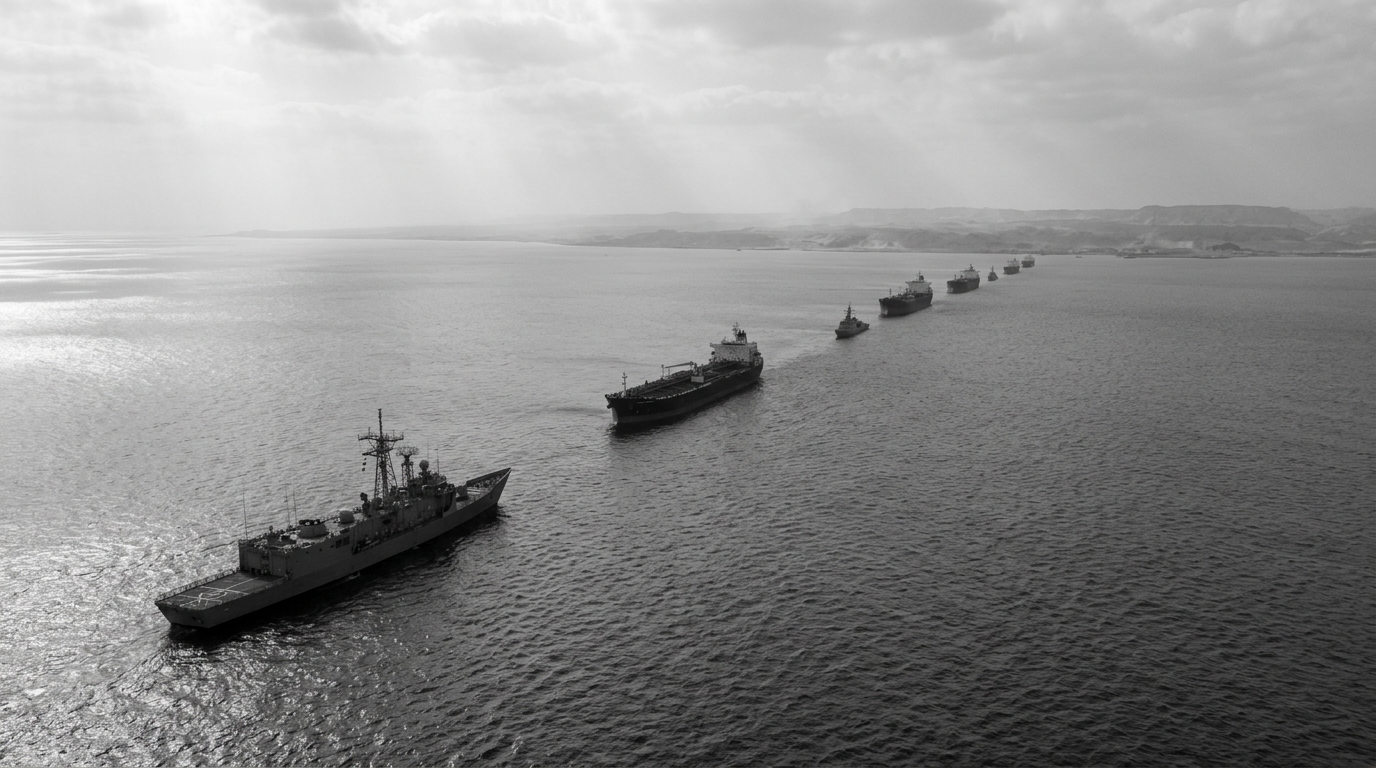
Oil prices climbed sharply on Monday, October 28 , after peace talks between the United States and Iran failed and the U.S. President ordered a blockade targeting Iranian ports accessed via the Strait of Hormuz. Brent crude, the international benchmark, rose by more than 7% to $102.02 per barrel before easing back and trading around $98 in U.S. afternoon dealings.
The move marked a reversal from last Wednesday’s price drop, which followed a conditional two-week ceasefire arrangement that included reopening the Strait of Hormuz. That earlier development had helped push prices lower by reducing immediate concerns about disruptions along one of the world’s most important maritime corridors for energy and commodities.
According to the U.S. order, the blockade applies to vessels attempting to enter or leave Iranian ports through the Strait of Hormuz and took effect immediately. The U.S. Central Command said the action would begin at 10:00 EST (15:00 BST) on Monday, while adding that ships transiting the Strait to and from non-Iranian ports would not be affected.
Iran’s response was swift. The Unified Command of Iranian Armed Forces described the U.S. restrictions as illegal and said it would implement a “permanent mechanism to control the Strait of Hormuz.” The statements underscored the risk that operational rules in the waterway could tighten further, even if the U.S. measures are framed as limited to Iranian port traffic.
The Strait of Hormuz is a central chokepoint for global trade flows. About one-fifth of the world’s energy shipments move through the passage, and it also carries large volumes of other commodities, including aluminum, helium, and fertilizer feedstocks. Any disruption—whether through restrictions, heightened security measures, or uncertainty for shipping—can quickly feed into energy pricing and freight costs.
Officials and market participants have warned that continued disruption could deepen the global energy crisis and raise costs for consumers worldwide. Higher crude prices can translate into increased fuel and transport expenses, which can ripple through supply chains and affect prices for goods that rely on energy-intensive production or long-distance shipping.
China called for restraint and stressed the importance of maintaining security and ensuring unimpeded passage through the Strait of Hormuz, describing this as a common interest for the international community. With the U.S. order in force and Iran signaling a lasting control mechanism, a key uncertainty is how the measures will be implemented in practice and how shipping behavior adjusts in response.