Oil Majors' Shares Hit Record Highs Amid Geopolitical Tensions
Major oil companies, including Shell and ExxonMobil, hit record share valuations on March 15, 2026, driven by surging energy prices.
Atlas Newsdesk ·
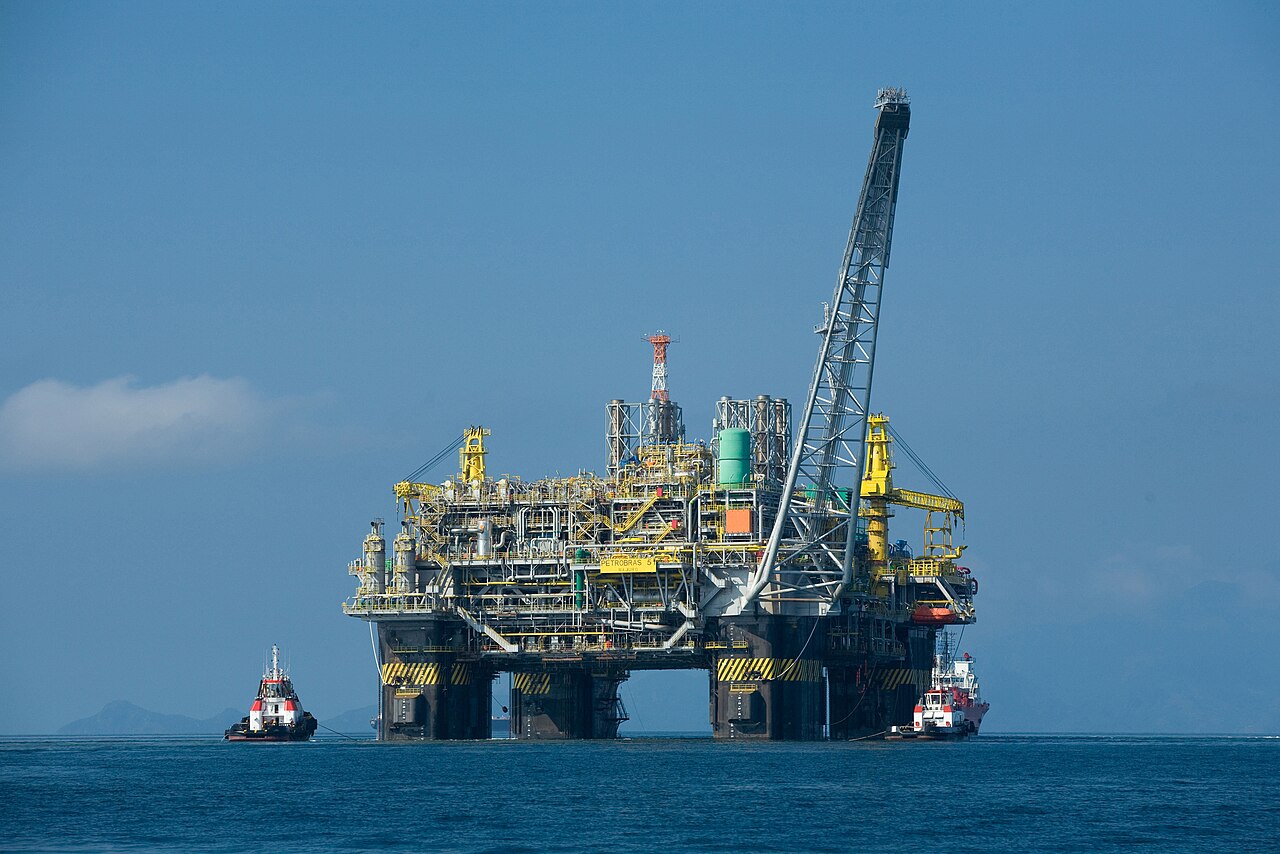
Major international oil and gas companies, including Shell, ExxonMobil, and Chevron, achieved record share valuations on March 15, 2026. This market surge followed a significant increase in global energy prices, primarily driven by an energy supply disruption originating from geopolitical developments in the Middle East. The conflict, specifically US-Israeli military actions targeting Iran, contributed to heightened market volatility and concerns over crude oil availability.
The combined market capitalization of six prominent Western energy firms experienced an increase exceeding $130 billion within two weeks of the conflict's escalation. Shell, listed on the London Stock Exchange, saw its valuation reach £190 billion, representing a 12% rise since late February. Concurrently, ExxonMobil's market value ascended to $630 billion, while Chevron's approached $390 billion, with their respective shares gaining over 5% and 7%.
Global Energy Price Surge
The international benchmark for crude oil briefly touched $117 per barrel earlier in the week, before settling at just over $103 per barrel by the end of the trading week. This upward trajectory in commodity prices directly benefited the energy sector. Other significant players, such as BP, TotalEnergies, and ENI, also recorded substantial share price appreciation, although these did not establish new all-time highs.
Financial Windfalls Expected
Industry analysts anticipate that this market environment will generate considerable financial gains for the sector. Rystad Energy, a prominent energy intelligence firm, projected a $63.4 billion revenue increase for US-based oil companies. Separately, Goldman Sachs estimated a combined £5 billion windfall for European giants BP and Shell. These projections underscore the significant financial implications of the current geopolitical landscape on the global energy market.
European Energy Market Impact
Norway's state-owned Equinor, which holds the position of Europe's largest gas supplier, also experienced substantial growth. Its shares, traded on the Oslo exchange, climbed over 20% within a two-week period, pushing its market valuation to $90 billion. This highlights the broad-based impact of the energy market dynamics across both oil and natural gas sectors, affecting companies with diverse operational footprints.
Broader Market Context
The current situation reflects a historical pattern where geopolitical instability, particularly in major oil-producing regions, directly influences global energy prices and the profitability of energy companies. Investors often view these firms as hedges against inflation and geopolitical risk, leading to increased demand for their equities during periods of uncertainty.
The sustained high energy prices are likely to influence inflation metrics and central bank policy decisions globally in the coming months.
Implications
Country Impact: The surge in oil prices and energy company valuations could impact national economies through increased energy costs, potentially fueling inflation and influencing trade balances for energy-importing and exporting nations. Governments may face pressure to implement measures to mitigate consumer price increases.
Industry Impact: The oil and gas industry is poised for significant revenue windfalls, potentially leading to increased capital expenditure, shareholder returns, or debt reduction. This could also accelerate investment in new exploration or production, though long-term energy transition goals might be re-evaluated.
Market Impact: Global equity markets could see continued rotation into energy stocks as investors seek inflation hedges and benefit from higher commodity prices. Bond markets may react to inflation concerns, potentially leading to higher yields, while currency markets could see shifts based on energy trade dynamics.