Norway Boosts Arctic Drilling Amid European Energy Needs
Norway plans to increase oil and gas exploration in the Barents Sea, aiming to bolster European energy security amidst global instability.
Atlas Newsdesk ·
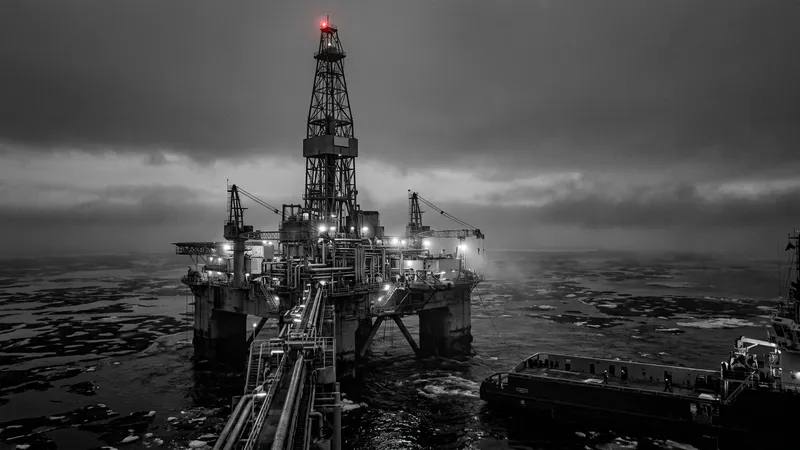
Norway has announced its intention to expand oil and gas exploration activities in the Barents Sea, a move explicitly aimed at strengthening European energy security. This decision, conveyed by Energy Minister Terje Aasland, marks a divergence from previous European Union environmental policies that historically sought to limit fossil fuel extraction in the Arctic region. Europe's reliance on Norwegian energy has grown substantially, with Norway currently supplying approximately 30 percent of the natural gas consumed by the EU and the United Kingdom.
This increased dependence on Norwegian resources is largely a consequence of global geopolitical instability, including ongoing conflicts in the Middle East and the conflict in Ukraine. These events have significantly disrupted traditional energy markets and supply chains, pushing European nations to seek more reliable sources.
Expanding Arctic Exploration
Historically, the European Union has advocated for a moratorium on drilling activities within the Arctic. However, recent reports suggest a re-evaluation of these restrictions by EU officials, acknowledging the current global energy landscape. Norwegian authorities maintain that the proposed development areas in the Barents Sea are ice-free, which they believe helps mitigate potential environmental risks within the sensitive Arctic ecosystem.
Equinor, Norway's largest energy producer and state-controlled corporation, has affirmed its operational flexibility. The company indicated its capacity to redirect output to broader international markets if the European Union ultimately chooses not to purchase resources from these newly developed projects. This statement highlights Norway's significant strategic position within the global energy sector, providing a level of resilience regardless of specific European import decisions.
Shifting Energy Dynamics
Norway's critical role as an energy provider to Europe has expanded considerably in the wake of Russia's invasion of Ukraine. This conflict led to a substantial reduction in Russian gas supplies to the continent, compelling European nations to actively pursue alternative and stable energy sources. Consequently, Norway's influence in energy negotiations and policy formulation has noticeably strengthened. The Barents Sea, located north of mainland Norway, is considered a frontier region holding significant untapped hydrocarbon potential.
Developing these offshore resources presents various complex logistical challenges and raises considerable environmental concerns. Environmental advocacy groups frequently criticize such plans, citing worries about potential impacts on fragile Arctic ecosystems and broader climate change mitigation objectives. The ongoing debate underscores a fundamental tension between immediate energy security imperatives and long-term climate goals. This strategic decision by Norway reflects a wider global trend where energy security is increasingly prioritized in national and international policy discussions.
Security Versus Climate Goals
The long-term implications for climate commitments and the future of Arctic ecosystems remain a central point of discussion among policymakers and environmental organizations. The commitment to increased drilling in the Barents Sea also highlights the delicate balance between satisfying current energy demands and adhering to environmental sustainability goals. As Europe continues to navigate its energy transition, Norway's expanded role is expected to maintain its prominence as a key energy partner, balancing economic interests with ecological responsibilities.