Northwest Europe Fuel Tightness Signals Potential Eurozone Inflation Risk
Tight fuel supply in the ARA region is driving up delivery times and industrial costs, potentially challenging the ECB's inflation targets.
Claire Dubois ·
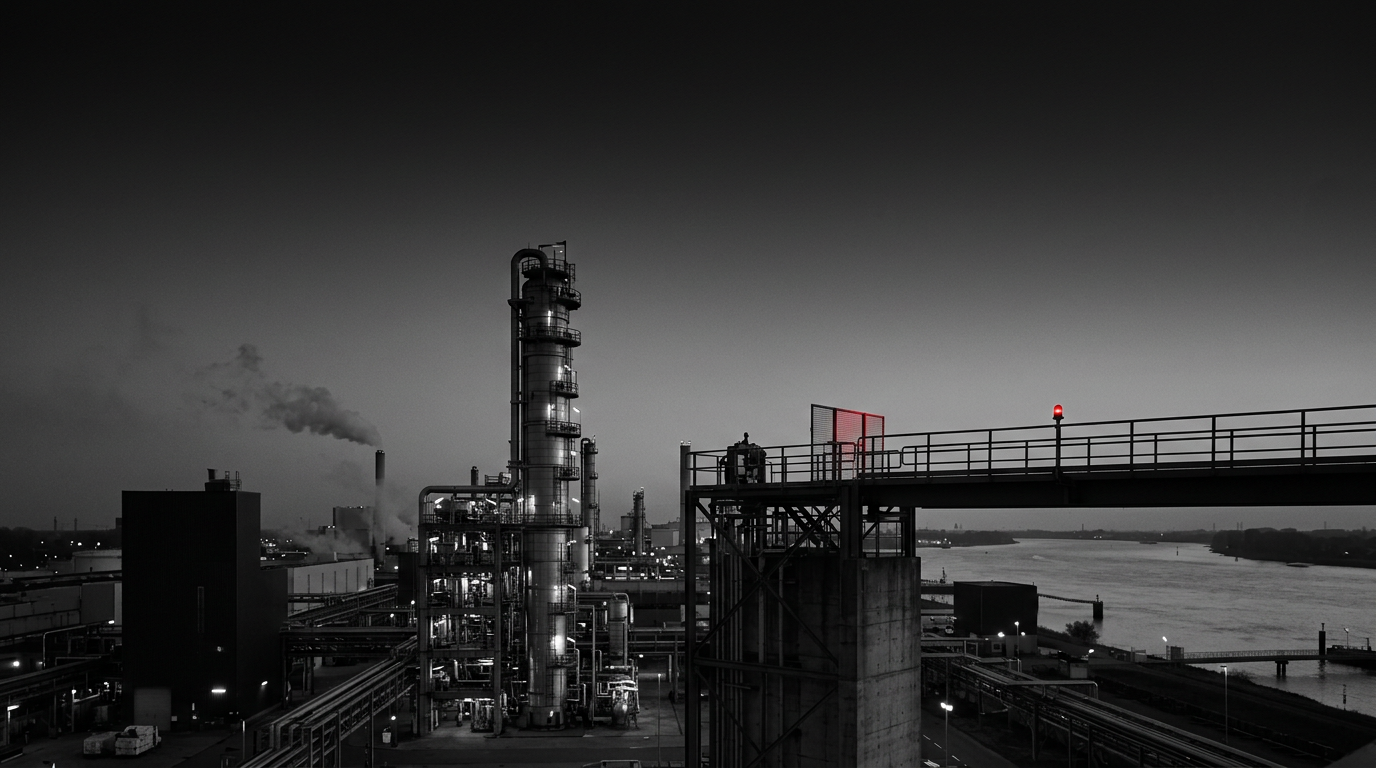
Northwest European Fuel Supply Constricts
Fuel availability in the Amsterdam-Rotterdam-Antwerp (ARA) hub, a critical European energy nexus, has tightened for prompt deliveries, with buyers facing lead times of five to seven days for most fuel grades, a trader reported to ENGINE. This constriction coincides with an improvement in regional fuel demand over recent weeks. Independently held fuel oil stocks in the ARA region averaged 15% higher in September compared to the previous month, according to the same report, yet prompt availability remains constrained.
ARA's Pivotal Role in European Supply Chains
The ARA region serves as Europe's largest refining and storage cluster, acting as a key barometer and distribution point for refined petroleum products across the continent. Its infrastructure links directly to industrial centers in Germany, France, and other major economies via pipelines and waterways. Disruptions or increased costs in ARA frequently ripple through the industrial and logistics sectors, affecting manufacturing, transportation, and ultimately, consumer prices.
Data from Eurostat showed energy as a primary
Eurozone energy prices have contributed significantly to headline inflation fluctuations in recent years. Data from Eurostat showed energy as a primary driver of the initial inflation surge in 2022, peaking at 10.6% year-on-year for the Harmonised Index of Consumer Prices (HICP) in October 2022. While energy inflation has since cooled, it remains a volatile component that the European Central Bank (ECB) closely monitors for its secondary effects on core inflation. The ongoing war in Ukraine and OPEC+ production decisions continue to influence global energy markets, creating persistent supply uncertainties for Europe.
Monetary Policy's Delicate Balance
The European Central Bank maintains its policy focus on bringing inflation back to its 2% medium-term target. The Governing Council, led by President Christine Lagarde, has implemented a series of interest rate hikes since July 2022 to cool price pressures. The latest official communication from the ECB indicates a data-dependent approach, emphasizing the need for inflation to return to target in a sustained and timely manner. Tools like the Transmission Protection Instrument (TPI) and Outright Monetary Transactions (OMT) exist as backstops to safeguard the monetary policy transmission mechanism if unwarranted, disorderly market dynamics threaten price stability, though they have not been activated in the current cycle. Any sustained increase in energy costs, even if localized initially, could complicate the ECB's disinflation efforts and its assessment of future policy moves.
Potential Impact on Eurozone Sectors
The tightening fuel market in ARA could translate into elevated operating costs for Eurozone industries, particularly those reliant on road and sea transport, such as manufacturing and logistics. Higher fuel prices directly impact businesses through increased energy bills and indirect effects on supply chain expenses. This cost pass-through could exert upward pressure on producer prices, affecting industrial profitability and potentially leading to higher prices for finished goods.
While the immediate impact on bond markets might
While the immediate impact on bond markets might be limited, sustained fuel price increases could influence inflation expectations, potentially leading to upward pressure on sovereign bond yields, particularly for countries with higher debt-to-GDP ratios. The euro's exchange rate could also react to perceived inflation differentials or changes in the ECB's policy outlook. Furthermore, any significant rise in bank funding costs resulting from heightened market uncertainty could constrain credit growth, impacting overall economic activity.
Key Factors for Future Observation
The primary open question is whether the localized fuel tightness in the ARA hub will translate into broader cost pressures across the Eurozone economy. Market participants will closely watch Eurostat's industrial producer prices (PPI) for energy components, specifically refined petroleum products, to gauge this pass-through effect. An unexpected uptick or sustained increase in these figures would signal that the current supply constraints are feeding into wider industrial costs, complicating the ECB's path towards its inflation target. Conversely, if PPI for energy remains stable or declines, it would suggest that the ARA tightness is not yet leading to significant, widespread inflationary pressure across the Eurozone's industrial base.