Northeast Faces Record Heat, Power Grid Alert Issued
A significant heat wave is impacting the Northeast, causing record temperatures, increasing energy demand, and disrupting travel plans.
Lauren Collins ·
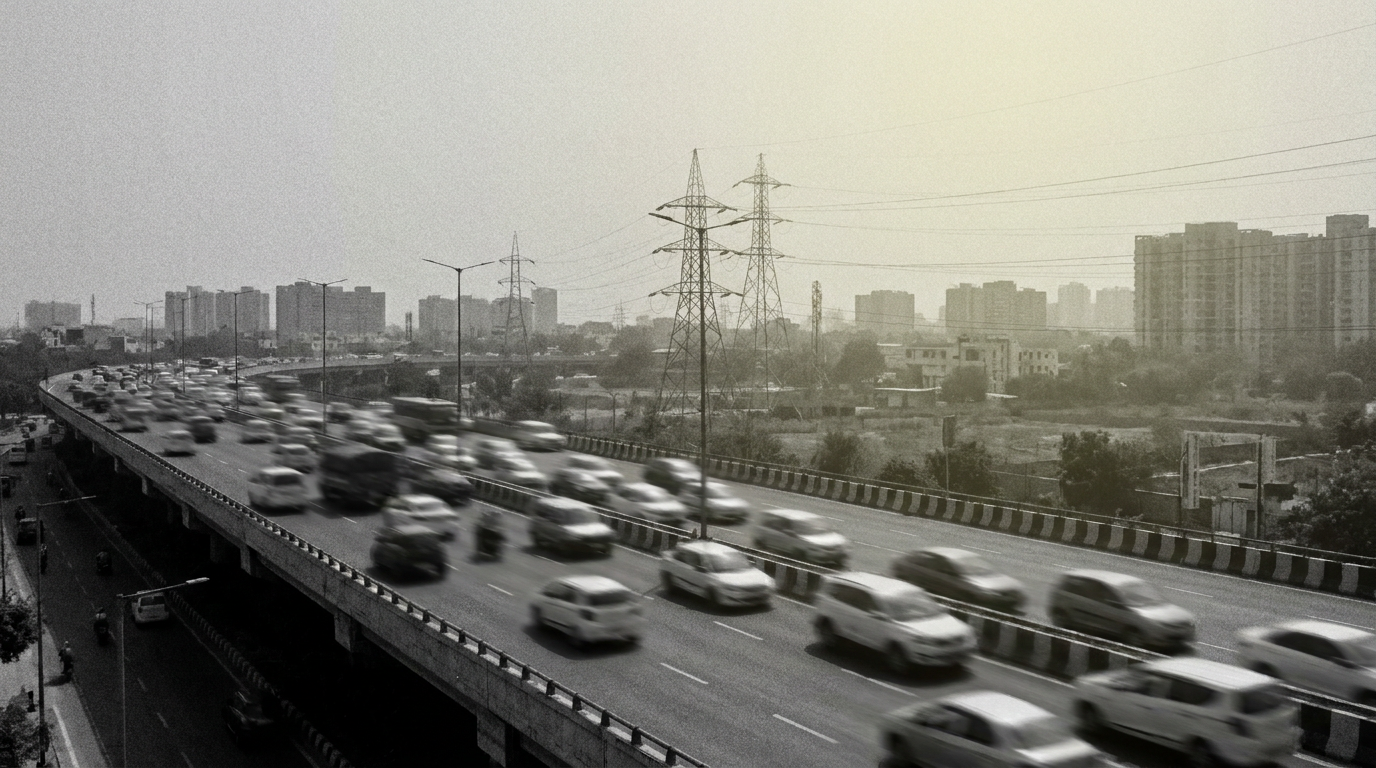
An intense heat wave is currently enveloping the Northeastern United States, bringing dangerously high temperatures that are challenging regional records and putting significant strain on the electricity grid. Many areas are experiencing a dangerous combination of heat and humidity, making outdoor conditions feel extreme.
Record Temperatures and Widespread Heat
New York City's Central Park is anticipated to reach 95°F (35°C) on Tuesday, with humidity levels potentially pushing the heat index close to 99°F. This intense heat is not isolated to the city, as numerous daily high-temperature records are expected to be challenged or broken across the broader region, stretching from New England down to North Carolina and westward into Ohio. Major cities like Philadelphia and Washington, D.C., are also bracing for extreme heat.
Officials from the U.S. Weather Prediction Center have indicated that Tuesday is likely to be the peak of this heat event for many. While Wednesday is also predicted to be very hot, a cooling trend is expected to begin by Thursday as a cold front moves through the area.
Power Grid Under Pressure
The surge in temperatures is directly escalating energy demand across the Eastern Seaboard as residents and businesses rely heavily on air conditioning. In response to the anticipated spike in electricity usage, PJM Interconnection LLC, which manages the power grid for a 13-state region in the eastern U.S., has issued an emergency load-management alert.
This alert signifies a critical need for all available power generation facilities to be operational to prevent potential blackouts. The widespread alert covers PJM's service area, which extends from the Mid-Atlantic coast through the Ohio Valley, highlighting the extensive nature of the demand surge.
Travel Disruptions Expected
The extreme heat poses a direct threat to transportation infrastructure, particularly rail services. High temperatures can cause metal rails to expand, potentially leading to speed restrictions for both commuter and Amtrak trains. This could result in significant delays for travelers attempting to navigate the region.
For New Yorkers, the heat wave adds to existing transit woes, as it might compound issues for Long Island Rail Road commuters. Although a tentative agreement has recently been reached between transit authorities and LIRR workers, which is expected to lead to the resumption of some services, potential delays due to extreme heat remain a concern.