North Korea consumption drive expands under Kim Jong Un
North Korea consumption is expanding through state-run malls, resorts and apps, giving Kim Jong Un new channels for revenue and control.
Mei Lin ·
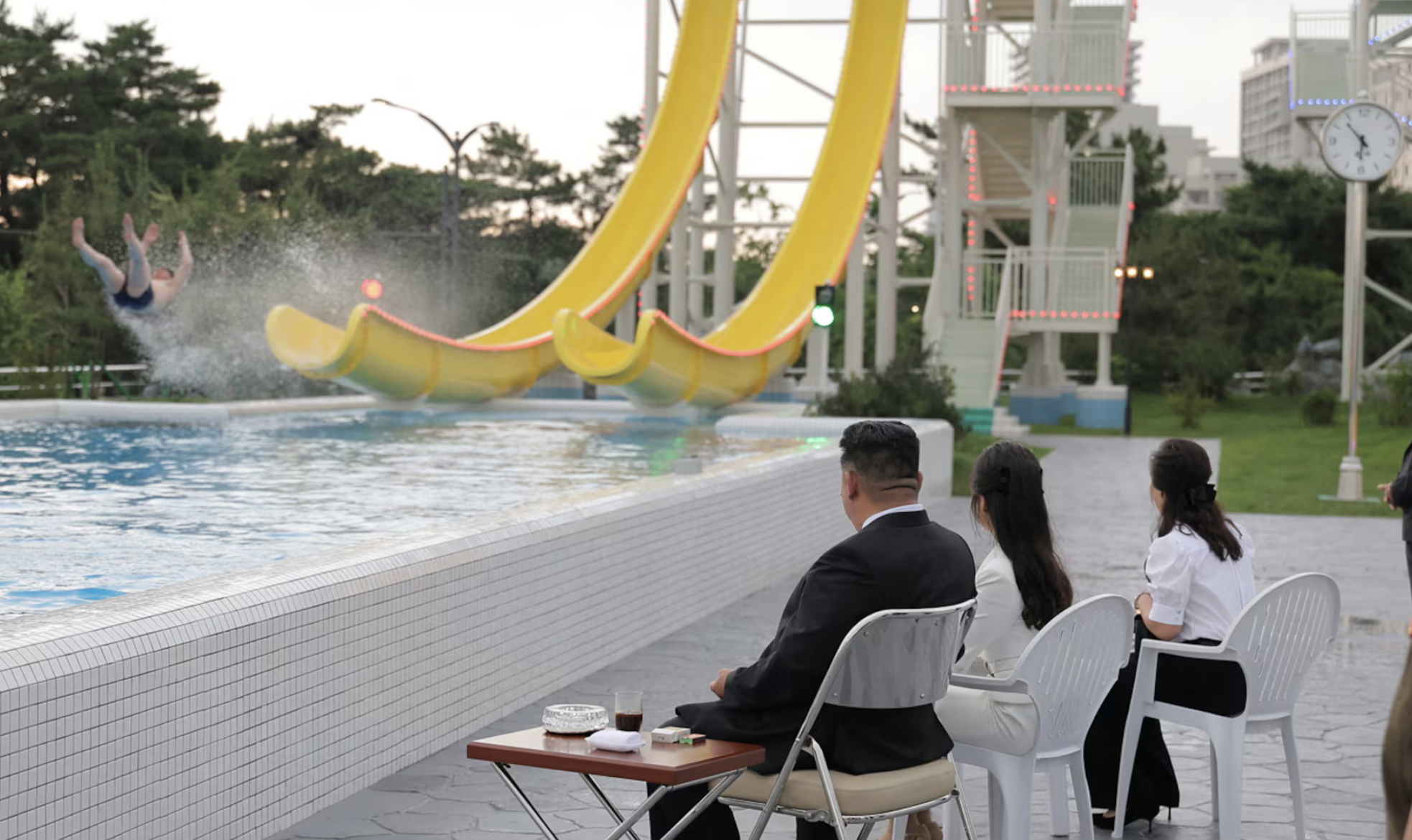
North Korea consumption is moving through state-run leisure sites, with massage-equipment imports up 40-fold as Kim Jong Un courts domestic spending.
Chinese customs data show treadmill shipments rose more than 600% over the past decade, alongside imports of pianos and amusement equipment. The figures sit alongside a broader state-backed buildout of malls, resorts and recreation venues in a country still under U.N. sanctions on luxury goods, energy and minerals trade.
Pyongyang malls absorb private cash
Analysts describe the campaign as an attempt to draw household money away from informal markets and into venues the state can supervise. Kang Seong-hyeon, a research fellow at the Hyundai Research Institute in Seoul, said the approach pulls "the production, distribution, and capital flows concentrated in the markets into an official economic space managed by the state."
The commercial shift follows a long recovery in private trade after the 1990s famine, when semi-legal markets grew as state distribution failed. Jung Chang-Hyun, director of the Peace Economy Research Institute in Seoul, said earlier efforts to close those markets faltered because the government lacked replacement retail infrastructure.
North Korea's economy grew 3.5% in 2025, marking a third straight year above 3%, according to the South Korean central bank. That expansion coincided with a rebound in trade with China after the COVID-19 border restrictions that had narrowed cross-border commerce.
Wonsan beach draws 300,000
State media mentions of tourism, leisure and cultural life have increased since 2022, based on a review of more than 1,200 articles. The projects include the Wonsan Kalma beach resort, launched in summer 2025, and five luxury hotels that opened in December in Samjiyon near the Chinese border.
China's embassy in Pyongyang said Wonsan Kalma received more than 300,000 domestic visitors in the second half of 2025. Rowan Beard, co-founder of Young Pioneer Tours, said a local contact who brought his family there found that several relatives had to share a twin room after other rooms were booked.
Other projects cited by state media include a ski resort under construction near Samjiyon, a waterpark and unfinished equestrian club in the northeast, and at least two dozen regional leisure complexes completed or underway. Those complexes combine libraries, restaurants and movie theaters under Kim's regional development plan.
Pyongyang has received the most visible retail additions. Ryugyong Golden Plaza, opened in 2023, displays watch and electronics branding, while the Rangnang Aeguk Kumgang Service Complex, opened in 2025, offers cafes, appliances and leisure facilities, according to visitor material and state accounts.
Some displayed brands have distanced themselves from the market. Omega and Herbelin said they have no official retailers or distributors in North Korea; Rolex and Huawei declined to comment.
Electronic payments tighten scrutiny
Mobile payments have spread through apps that resemble China's Alipay, according to images published by Beard and NKTechLab, an analysis project at the Stimson Center. Beard, who visited Pyongyang in May, said app payments were used "everywhere" and for "anything available for sale."
The legal infrastructure has moved in the same direction. In 2023, Pyongyang passed a law requiring every bank and store to accept electronic payments, giving official channels a clearer view of transactions that once sat in cash-heavy markets.
The spending campaign is not evenly shared. Yang Il-cheol, a former driver in Pyongyang who defected to South Korea last year, said people like him had limited access to the new restaurants and leisure sites, and many residents still preferred cash because they distrusted the government.
Researchers in Seoul have linked the funding backdrop to several revenue streams, including cryptocurrency theft allegations, mineral exports and North Korea's military support for Russia's war in Ukraine. The Institute for National Security Strategy estimated North Korea earned up to $14.4 billion from its role in the war from August 2023 through December 2025.
Ruediger Frank, a University of Vienna professor, described a middle class of roughly 8 million people with savings and limited ways to spend them. "Consumption buys time," he said. "It does not buy loyalty forever."
If state-run consumption keeps absorbing private savings, analysts say Pyongyang may face less pressure to pursue sanctions relief, including through new nuclear talks with President Trump. For the North Korean state, that path would keep revenue inside official retailers and resorts; for tourism and retail operators, it would favor venues linked to government distribution.
If external cash weakens or food prices rise, the mechanism changes: household money would move back toward essentials and informal markets. That would narrow the macro cushion, reduce traffic for malls and resorts, and make the pace of electronic-payment adoption the clearest test of Kim's control over consumption.