Greenland Ski Season Ends Early Amid Record Warmth
Greenland's ski season ended early in March 2026 due to record warmth and insufficient snow, highlighting rapid Arctic climate change.
Lauren Collins ·
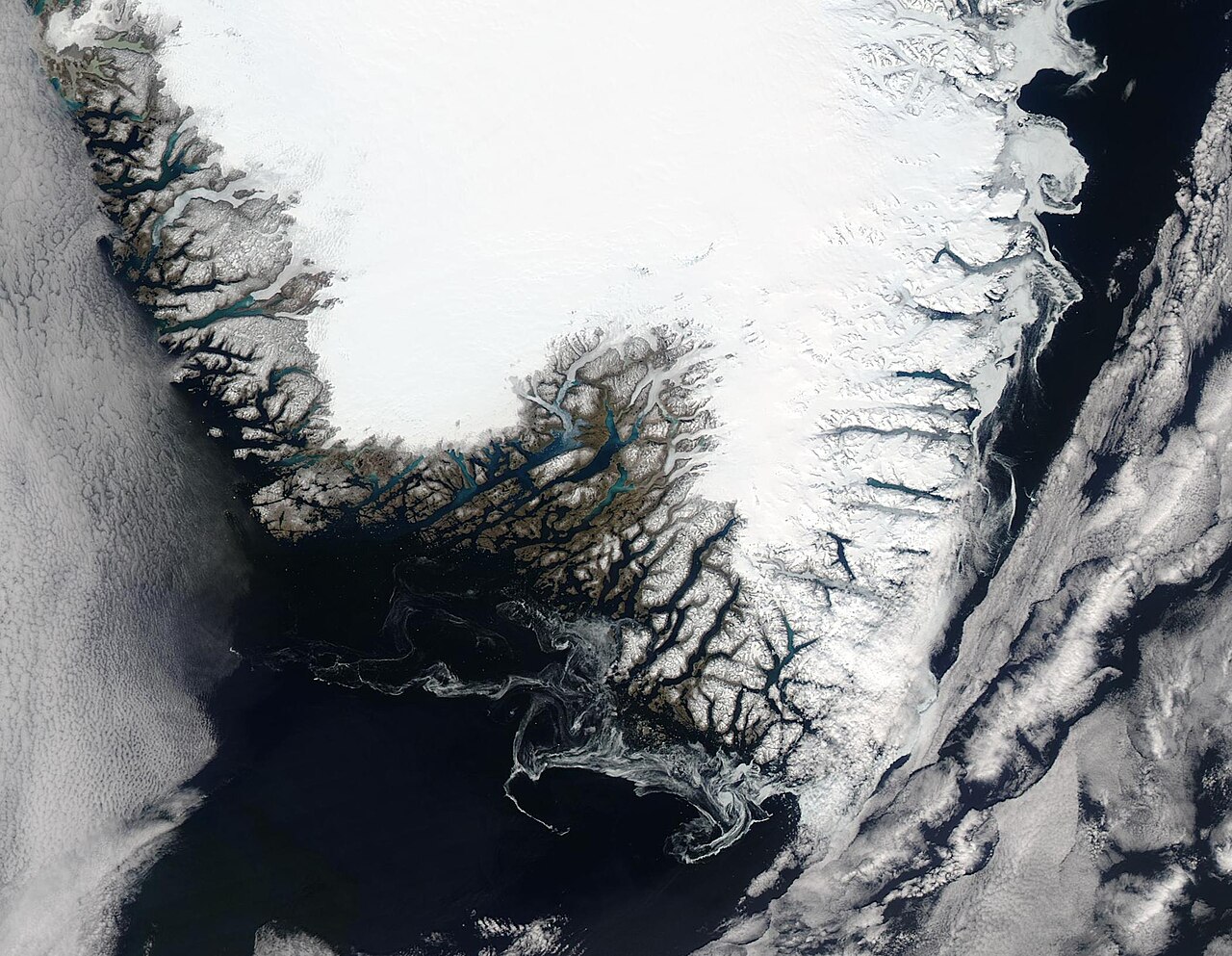
Greenland's ski season in Nuuk concluded prematurely in March 2026, a direct consequence of insufficient snowfall. This early closure followed the warmest January on record for the island's western coast, highlighting significant climatic shifts in the Arctic region.
The Danish Meteorological Institute (DMI) reported that Nuuk experienced an average temperature of 0.1 degrees Celsius (32.2 degrees Fahrenheit) in January. This figure represents a substantial increase of 7.8 degrees Celsius (14 degrees Fahrenheit) above the established January average from 1991 to 2020. A peak temperature of 11.3 degrees Celsius (52.3 degrees Fahrenheit) was also recorded in Nuuk during this period, further contributing to the lack of snow.
Climatic Factors and Arctic Warming
The DMI identified a jet stream diverting mild air towards Greenland as the immediate cause of the unusual warmth. However, the institute also emphasized that human-induced climate change is elevating baseline temperatures, exacerbating such events. The Arctic is currently experiencing warming at a rate three to four times faster than the global average, a phenomenon linked to diminishing snow and sea ice cover.
This accelerated warming trend has prompted local ski operators to explore alternative solutions, such as investing in artificial snowmaking equipment for future seasons. The consistent lack of natural snowfall poses an existential threat to winter sports industries in the region, necessitating adaptive strategies.
Broader Implications and Geopolitical Interest
The environmental changes in Greenland extend beyond recreational activities, carrying significant geopolitical and economic implications. Reduced snow and ice cover could potentially lengthen the operational period for Arctic sea routes, altering global shipping lanes and trade dynamics. Furthermore, increased access to strategic minerals, previously locked under ice, is anticipated over the coming decades.
This long-term environmental transformation is intensifying international interest in Greenland. Projections indicate a substantial reduction in polar sea ice within the next 20 to 40 years, which could reshape resource extraction, maritime transport, and strategic military considerations in the Arctic. The shifts underscore the interconnectedness of local climate phenomena with global economic and political landscapes.
Future Outlook and Adaptation
The ongoing warming trend necessitates a re-evaluation of infrastructure and economic activities across Greenland. While the immediate impact is felt by industries like tourism, the broader implications for resource management, international relations, and environmental conservation are profound. Stakeholders are increasingly focused on understanding and adapting to these rapid environmental changes.
Governments and international organizations are monitoring the Arctic's transformation closely, recognizing its potential to influence global climate patterns, sea levels, and geopolitical stability. The situation in Greenland serves as a critical indicator of the wider challenges and opportunities presented by a rapidly changing Arctic environment.
Implications
Country Impact: Greenland faces significant economic adjustments, particularly in its tourism sector, with ski operators considering artificial snow. The long-term impact includes potential shifts in resource extraction and increased international attention due to accessible strategic minerals.
Industry Impact: The winter sports industry in Greenland is directly affected by insufficient snowfall, prompting investments in adaptation technologies. Shipping and resource extraction industries may see new opportunities due to extended Arctic sea route usability and mineral access.
Market Impact: Global markets could experience shifts in shipping logistics and commodity supply chains as Arctic routes become more viable and strategic mineral access increases. Investment in Arctic infrastructure and resource exploration may rise, influencing related market sectors.