EU Explores Two-Tier Membership for Enlargement
The EU is exploring a two-tier membership structure to accelerate enlargement, potentially limiting new members' veto rights during a transition.
Lauren Collins ·
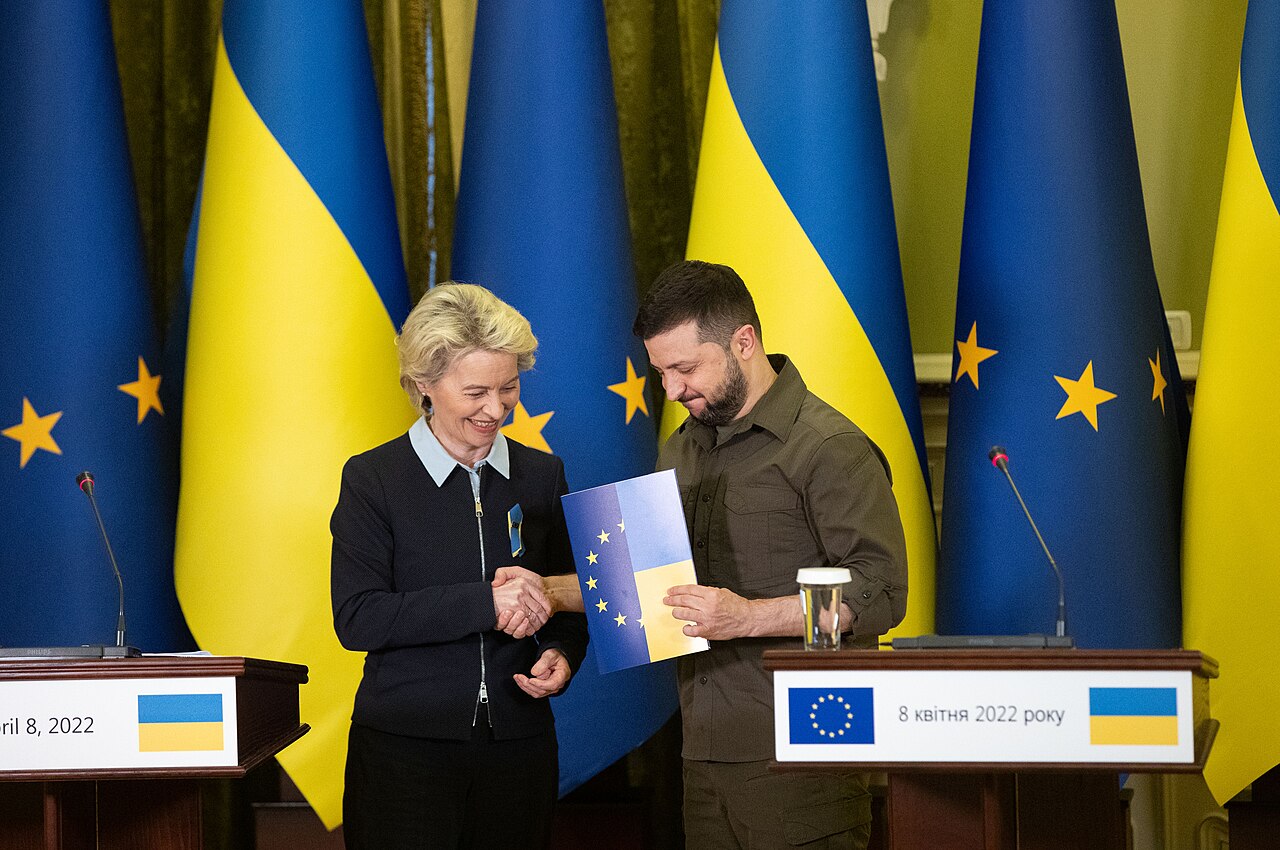
The European Union is evaluating a multi-tiered membership framework to streamline its enlargement process. This initiative, under discussion in Brussels, seeks to integrate new member states while potentially modifying their veto powers during an initial transitional phase. The objective is to mitigate issues such as decision-making gridlock and democratic backsliding, which have complicated EU expansion efforts since Croatia's accession in 2013.
Estonian Prime Minister Kaja Kallas recently articulated that an expedited enlargement serves as a strategic countermeasure against Russian influence, particularly in the wake of the 2022 invasion of Ukraine. This perspective underscores the security dimension driving current discussions around EU expansion.
Proposed Membership Framework
Historical precedents, such as the temporary restrictions on free movement for workers from the 2004 accession countries, are being considered. While those measures were time-limited and policy-specific, the current proposal suggests a potentially indefinite period for modified veto rights.
Accession Treaty Innovations
Montenegro and Albania, both NATO allies, are currently central to these accession discussions. Montenegro has set an internal target for EU membership by 2028, with Albania aiming for 2030. These nations are seen as key candidates due to their strategic alignment and absence of significant bilateral disputes with existing EU members.
Concerns and Criticisms
This debate highlights the tension between the geopolitical imperative for rapid enlargement and the institutional desire to preserve the integrity and functionality of the Union. The outcome of these discussions will significantly shape the future trajectory of EU expansion and its geopolitical standing.
Implications
Country Impact: Candidate countries, particularly in the Western Balkans and Eastern Europe, face uncertainty regarding the terms of future EU membership. Their reform efforts, especially in rule of law and governance, may be influenced by the perceived value of a potentially tiered accession.
Industry Impact: Industries in current EU member states and candidate countries could experience shifts in market access and regulatory alignment. The single market integration for new members, even with modified political rights, could open new trade and investment opportunities.
Market Impact: Global financial markets may react to the perceived stability or instability of the EU bloc. A more unified and expanded EU could be seen as a positive for regional economic integration, while internal divisions over membership tiers could introduce political risk premiums.