A.J. Brown did not admit to leaking Eagles stories in Maria Taylor interview
Reports that A.J. Brown admitted leaking Eagles stories to the media are false, based on a misinterpretation of his interview with Maria Taylor.
Mehmet Şahinoğlu ·
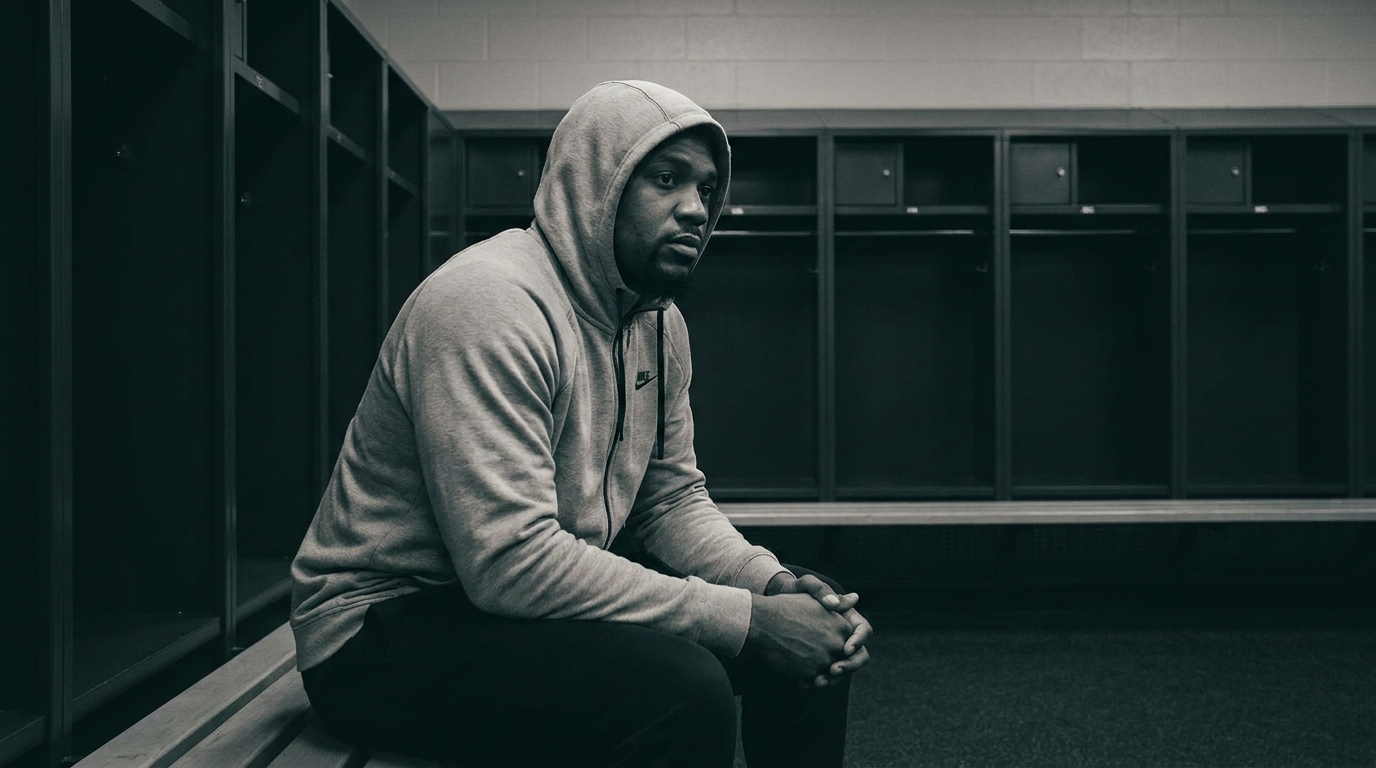
Philadelphia Eagles wide receiver A.J. Brown did not say he leaked stories to the media during his recent interview with Maria Taylor. Online posts that spread from Thursday through Saturday claimed he admitted orchestrating leaks to motivate the team. A review of the full segment shows no such statement. The narrative grew from reframed snippets that mischaracterized the exchange.
The available video contains no admission from Brown about feeding information to reporters. Instead, the discussion centers on how he is perceived and the criticism that can follow high-profile players. Assertions that he acknowledged planting stories are based on paraphrases and selective framing, not on words in the interview. Treating the claim as fact is not supported by the primary source.
The rumor appears to have developed after a portion of the interview in which Taylor asked Brown about being cast as a villain in Philadelphia. Some social accounts recast that conversation as evidence of media gamesmanship. Those words are not present in the segment, and nothing in the clip confirms that Brown seeded stories to influence team dynamics. The full interview remains the clearest record of what was said.
Full segment shows no admission of leaks
Close viewing of the broadcast shows Brown responding to questions about perception rather than admitting to any strategy of leaking. He spoke broadly about narratives around him and how they are received. There is no line in which he endorses or describes planting information to motivate teammates. Claims to the contrary rely on inference rather than quotation.
Neither Brown nor the Eagles have signaled that such a tactic was used, and there is no independent verification to support the allegation. In the absence of direct evidence in the interview or elsewhere, the claim remains unsubstantiated. Viewers who watch the full segment will not find language that matches the online framing.
How clipped context fueled the claim
The speed and reach of the posts illustrate how edited clips and shorthand can distort meaning, especially during the NFL offseason when speculation travels quickly. Repetition across multiple accounts and comment threads can create an impression of confirmation that the primary source does not bear out. The case underscores why full-context viewing is essential before drawing conclusions from isolated excerpts.
In the relevant portion of the broadcast, Brown addresses image and response — how a player processes outside noise and the narratives built around him. His comments fit that theme. They are about perception and criticism, not about engineering coverage through planted stories. There is no moment in which he says, or reasonably implies, that he intentionally fed information to the press about the Eagles.
Why this matters for fans and media
Mischaracterized clips can harden into talking points that shape debates on faulty premises. For a high-profile player, false attributions create unnecessary controversy and distract from football matters. They can also pressure athletes to issue clarifications once narratives gain traction online. Accurate assessments should rely on complete segments or transcripts rather than clipped or paraphrased versions circulating on social platforms.
Discussion around the interview may continue, but the full exchange is the best guide to what was said. Any future assessment should be anchored in the complete record, not in selectively edited snippets.