Real Madrid Leads CNBC 2026 Club Rankings at $7.5 Billion; Inter Miami Reaches Top 15
European giants dominate the upper tier while MLS franchise values continue to climb.
Mehmet Şahinoğlu ·
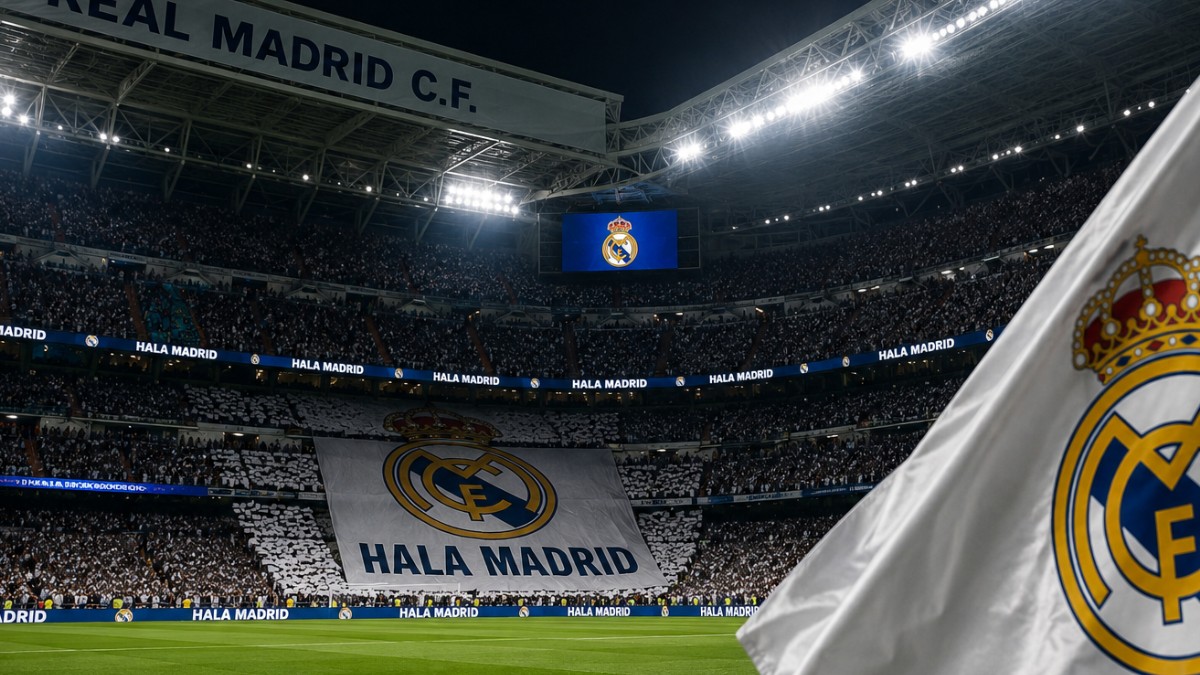
Real Madrid has retained its position at the top of CNBC’s 2026 soccer valuations, with an estimated worth of $7.5 billion, reinforcing the Spanish club’s status as the most valuable franchise in world football. Barcelona followed in second place at $6.4 billion, while Manchester United ranked third at $6.3 billion despite slipping one position from the previous year. The rankings underline how Europe’s largest clubs continue to command enormous commercial power through broadcasting, sponsorships, global fan bases and matchday revenue.
Ten European Clubs at the Summit
The upper tier of the rankings remains firmly controlled by Europe. Six Premier League teams placed inside the top 10, led by Manchester United and followed by Liverpool, Manchester City, Arsenal, Tottenham Hotspur and Chelsea. Bayern Munich and Paris Saint-Germain completed the top group alongside Spain’s two giants. The concentration of wealth reflects the financial advantages enjoyed by clubs competing in Europe’s biggest domestic leagues and continental tournaments.
Arsenal’s Jump Stands Out
Among the highest-ranked clubs, Arsenal recorded the strongest annual increase in value. CNBC reported that the London club’s valuation rose 20% from the previous year, the largest gain among the top 10 teams. By contrast, Tottenham and Chelsea each registered declines of 4%, showing that club values do not always move in tandem even within the same market. Those shifts highlight how on-field performance, commercial growth and investor expectations can influence franchise valuations from year to year.
Messi’s Miami Effect
The most significant story outside Europe came from Major League Soccer. Inter Miami reached No. 14 globally with a valuation of $1.6 billion, making it the highest-ranked MLS club. The team’s rise has been closely tied to the arrival of Lionel Messi, whose presence has boosted ticket demand, sponsorship opportunities and worldwide attention. CNBC senior sports reporter Michael Ozanian said the club is expected to generate unprecedented revenue for an MLS organization, helped by both a new stadium project and the commercial impact of the Argentine star.
Seven MLS Clubs Enter the Top 30
Inter Miami was not the only American club to make the rankings. New York City FC followed closely at No. 15 with a valuation of $1.55 billion. Los Angeles FC ranked 18th at $1.3 billion, while the LA Galaxy placed 19th at $1.2 billion. Atlanta United reached No. 23 at $1 billion, Austin FC came in at No. 24 with a valuation of $910 million, and the Columbus Crew ranked No. 26 at $900 million. Together, the seven MLS clubs represent the league’s strongest showing in CNBC’s global valuation list and demonstrate growing investor confidence in North American soccer.
World Cup Tailwinds and League Economics
The rise of MLS valuations comes as soccer’s profile continues to expand in the United States. The country is preparing to co-host the 2026 FIFA World Cup alongside Canada and Mexico, a tournament expected to bring unprecedented attention to the sport across North America. MLS also benefits from a league structure that differs from European football. Ozanian noted that player acquisition costs are handled differently than in many European systems, helping club owners manage expenses while still attracting marquee talent. That framework has allowed franchise values to climb even though most MLS clubs generate substantially less revenue than Europe’s elite teams.
Revenue Gaps Still Define the Landscape
Despite the progress made by MLS, a significant financial divide remains between North American clubs and Europe’s biggest brands. Real Madrid’s valuation is more than four times that of Inter Miami, and the top European teams continue to dominate global revenue generation. Future growth for MLS will depend on sustaining fan interest, expanding commercial partnerships and converting major events such as the World Cup into long-term business gains. There is also uncertainty surrounding whether current valuation growth can continue once the initial boost from global stars and major infrastructure investments begins to normalize. For now, however, CNBC’s rankings suggest that MLS has established itself as a meaningful player in the global soccer economy even as Europe remains the industry’s financial benchmark.