Netanyahu defends Iran strikes as Hormuz crisis deepens
Israel's prime minister rejected genocide accusations at the UN and tied the Iran campaign to a wider security fight.
Mateo Fernandez ·
Israeli Prime Minister Benjamin Netanyahu defended Israel's bombing of Iran at the UN General Assembly on Thursday, saying the action prevented a direct threat to Israel as the conflict strains global energy supply. Reaction pending.
Netanyahu also rejected accusations that Israel is carrying out genocide in Gaza, calling the charge "the greatest lie of the century." Delegates from dozens of countries walked out as he approached the podium, after which Netanyahu called them "Cowards," while supporters shouted in Hebrew.
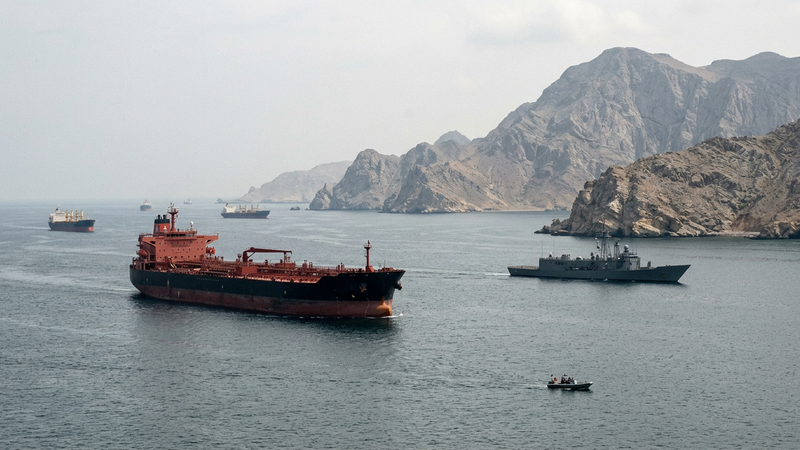
Hormuz blockage widens energy risk
Netanyahu said Israel and the US acted together against Iran and described President Trump as Israel's strongest partner in the campaign. The strikes were reported to have hit several targets in Iran and killed Supreme Leader Ali Khameini and other leaders.
Iran later blocked the Strait of Hormuz, according to the account, choking off 20% of petroleum and gas supplies that pass through the route compared with normal flows. The US and its allies have not brought the conflict to an end, leaving energy importers exposed to supply disruption and price pressure if the blockage holds.
Netanyahu framed Israel as fighting on seven fronts: Hamas, Hezbollah, the Houthis, Iran, militias in Iraq, militias in Syria and Palestinian militants in the West Bank. He said Israel "rose and fought like lions" after the October 2023 Hamas attack, while Palestinian President Mahmoud Abbas accused Israel of a "genocidal war" in Gaza.
The next test is whether diplomatic efforts produce a Strait of Hormuz reopening plan by October 2, 2026; if they do not, the geopolitical risk will remain centered on energy flows, Israel's war capacity and regional shipping insurance.