Nestle India faces legal cases over baby food tests by FSSAI
Nestle India faces three FSSAI cases after a baby food sample failed biotin rules and two products drew misleading-label claims.
Atlas Newsdesk ·
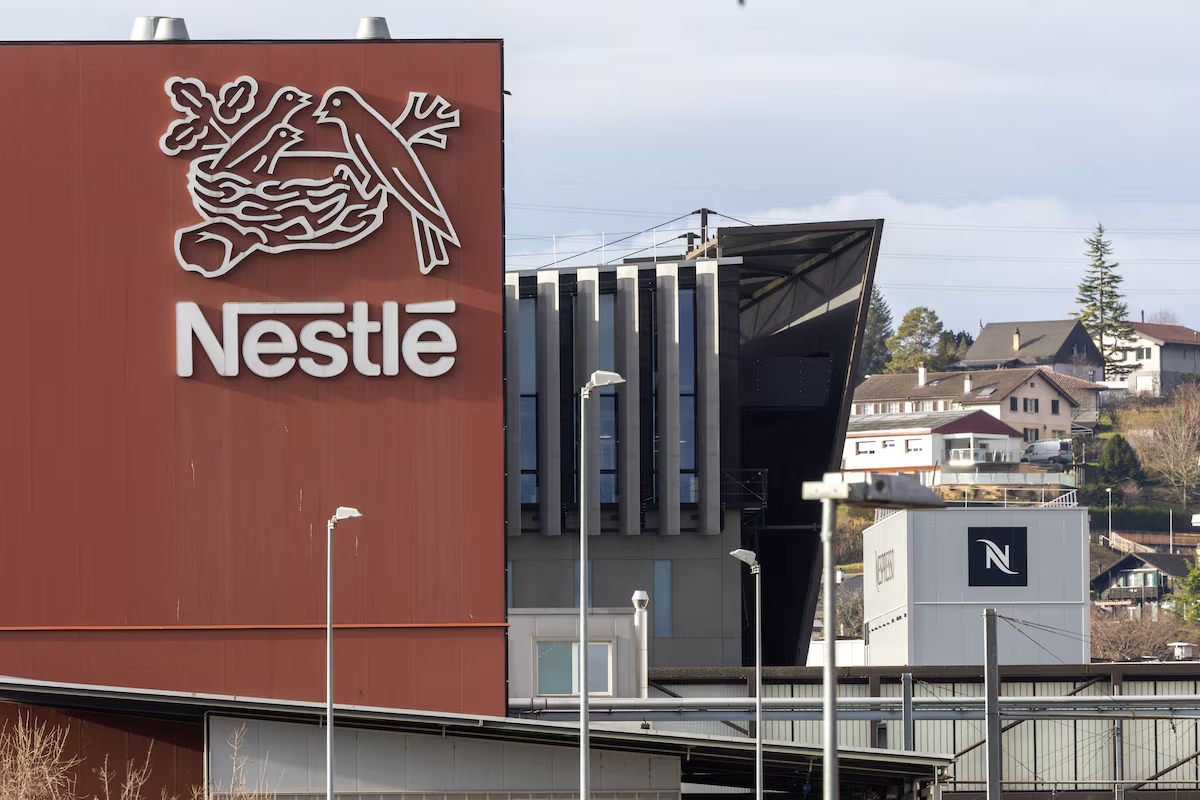
Nestle India faces three FSSAI cases after a baby food sample failed biotin rules, adding pressure in a $100 billion food market.
The Food Safety and Standards Authority of India said on Friday that a sample of Nestle follow-up formula, a milk product for infants, did not conform to the biotin requirements set under Indian law. The regulator said a re-analysis produced the finding, but it did not say whether it would order a recall.
Biotin test drives action
Biotin, also known as vitamin B7, is covered by standardized reference ranges for baby food in India. The regulator described the Nestle sample as substandard on that measure, making the legal action a product-compliance case rather than only a labeling dispute.
Nestle said its products are "fully compliant with all the applicable regulations" and said it would keep working with the regulator. The company did not specifically address the regulator's finding on the follow-up formula sample in the statement cited in the source material.
The FSSAI also said it had filed cases over two other Nestle baby food products, NAN Excella Pro Stage 1 and Lactogen Pro 1. Those cases relate to claims on labels that the regulator said breached rules against misleading statements.
Two labels face review
Nestle India said it had again submitted a detailed response to the authorities on the label statements. The company said those statements were factual, supported by scientific literature and had been approved by an expert committee of the FSSAI.
The dispute matters for Nestle because India is one of the Swiss group's key growth markets. Milk and nutrition products, including infant formulas and baby foods, were Nestle India's largest product category in the year ended March 2026, accounting for about one-third of product sales worth $2.4 billion.
The case also lands during wider enforcement activity across India's food sector. The industry is valued at about $100 billion, and the regulator's recent actions have included product testing and surprise factory inspections, according to the source material.
Maggi history shadows case
Nestle has faced Indian food-safety enforcement before. In 2015, regulators banned Maggi noodles over alleged excess lead levels and labeling lapses, prompting a recall before the product later returned to shelves after fresh tests.
The earlier Maggi episode remains relevant because it showed how a regulatory order can move from a technical finding to a sales and reputation problem. In the current baby food cases, the open issue is whether the FSSAI confines the matter to adjudication or seeks product-specific action.
Food labeling has become a contested policy area in India. The source material said debate intensified after the government chose a weaker labeling regime following lobbying by Coca-Cola and groups backing Nestle and PepsiCo, which argued that warning labels were ineffective.
Recall question remains open
If the FSSAI does not order a recall and the cases remain within adjudication, the direct macro effect is likely to be limited to regulatory compliance costs in India's food market. For Nestle India, that path would focus the risk on legal outcomes, label wording and confidence in its nutrition category.
If the regulator seeks a recall or imposes penalties, the effect would run through a different channel: lost shelf availability, higher testing costs and more scrutiny of infant nutrition products. For the wider industry, that would give rivals and multinational food groups a clearer signal that India is willing to test both product composition and label claims.
A third path depends on policy rather than one company. If India tightens labeling rules after the current disputes, global food makers would face higher compliance demands in a market where nutrition and packaged foods remain central to growth plans; if rules stay unchanged, enforcement will rest more heavily on product testing and case-by-case action.