Nepal Seeks $20 Million Climate Fund After Catastrophic Floods
Nepal has requested $20 million in UN climate compensation after catastrophic floods, citing the need for major economies to address the disproportionate…
Lauren Collins ·
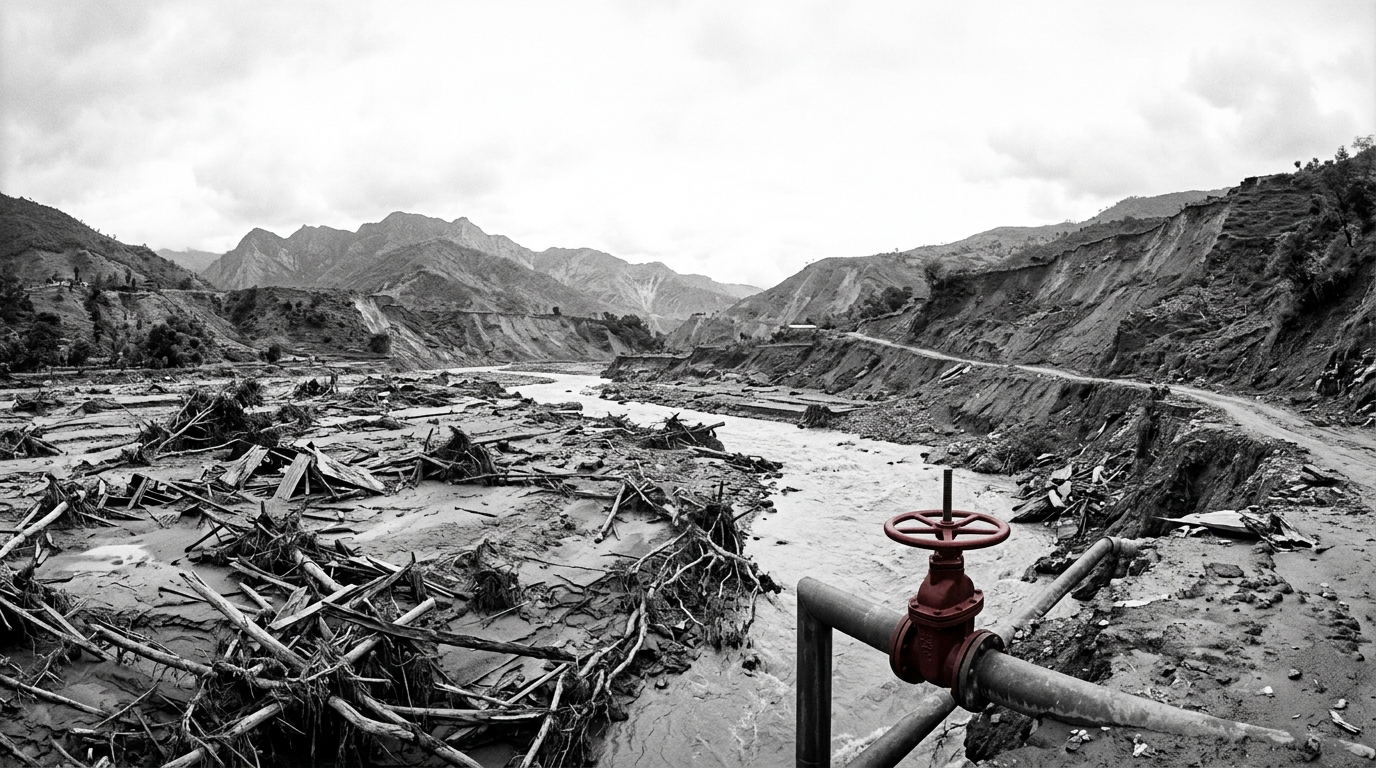
Nepal formally requested $20 million from the United Nations’ Loss and Damage Fund following a glacial collapse that triggered severe flash flooding and landslides. The disaster, which officials attribute to accelerated Himalayan warming, resulted in more than 1,300 confirmed fatalities and over 5,500 individuals reported missing.
The government characterized the event as a direct consequence of the Himalayas warming at a rate 50% higher than the global average. This request for immediate recovery funds highlights a significant financing gap within the UN’s climate mechanism, which holds $400 million in contributions against $2.8 billion in requests.
Economic Damage Exceeds $5 Billion While the $20 million is earmarked for immediate While the $20 million is earmarked for immediate relief, estimated total economic damages from the disaster exceed $5 billion. Nepal’s administration emphasized that the country, contributing less than 0.1% of global greenhouse gas emissions, faces recurring risks from such events and requires long-term investment in climate mitigation. The foreign minister told the Guardian that the magnitude of damage rivals the 2015 earthquake that devastated parts of the country. This formal request is also a diplomatic effort to urge major economies to accept shared responsibility for climate-induced disasters affecting vulnerable nations. Challenges in Fund Disbursement
United Nations
The request underscores political challenges regarding the disbursement of climate funds, given the current shortfall in international commitments. Nepal is advocating for a more robust international mechanism to support economies disproportionately impacted by climate change.
The open question remains whether the requested funds can be effectively disbursed given the current funding constraints and the increasing frequency of climate-related disasters globally.