NFL owners award Nashville Super Bowl LXIV hosting for 2030
NFL owners have selected Nashville, Tennessee, to host Super Bowl LXIV in 2030, contingent on its new stadium and infrastructure.
Mehmet Şahinoğlu ·
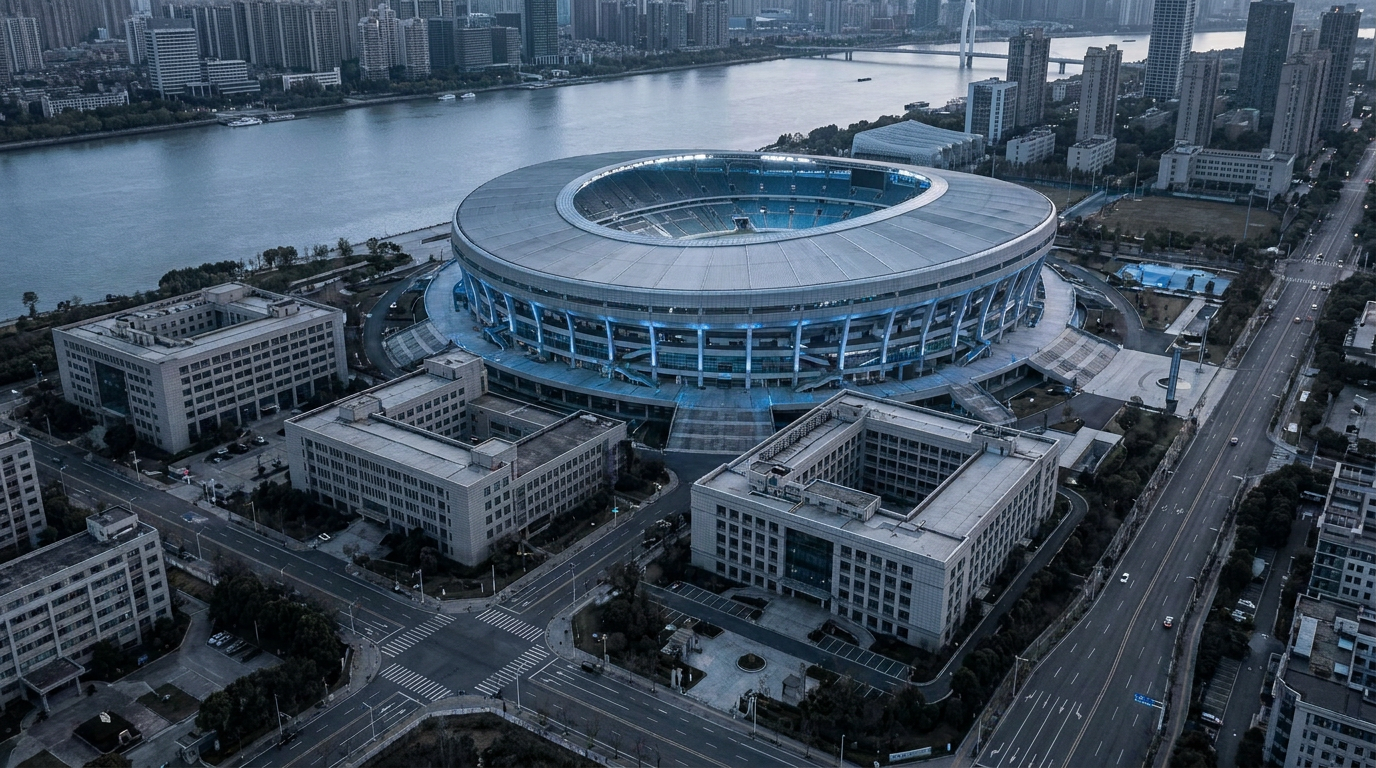
NFL owners voted on Tuesday to award Nashville, Tennessee, the hosting rights for Super Bowl LXIV, scheduled for 2030. The decision follows the city’s ongoing construction of a new stadium and reflects the league’s practice of steering its championship game to markets with modern venues and sufficient infrastructure.
Host selection also weighs hotel capacity and the ability to stage a week-long slate of events beyond the game itself. The 2030 event will serve as a major test of Nashville’s large-scale event operations.
The league has often aligned Super Bowl awards with public investment in new or substantially renovated stadiums. Cities that clear key benchmarks on venue quality, transportation, security planning and visitor capacity tend to receive strong consideration. While cold‑weather markets are eligible, a domed or enclosed stadium is typically expected to ensure a predictable game‑day environment and fan experience.
Nashville’s bid benefited from the ongoing stadium project and the city’s growing profile as a destination for major entertainment and sports events. Officials emphasize that the Super Bowl is more than a single game; it is a multi-day festival that stresses hotels, dining, transit and public services. Meeting those standards helps determine whether a city can join the league’s loose rotation of recurring hosts.
Historical precedent also shapes expectations. Weather and logistics during a Super Bowl week can influence how quickly the event returns to a market. A notable example came in early 2000, when an ice storm during Super Bowl XXXIV in Atlanta contributed to a lengthy gap before the league returned there. Nashville’s ability to manage any weather variability will factor into how it is viewed for future bids.
Stadium project and host requirements
New venue and infrastructure benchmarks
The new Nashville stadium under construction is central to the 2030 award. Around the league, recent Super Bowl hosts have typically showcased upgraded facilities that meet modern demands for seating, hospitality, technology and broadcast operations. For the city, the focus now shifts to demonstrating that visitor capacity—especially hotel rooms—can absorb the influx associated with Super Bowl week.
Transportation planning, security coordination and event‑week logistics will be critical. League evaluators look for smooth airport throughput, reliable local transit or rideshare capacity, and clearly defined traffic and safety plans. Nashville’s preparation across those areas will be measured not only by game‑day execution but by how seamlessly thousands of visiting fans, media and partners move through the city throughout the week.
Rotation outlook and weather considerations
Performance in 2030 will shape future bids
The NFL maintains a loose rotation of cities that have delivered strong Super Bowl experiences across venue quality, logistics and fan engagement. Nashville’s showing in 2030 will influence whether it earns a place in that group. A successful week—on and off the field—would strengthen the city’s case for future consideration once the new stadium has a full run of major events.
Weather remains a practical factor for non-warm‑weather markets. While the league has demonstrated flexibility for cold‑weather hosts with enclosed venues, conditions during Super Bowl week still affect perceptions. The Atlanta experience two decades ago is a reminder that disruptions can ripple across every aspect of the event. Nashville’s preparedness, including contingency planning, will be closely watched.
Organizers are now expected to advance venue and citywide planning timelines with the 2030 date set. The NFL will monitor stadium progress and operational readiness in the years ahead, with Nashville’s Super Bowl performance likely to define its long‑term standing as a host city.