Shams Charania reports 2025–26 MVP before Prime Video reveal, stirs debate
An report on the 2025-26 NBA MVP winner before the official announcement sparked media discussion on reporting practices.
Mehmet Şahinoğlu ·
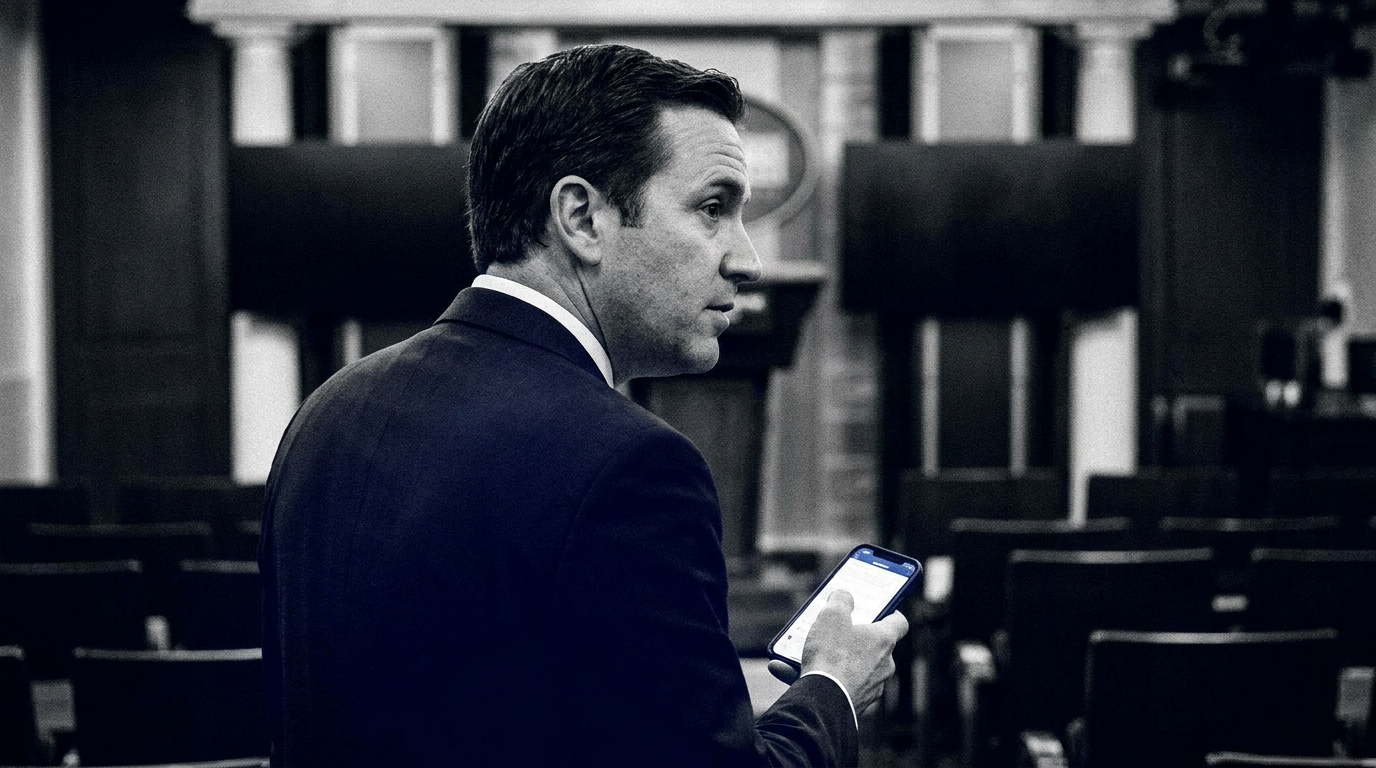
NBA reporter Shams Charania reported shortly before Prime Video’s planned on-air reveal that Oklahoma City Thunder guard Shai Gilgeous-Alexander would be named the 2025–26 NBA Most Valuable Player. The report hit social platforms moments ahead of the broadcast announcement and spread quickly. The timing put real-time reporting in direct tension with a rights holder’s staged reveal.
During the broadcast, host Blake Griffin met the moment with a light touch, joking that Charania should “go to brunch,” punctuating the aside by calling him a “nerd.” The levity acknowledged the awkwardness for a segment calibrated to deliver a surprise many viewers had already seen reported. The reveal proceeded as scheduled, but the studio discussion shifted toward confirmation, analysis and reaction rather than discovery.
The episode revived a familiar industry debate over whether breaking verified news ahead of a made-for-TV reveal serves the audience or undermines the value of a program built around suspense. It also highlighted the practical reality of today’s sports media ecosystem: once credible information surfaces, it circulates instantly and can reshape the payoff for rights-backed shows that depend on timing.
Producers had built the segment around a controlled arc — teases, build-up, and the crest of a single-name reveal — to drive engagement and sponsor value at the peak moment. Once the likely outcome was widely known, the emphasis narrowed to context and reaction, a common dynamic when real-time reporting runs ahead of programmed unveilings.
Prime Video’s reveal versus real-time reporting
Leagues and media partners often coordinate announcement windows to balance news value with presentation. When information surfaces early, the planned arc can lose impact, affecting audience engagement and sponsor placements tied to that peak. For rights-aligned partners, that erosion is a tangible cost to carefully produced programming.
From a reporting standpoint, however, a confirmed award result is newsworthy the moment it can be verified. Reporters routinely weigh competitive pressure, sourcing standards, and any explicit embargo terms. In the absence of a formal embargo, publishing before a show’s timetable is typically treated as legitimate news-gathering even if it complicates a broadcast’s pacing.
How MVP leaks differ from draft pick tipping
Commentators often distinguish an awards reveal from live drafts. The NFL Draft’s selection-by-selection format relies on minute-to-minute suspense; advance tips can directly erode the core viewing experience. An MVP announcement is a single outcome within a studio segment, so a verified pre-announcement may have a different — and often lesser — effect on anticipation.
That distinction does not eliminate friction. For some fans, a reliable scoop satisfies immediate curiosity without discouraging them from watching reaction and analysis. For broadcasters, it can blunt the payoff of a segment engineered to climax with a name, renewing questions about how to protect timing and value for rights-backed shows in an era of instant alerts.
What stakeholders may change next
Looking ahead, leagues and broadcasters may revisit timing, access and communication protocols for award announcements to safeguard planned programming and sponsor commitments. Reporters, meanwhile, are likely to continue balancing speed and verification against any formal embargoes as they compete to deliver confirmed information first.