Arlington Heights flags hazards near proposed Bears stadium site in Hammond
Arlington Heights highlights hazardous waste near a proposed Chicago Bears stadium site in Hammond, Indiana, as both cities vie for the team.
Mehmet Şahinoğlu ·
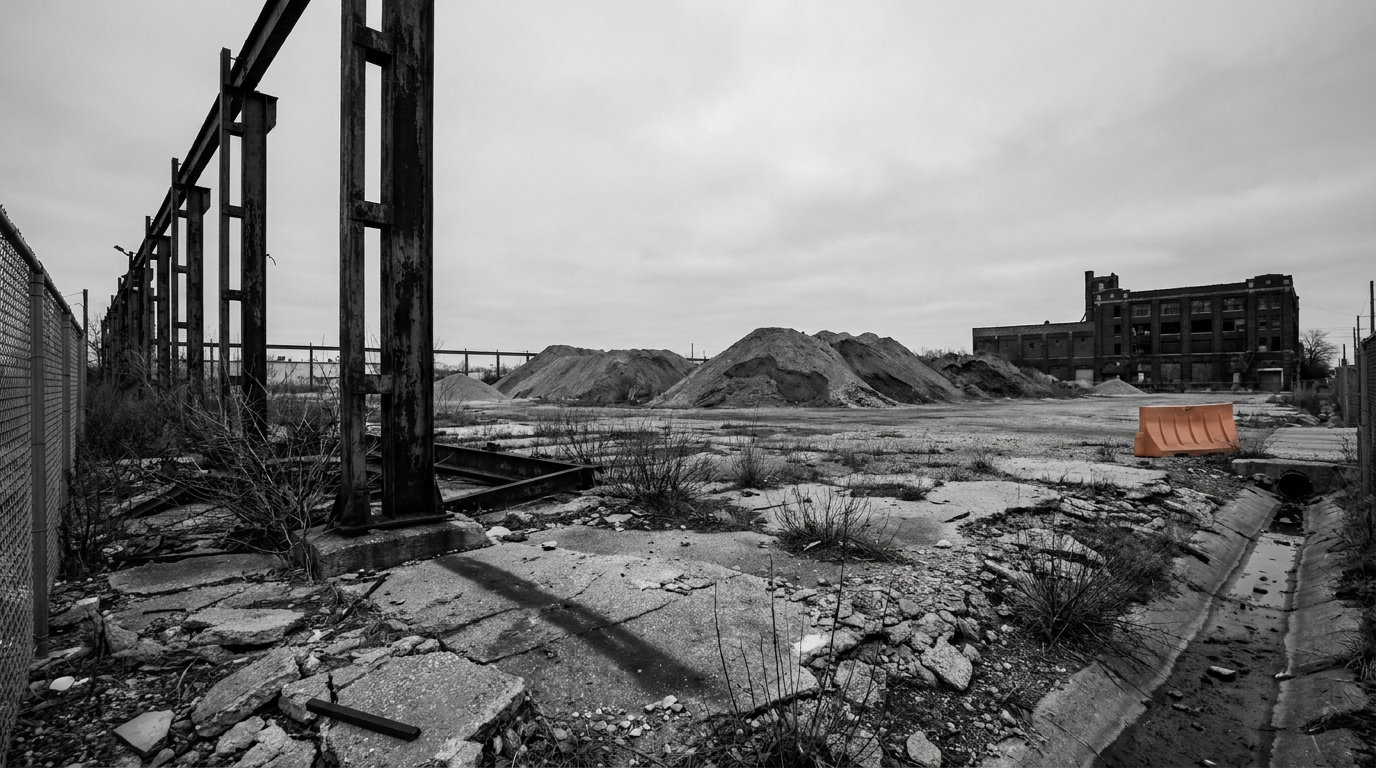
Arlington Heights officials have raised environmental concerns about a proposed Chicago Bears stadium site in Hammond, Indiana, as the NFL franchise narrows options for its next home. Mayor Jim Tinaglia said the industrial surroundings at the Hammond property could pose contamination risks and urged caution while the team finalizes its choice. The discussion comes as competing municipalities seek to host the Bears’ long-term venue.
Tinaglia, an architect by training, pointed to nearby heavy-industry uses, noting the area includes slag, treated human waste, hazardous waste sites, an oil tank storage complex and the Midwest’s largest oil refinery. “I would throw up the red caution flags immediately,” Tinaglia said, adding that past experience with sites hosting fuel or chemical operations often reveals soil or groundwater issues.
Hammond Mayor Thomas McDermott Jr. said the Bears are well aware of the surrounding facilities and have already commissioned extensive reviews. He said the club is spending millions of dollars on due diligence to evaluate the location’s safety and suitability, emphasizing that environmental factors are central to the team’s analysis.
Environmental risk debate around Hammond site
Refinery, slag and waste facilities
Arlington Heights’ assessment focuses on the cluster of industrial activity near the proposed stadium footprint, including waste-handling sites and large-scale petroleum infrastructure. Such settings can require deeper environmental study before major construction. Officials said the goal is to ensure any decision accounts for potential remediation work and long-term public safety.
Contamination concerns from past uses
Tinaglia said sites with legacies of fuel storage, cleaners or other hazardous materials routinely demand careful testing. He argued that even when contamination can be mitigated, the process can add complexity, cost and time to stadium builds. The remarks were framed as a caution rather than a formal finding, with the final determination expected to follow technical studies commissioned by the team.
Bears’ due diligence and decision timeline
Team’s evaluation and cost considerations
McDermott said the Bears have engaged specialists to assess risks and outline mitigation steps if needed. He added that the organization’s spending indicates the breadth of the review, and that conclusions should flow from expert analysis. While no final budget has been disclosed, environmental reviews and any remediation typically influence overall cost, design and construction sequencing.
League meeting agenda and next steps
Proposals for the Bears’ next stadium are on the agenda for this week’s league meeting, and the club has signaled it will choose a site soon. Environmental issues are one factor alongside financing, transportation access and broader development plans. A thorough due-diligence record could shape the timeline for approvals and ground-breaking, whichever site is selected.
All eyes now turn to the team’s decision and any public release of study findings. Formal documentation of environmental reviews would clarify next steps and how they affect schedule and cost.