NASA opens new flight dynamics facility in Virginia
NASA opens a new flight dynamics facility at Langley in Virginia, its first major wind tunnel build in 40+ years, for aeronautics and space tests.
Atlas Newsdesk ·
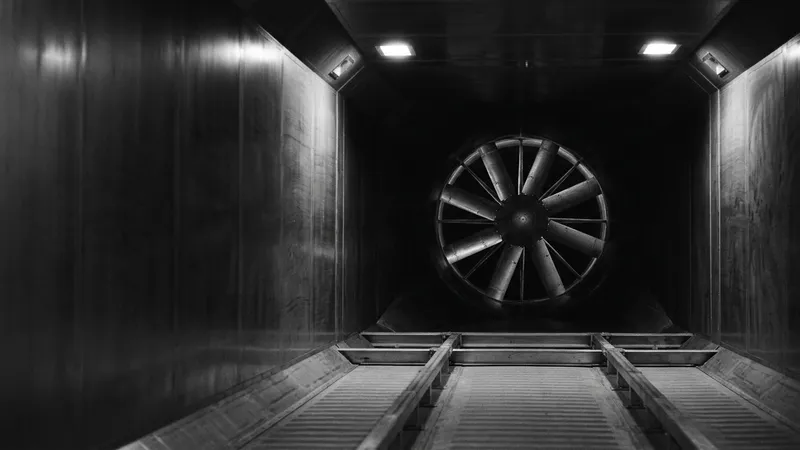
NASA has commissioned the new Flight Dynamics Research Facility at Langley Research Center in Virginia, unveiling what the agency described as its first major wind tunnel construction in more than 40 years. Officials said the site is intended to modernize critical testing infrastructure used to reduce technical risk in both aeronautics research and space exploration programs.
The agency said the new building brings together capabilities previously housed in two wind tunnels that have been decommissioned. NASA described the consolidated setup as a modernized and more energy-efficient structure designed to support a wide range of experimental work.
Wind tunnel capability and what it is built to test According to NASA, the facility includes a test chamber with a 20-foot diameter. Officials said the tunnel can reach airspeeds of 117 miles per hour, enabling controlled testing conditions for flight dynamics research.
NASA said the infrastructure is designed to support both free-flight and mounted test configurations for scale models. The agency listed the expected test articles as including aircraft, drones, and spacecraft reentry capsules, reflecting a mix of civil aviation and spaceflight development needs.
Officials said the facility’s purpose is not limited to one vehicle type, but to the measurement and validation of stability and performance under simulated conditions. NASA described the work as supporting the evaluation of vehicle behavior before it is committed to higher-risk demonstrations.
Role in future programs, including lunar missions and autonomy NASA said the Flight Dynamics Research Facility is intended to help mitigate mission risk for future initiatives, including lunar exploration and autonomous vehicle development. Officials highlighted the need for advanced simulation to better understand how designs respond to complex aerodynamic and flight-control conditions.
The agency said the new site provides simulation capability for entry, descent, and landing. NASA described this as a critical area for validating stability and performance, particularly for vehicles that must transition through multiple regimes where small design changes can affect controllability.
Officials did not detail a specific testing schedule or which programs will be first to use the tunnel, leaving timelines and initial workloads unclear. NASA has also not stated, in the information provided, how capacity will be allocated across aeronautics and space exploration demands.
Partnership and campus modernization context
NASA said the facility was developed in partnership with the U.S. General Services Administration. The agency positioned the project as part of a broader effort to update federal research infrastructure while improving operating efficiency.
NASA said this wind tunnel project represents the fourth completed phase of a 20-year campus revitalization plan at Langley. Officials said the long-term objective of that plan is to reduce maintenance costs while replacing or modernizing aging facilities that support federal research work.
In practical terms, the opening adds a consolidated testing asset that NASA says is designed to be both modern and energy efficient, while also marking a rare new-build wind tunnel milestone for the agency after a gap of more than four decades.