Myanmar's Rare Earth Output Sustains Global Supply
Myanmar remains a significant global supplier of rare earth minerals, contributing nearly half of heavy rare earth production despite internal conflicts.
Lauren Collins ·
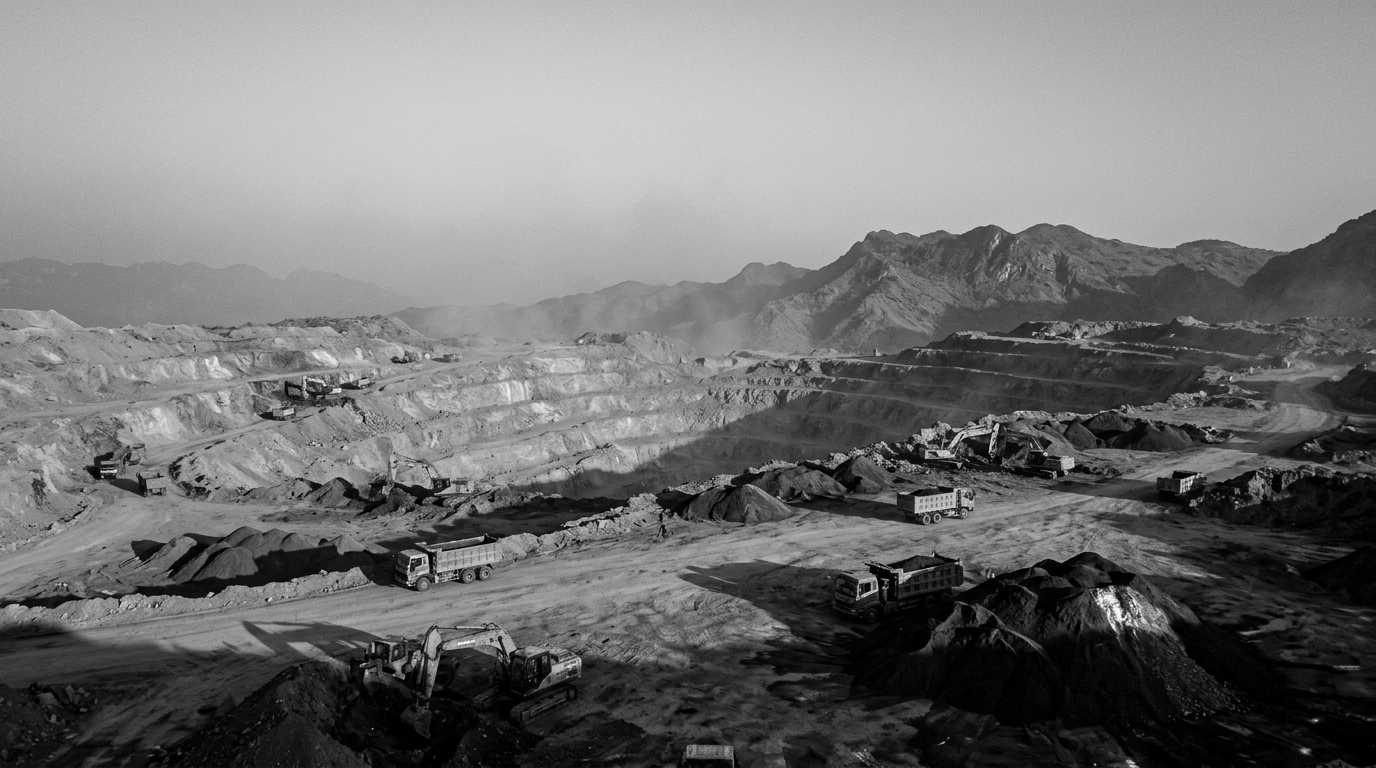
Myanmar continues to serve as a pivotal source of rare earth minerals for the global market, even amidst ongoing internal conflicts. The Southeast Asian nation is responsible for approximately 16 percent of the world's total rare earth output and close to half of all heavy rare earth production. These critical minerals are indispensable components in advanced technologies across defense and green energy sectors, highlighting the complex resilience of supply chains for strategic resources within regions experiencing fragmented political control.
Consistent Production Amidst Power Shifts
Control over key mining regions, such as Pangwa, has frequently transferred between military-aligned groups and various ethnic armed organizations. Despite these changes in territorial authority, mineral production levels have not experienced significant disruption. For instance, the Kachin Independence Army (KIA) assumed control of Pangwa, a vital operational hub for rare earth activities, in 2024. This event led to a shift in operational oversight rather than a complete halt in the supply chain.
Entities from China reportedly maintain consistent access to these essential resources. They engage with a diverse array of local power brokers, including various militias and regional elites, to ensure the continuity of operations. This strategy suggests a reliance on localized arrangements rather than exclusive dealings with the central government to secure mineral flows, illustrating a pragmatic approach to resource procurement in a volatile environment.
Challenges in Supply Chain Transparency
The decentralized governance over mining activities introduces considerable complexity regarding supply chain transparency. A significant challenge arises as minerals from conflict zones are often commingled with other materials during processing, making their precise origin difficult to trace. The absence of robust regulatory oversight allows these materials to enter international markets without clear documentation of their provenance. This lack of transparency poses substantial governance and accountability risks for international manufacturers.
Companies committed to ethical sourcing face considerable difficulties in verifying the origin of their components. This situation makes it challenging for businesses to ensure their supply chains are free from complicity with illicit trade associated with conflict and to meet increasingly stringent global compliance standards. The intricate web of local agreements and informal controls further complicates efforts to impose standard oversight mechanisms.
Global Strategic Importance of Resources
The uninterrupted flow of rare earth minerals from Myanmar underscores the strategic importance of these materials. Their integral role in critical technologies means that global industries must navigate complex geopolitical realities to secure their supply. The situation highlights a broader trend where the demand for essential resources can sustain production in politically unstable regions, often leading to intricate and opaque supply networks that challenge international norms for transparency and ethical sourcing. The continued reliance on these supplies emphasizes a broader global dependency on these materials for technological advancement and economic stability.