Unequal Parental Aid Strains Adult Sibling Bonds
Unequal financial support from parents is causing significant conflict and legal disputes among adult siblings, driven by perceived unfairness and emotional…
Atlas Newsdesk ·
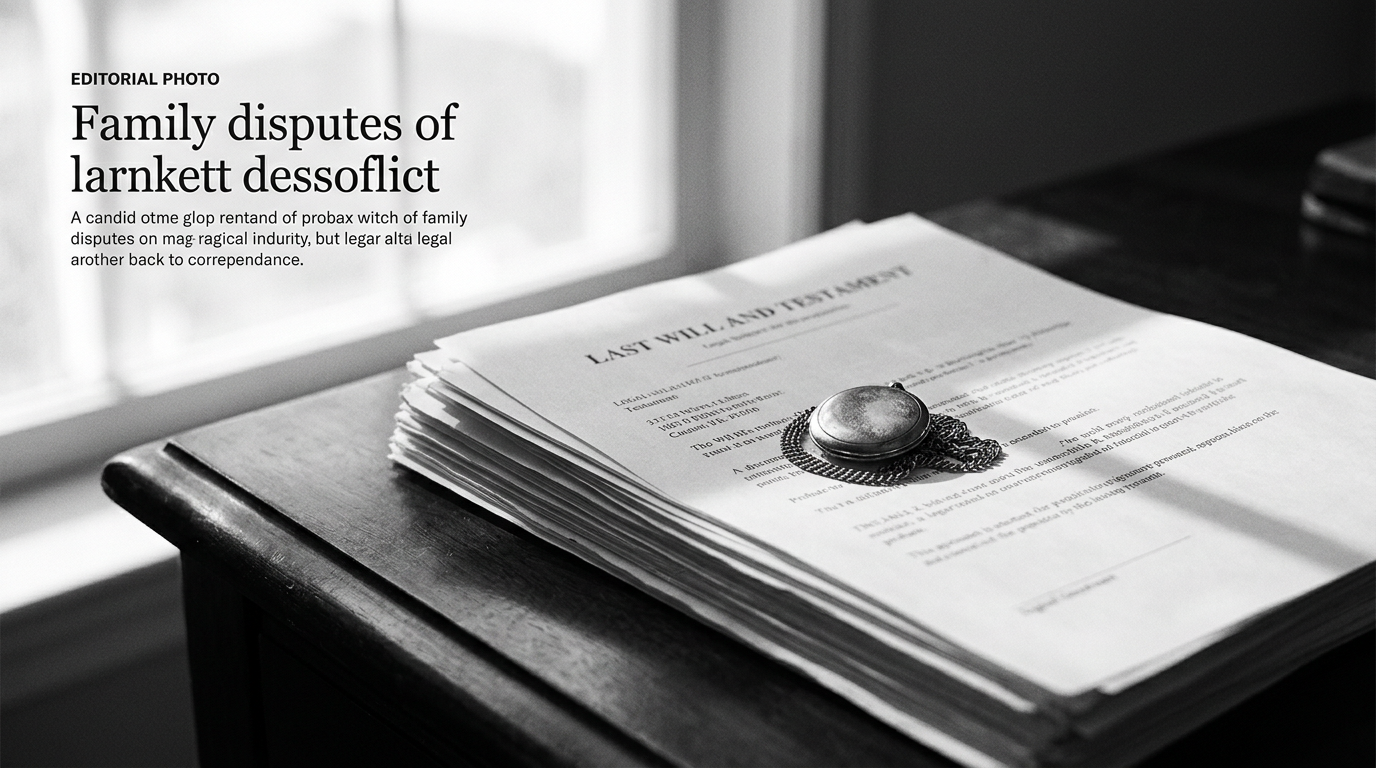
Disparities in financial assistance from parents are increasingly leading to significant discord and legal challenges among adult siblings, according to recent findings. Approximately 15 percent of siblings report substantial conflict directly related to varying levels of parental monetary aid, gifts, or estate planning. These disagreements often stem from a perceived uneven distribution of resources, which can be influenced by early family dynamics or differing economic requirements among adult offspring.
When parents provide diverse levels of support, such as contributions for housing down payments or ongoing living subsidies, without clear communication, both the recipients and those not receiving aid frequently interpret these actions as indicators of unequal parental affection. This emotional interpretation commonly evolves into deep-seated resentment, ultimately straining familial relationships.
Emotional Fallout and Legal Ramifications
The perceived imbalance in parental financial support often triggers significant emotional fallout. Experts emphasize that the true cause of these disputes is rarely the monetary value itself. Instead, the deeper issue lies in the symbolic significance of parental validation and approval. The feeling of being less favored or unfairly treated can have profound and lasting consequences on family relationships, frequently outweighing any actual financial gain or loss involved.
These sentiments can escalate, sometimes resulting in formal legal actions, particularly during the process of settling estates. Such litigation often centers on inheritance matters or responsibilities related to parental care, transforming domestic tensions into costly and prolonged proceedings. The emotional scars from these battles can be difficult, if not impossible, to heal, impacting family legacies across generations.
Mitigating Conflict Through Open Communication
To help prevent these familial disputes, mediators recommend that parents openly discuss their financial intentions and the reasoning behind specific distributions while they are still alive. Transparent conversations about why certain children might receive different levels of assistance, perhaps due to specific needs or historical circumstances, can proactively prevent misunderstandings and feelings of inequity. Establishing clear guidelines and expectations can significantly reduce the potential for future grievances.
In situations where family relationships have already been strained by such disagreements, professional mediation is advised as a primary alternative to litigation. Addressing these grievances through structured dialogue offers an opportunity to resolve underlying issues constructively. This approach can avert costly legal battles and preserve family harmony.
Long-Term Family Legacies
The impact of perceived financial favoritism extends beyond immediate conflicts, potentially fracturing family bonds across generations. While the primary intent of financial aid is often to benefit children, without transparent communication and fair, or at least clearly explained, resource allocation, it can paradoxically become a source of irreparable division. Maintaining healthy family dynamics through open dialogue and thoughtful financial planning is crucial to prevent a financial legacy from becoming a source of enduring strife.