US-Canada Tariffs Drive Canadian Firms to Asia
Escalating trade tensions between the US and Canada are pushing Canadian companies to seek new markets in Asia and Europe, impacting supply chains and…
Atlas Newsdesk ·
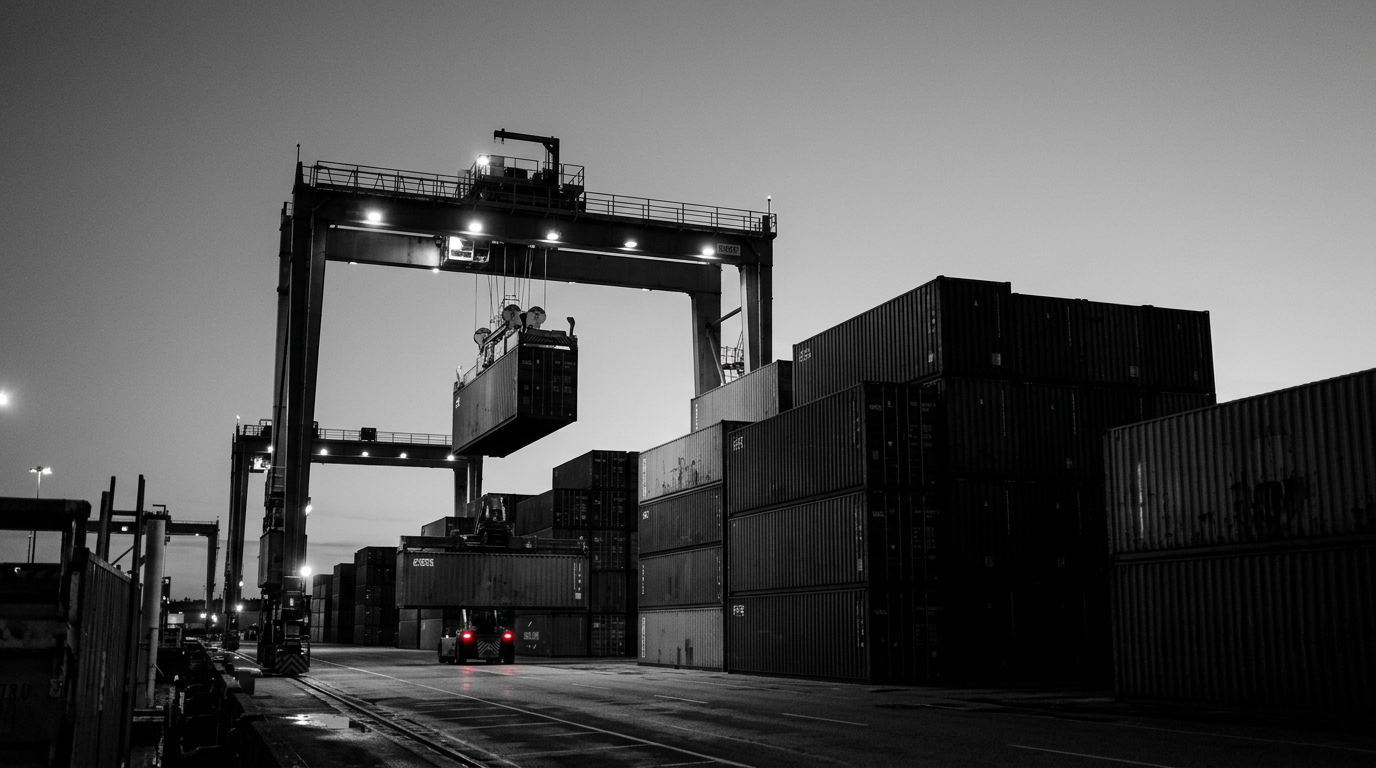
A growing trade dispute between the United States and Canada is compelling Canadian businesses to explore alternative international markets, specifically in Asia and Europe. This strategic shift is a direct consequence of reciprocal tariffs imposed by both nations, which have affected billions of dollars in cross-border trade and increased costs for integrated supply chains.
On August 22, the United States levied a significant 50 percent tariff on Canadian goods totaling approximately C$28 billion. Canada responded on September 8 by implementing dollar-for-dollar counter-tariffs specifically targeting US exports. The crux of this trade conflict revolves around sectoral duties applied to key products such as steel, aluminum, lumber, and automotive components.
Economic Repercussions in North America
The economic impact of these tariffs is particularly evident in Canada, especially within Ontario and Quebec. Manufacturing sectors in these provinces have reported significant job losses and a reduction in production output. On the US side, Canadian retaliatory measures have been strategically designed to affect specific swing states. Ohio, for instance, faces an estimated C$3.2 billion in impacted exports, with Illinois and Pennsylvania also experiencing notable targeting.
These policy decisions have rapidly reshaped the bilateral economic landscape. The average effective US tariff rate applied to Canadian goods has nearly doubled, climbing from 2.9 percent in June to 5.7 percent. This escalation in trade barriers makes cross-border commerce more expensive and less predictable for companies operating in both countries.
Canadian Businesses Diversify Export Markets
As the costs associated with cross-border integration continue to rise, Canadian enterprises are increasingly looking beyond their traditional largest trading partner. The United States typically absorbs more than 70 percent of Canadian exports, indicating a high level of dependence on the US market. The ongoing trade uncertainty is fueling a strong drive for diversification, with firms actively pursuing new opportunities in European and Asian markets.
Analysts anticipate that this trend towards market diversification will intensify if long-term trade tensions persist. Companies are aiming to mitigate risks linked to an over-reliance on a single market, a strategy that could potentially reshape global trade flows for Canadian products. This strategic adjustment seeks to build resilience against future trade disruptions and foster new economic relationships, marking a significant reorientation for Canadian export strategies.