MTA Sues US Government Over Subway Funding
MTA sues the U.S. government for nearly $60 million in withheld federal funding for the Second Avenue Subway expansion project.
Lauren Collins ·
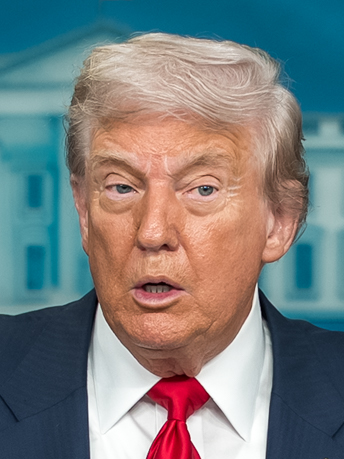
The Metropolitan Transportation Authority (MTA) initiated legal action against the United States federal government on Tuesday, March 17, 2026, in the Court of Federal Claims located in Washington. The lawsuit targets the release of approximately $60 million in federal funding designated for the Second Avenue Subway expansion project in Manhattan. This legal challenge asserts a breach of contract by the federal government.
The MTA alleges that the federal government has improperly withheld over $58 million, a sum deemed crucial for the ongoing expansion of the Second Avenue Subway line. This project, with an estimated total cost of nearly $7 billion, aims to extend the Q line from 96th Street to 125th Street and Lexington Avenue, with a projected completion date of 2032. Federal contributions are expected to cover approximately $3.4 billion of the total project expenses.
Funding Dispute Origins
The dispute originates from an October 2025 declaration by the then-President, who indicated an intention to withhold federal funding for the Second Avenue Subway project. This decision was reportedly linked to political disagreements with New York Democrats and also affected a separate multibillion-dollar tunneling plan beneath the Hudson River. New York Governor Kathy Hochul has directly attributed the necessity of the lawsuit to these prior presidential actions.
Project Significance and Economic Impact
The Second Avenue Subway expansion is a critical infrastructure initiative for New York City. Upon completion, it is anticipated to serve over 100,000 daily commuters and support thousands of union jobs throughout its construction phase. The project is designed to alleviate congestion on the Lexington Avenue line, one of the busiest subway corridors in the world, and enhance transit access for residents of East Harlem.
Precedent and Legal Context
This legal challenge by the MTA draws parallels to a previous funding dispute involving the Gateway tunnel project. In that instance, a federal judge intervened to block the Trump administration from withholding over $200 million in federal funds. That prior legal resolution ultimately led to the release of the funds, but only after temporary work stoppages and associated layoffs had occurred.
The current lawsuit seeks a similar judicial intervention to ensure the continuity of the Second Avenue Subway expansion.
Implications for Infrastructure Spending
The outcome of this lawsuit could establish a significant precedent for federal-state infrastructure funding agreements, particularly in instances where political disagreements arise. It underscores the potential for federal funding commitments to become entangled in broader political disputes, impacting large-scale public works projects across the nation.
The ongoing legal battle highlights the complexities of financing major urban development initiatives and the reliance of local authorities on consistent federal support.
Implications
Country Impact: The lawsuit could influence future federal-state infrastructure funding dynamics across the U.S., potentially clarifying the enforceability of federal commitments despite political shifts. It highlights the vulnerability of large-scale public works to federal policy changes.
Industry Impact: The construction and transportation sectors face potential delays and financial uncertainty if federal funding for major projects becomes unreliable. This could impact employment, contractor planning, and the overall pace of infrastructure development.
Market Impact: Uncertainty regarding federal infrastructure spending can affect municipal bond markets, particularly for projects reliant on federal contributions. Delays or funding shortfalls could lead to increased borrowing costs or project scope reductions.