Europe heatwave puts 135 million under extreme alerts
Europe heatwave expands, with 135 million facing highs above 35°C and about 340 million set to top 30°C on Thursday, officials said.
Atlas Newsdesk ·
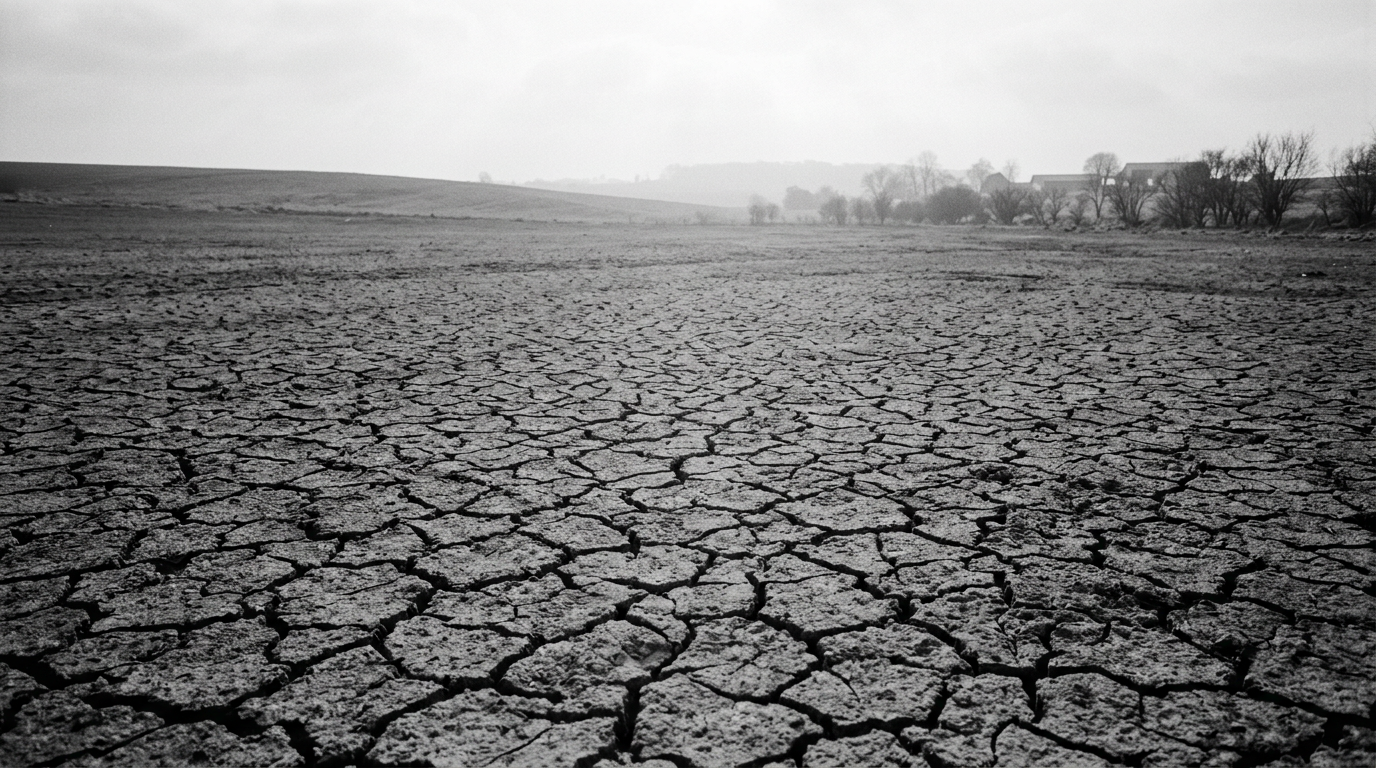
A prolonged heatwave is spreading across Europe, with more than 135 million people under extreme temperature alerts as daytime highs are forecast to exceed 35 degrees Celsius in multiple countries. Meteorological data cited from the European Commission and German weather services indicates that around 340 million people—nearly 60 percent of Europe’s population—are expected to face temperatures above 30 degrees Celsius on Thursday.
Forecasters said the most severe conditions are expected in the United Kingdom and France, where the current pattern has been described as the fifth heatwave of the summer in both countries. In parts of England, peak temperatures could reach 38 degrees Celsius, according to forecasters, while some locations in France could see readings as high as 40 degrees Celsius.
European Commission Heat hotspots in the United Kingdom and France European Commission The European Commission forecast identified the United Kingdom and France as key hotspots as the heat intensifies. Forecasters said impacts can differ by area, depending on how temperatures vary by region and how long the pattern holds. Officials did not provide a single end date for the heatwave in the cited information. That absence of a firm timeline leaves uncertainty around how long above-normal heat may persist in the most exposed locations, including whether the most intense peaks repeat over successive days. Records, public services, and drought pressure The latest spell is developing against a broader backdrop of unusually high seasonal temperatures. The UK Met Office said average conditions for the remainder of August could leave 2026 on track to become the hottest year on record, highlighting how the current heat fits into a wider run of elevated readings. Environmental stress is also rising as drought conditions continue across parts of the region, reducing water availability used by agriculture and households. With supplies under strain in multiple areas, authorities are assessing steps they can take immediately while also considering longer-term infrastructure changes intended to cope with more frequent extreme weather.
Health system strain and policy uncertainty
In the United Kingdom, the Royal College of Nursing said the Health Service is facing critical operational challenges linked to the heat. The organisation said some facilities without adequate climate control have reported staff exhaustion as well as heat-related medical emergencies, adding to pressures as high temperatures are expected to continue. Governments across Europe are weighing short-term measures alongside Governments across Europe are weighing short-term measures alongside broader adjustments aimed at reducing risks from recurring heat extremes. The cited information did not specify which policies are being reviewed or when decisions might be announced, leaving uncertainty over how quickly additional protections could be implemented.
Forecasters continue to point to severe peaks in England and France, while noting that overall impacts will depend on local conditions, including the evolution of drought restrictions and which systems—such as water supply, agriculture, and health services—face the greatest strain during the hottest periods.