Europe heatwave strains power, tourism and farms at peak
Europe heatwave conditions are peaking with 38°C forecasts, nuclear outages and tourism weakness testing energy supplies and output.
Claire Dubois ·
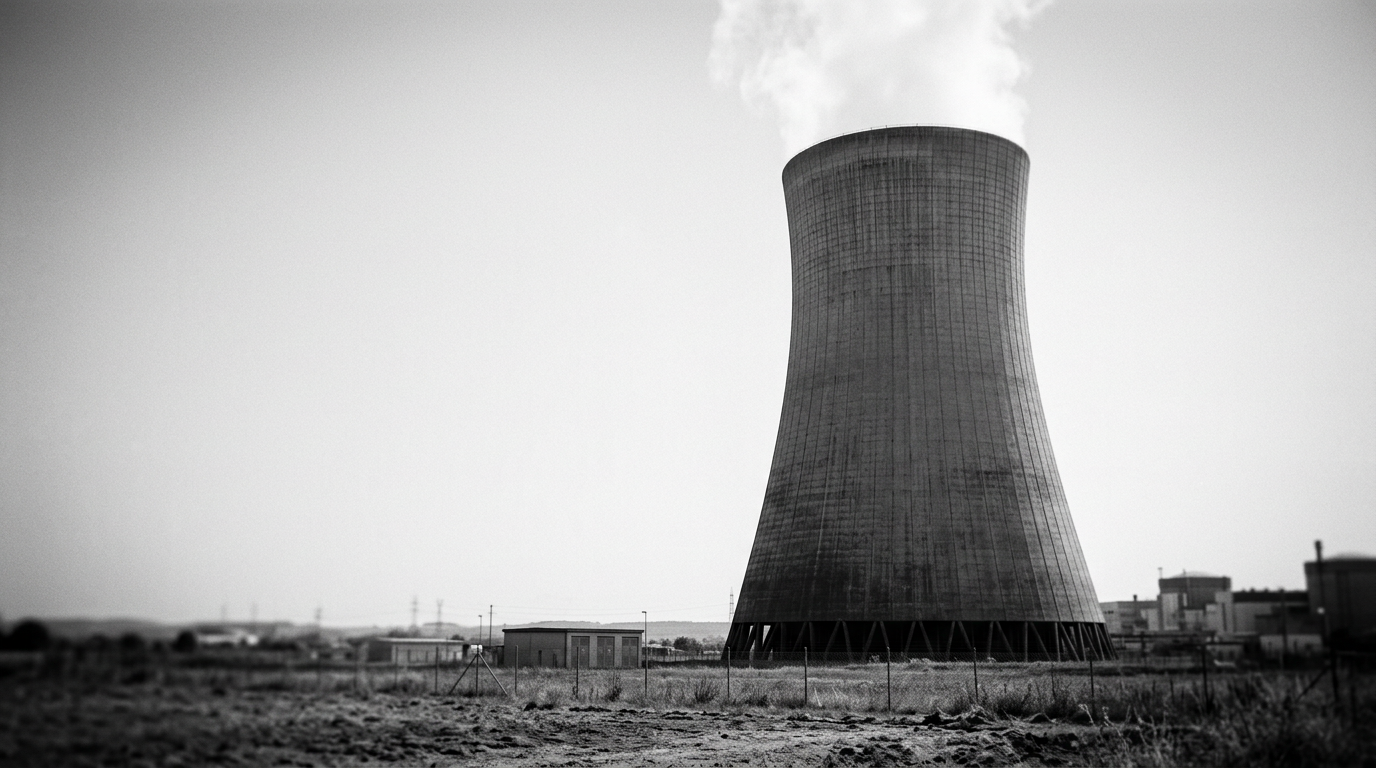
Europe heatwave pressure is peaking as temperatures in Germany and France are forecast to exceed 38°C today, testing energy, water and tourism.
The episode is the fifth heatwave to hit Europe this year, putting another stress point on economies already exposed to summer power demand and tourist flows. Parts of Germany and France are expected to reach about 100°F, a level that can quickly shift heat from a public-health issue into an infrastructure and productivity problem.
Energy is the clearest transmission channel in the information available. Romania began disconnecting its only functioning nuclear reactor from the grid after record-low water levels in the Danube, while one-fifth of France’s nuclear capacity is offline.
Danube levels squeeze nuclear output
Nuclear plants depend on reliable cooling water, so low river levels can turn hot weather into an electricity-supply constraint. Romania’s move links the Danube’s water level directly to grid operations, rather than leaving the heatwave as a weather story alone.
France carries a wider regional importance because its nuclear fleet is a major part of domestic power supply. With one-fifth of capacity unavailable, the immediate question is how long the outage level lasts as temperatures peak across parts of western Europe.
The pressure comes from two sides: heat can lift electricity demand for cooling while also making some generation harder to run. If temperatures ease after today, the strain may be short-lived; if river levels stay low, the energy system faces a longer operational test.
Rome sales show tourism exposure
The economic impact is also showing up in services. Restaurants and bars in Rome reported lower sales last month, a concrete warning for tourism-dependent economies that heat can reduce customer activity even before it appears in broader national data.
Tourism is sensitive to timing because summer months carry a large share of annual revenue for hotels, restaurants, transport operators and local retailers. A heatwave that changes travel behavior or reduces outdoor spending can therefore hit small businesses faster than it affects headline economic output.
The risk is uneven across Europe. Countries and cities that rely more heavily on seasonal visitors face a more direct hit, while industrial regions may feel the episode first through electricity costs, lower labor efficiency or disrupted logistics.
Swiss Re names four channels
Swiss Re framed the heat risk in broad economic terms. The reinsurer warned in a report that rising temperatures on the continent will "reduce agricultural productivity, strain water and energy systems, damage infrastructure, and lower labor productivity."
Those channels matter because they run through both supply and demand. Lower farm yields would affect food production, water stress can limit power and industry, infrastructure damage can raise repair costs, and lower labor productivity can reduce output during the hottest periods.
For Swiss Re, the warning also places climate-linked heat within the insurance and reinsurance conversation. If damage to infrastructure and business interruption becomes more frequent, the industry’s focus would turn to pricing, coverage terms and the quality of local adaptation plans.
Scenarios hinge on water
If today marks the heatwave’s peak and temperatures moderate, the macro effect may remain concentrated in electricity operations, restaurant sales and short-term productivity losses. Under that path, Romania’s reactor disconnection and France’s offline nuclear capacity would be the immediate company and sector issues to monitor.
If high temperatures persist and the Danube remains at record-low levels, the mechanism becomes more serious: cooling limits would keep pressure on nuclear output while tourism businesses absorb weaker demand. That would matter beyond one country because Europe’s power, agriculture, insurance and travel sectors are linked through costs, contracts and cross-border demand.
The open question is duration. A short heat spike is an operational shock; a longer one would test whether Europe’s energy systems, tourism centers and insurers are adapting quickly enough to a hotter summer pattern.