Climate Change Forces Evolution in Chocolate Manufacturing
Rising global temperatures are compelling chocolate producers to redesign product formulas to withstand heat and ensure supply chain stability.
Ayla Demirhan ·
Adapting to Thermal Challenges
Escalating environmental temperatures are complicating the storage and distribution of chocolate, prompting manufacturers to explore heat-resistant formulations. Traditional chocolate relies on a delicate crystalline structure that provides a smooth, velvety texture upon consumption. As heat waves become more frequent, this fragile equilibrium is increasingly compromised, forcing the industry to address the technical conflict between product durability and sensory quality.
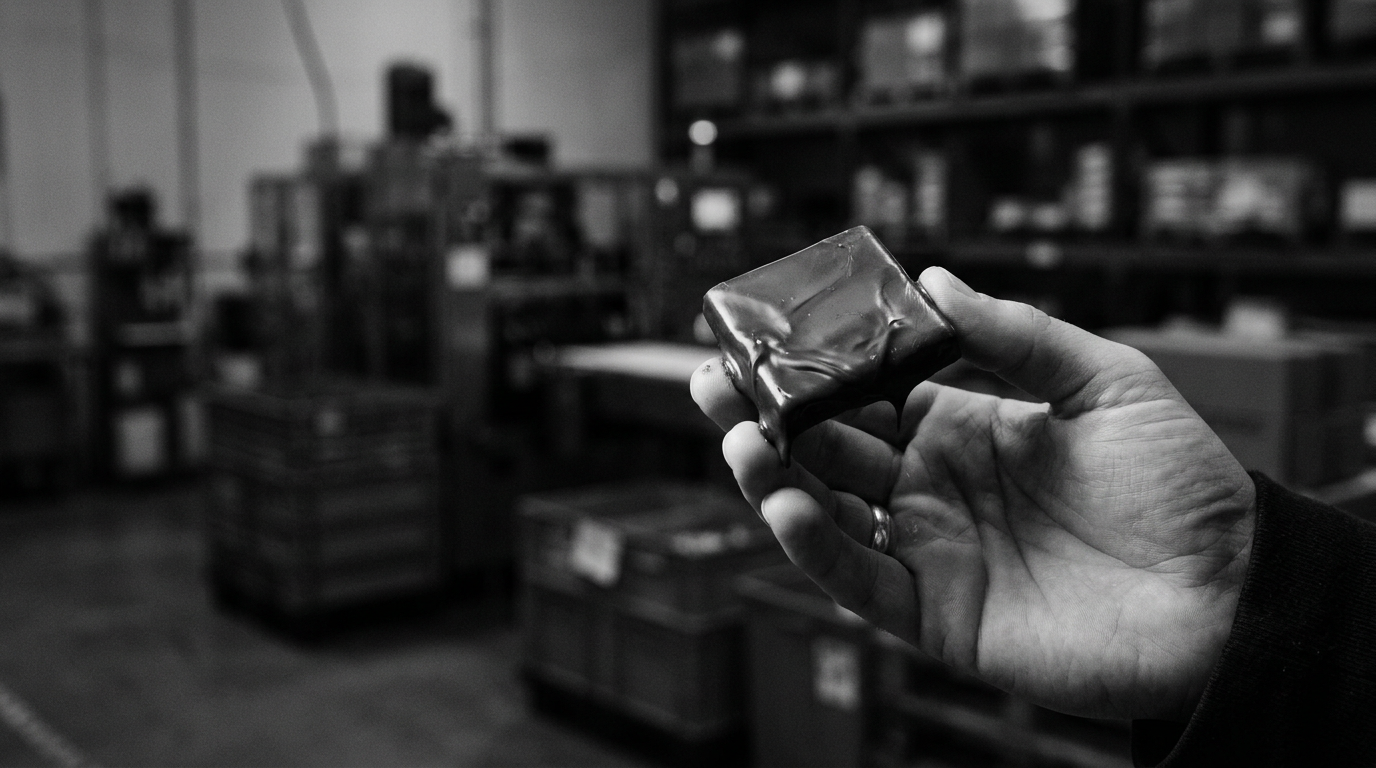
The core of this issue lies in cocoa butter, which possesses a polymorphic crystalline structure designed to melt near human body temperature. When ambient heat exceeds these thresholds during transit or warehousing, the structure degrades, leading to softening, deformation, and fat bloom on the surface. These physical changes negatively impact consumer perception and increase the risk of product spoilage.
This vulnerability is particularly acute in regions where cold-chain logistics are either prohibitively expensive or logistically complex. Consequently, heat-related stress is elevating the risk profile for chocolate distribution, shifting the focus from simple production to comprehensive supply chain management.
Engineering Heat-Resistant Confectionery
Food scientists are currently investigating methods to elevate the melting threshold of chocolate without sacrificing its signature flavor profile. The objective is to prevent deformation during transport while maintaining the rapid release of aromatics that defines the consumer experience. Rather than simply hardening the product, researchers are attempting to re-engineer the thermodynamic balance of the cocoa matrix.
One emerging technique involves the creation of microscopic sugar skeletons within the chocolate. This internal framework provides mechanical support, allowing the product to retain its geometric shape even if the cocoa butter begins to liquefy. Such innovations aim to ensure that the chocolate remains intact even when exposed to temperatures reaching 50°C.
Quality Standards and Future Implications
A primary concern for the industry is how these structural modifications will influence the traditional chocolate experience. Because the melting point and crystal arrangement are intrinsically linked to taste perception, companies must balance stability testing with rigorous sensory evaluations. The success of these initiatives depends on whether the final product can satisfy consumer expectations for texture and mouthfeel.
Successfully implementing heat-resistant formulas could significantly enhance supply chain security in warmer climates and reduce reliance on energy-intensive cooling systems. However, these changes may necessitate updates to labeling, product classification, and quality control protocols. As the industry evolves, these technical advancements are likely to redefine global standards for both chocolate production and international logistics.