Monsoon could decide India's inflation path
India's monsoon will shape food-driven CPI and could sway central bank rate decisions, since food makes up nearly 40% of the CPI, data showed.
Mateo Fernandez ·
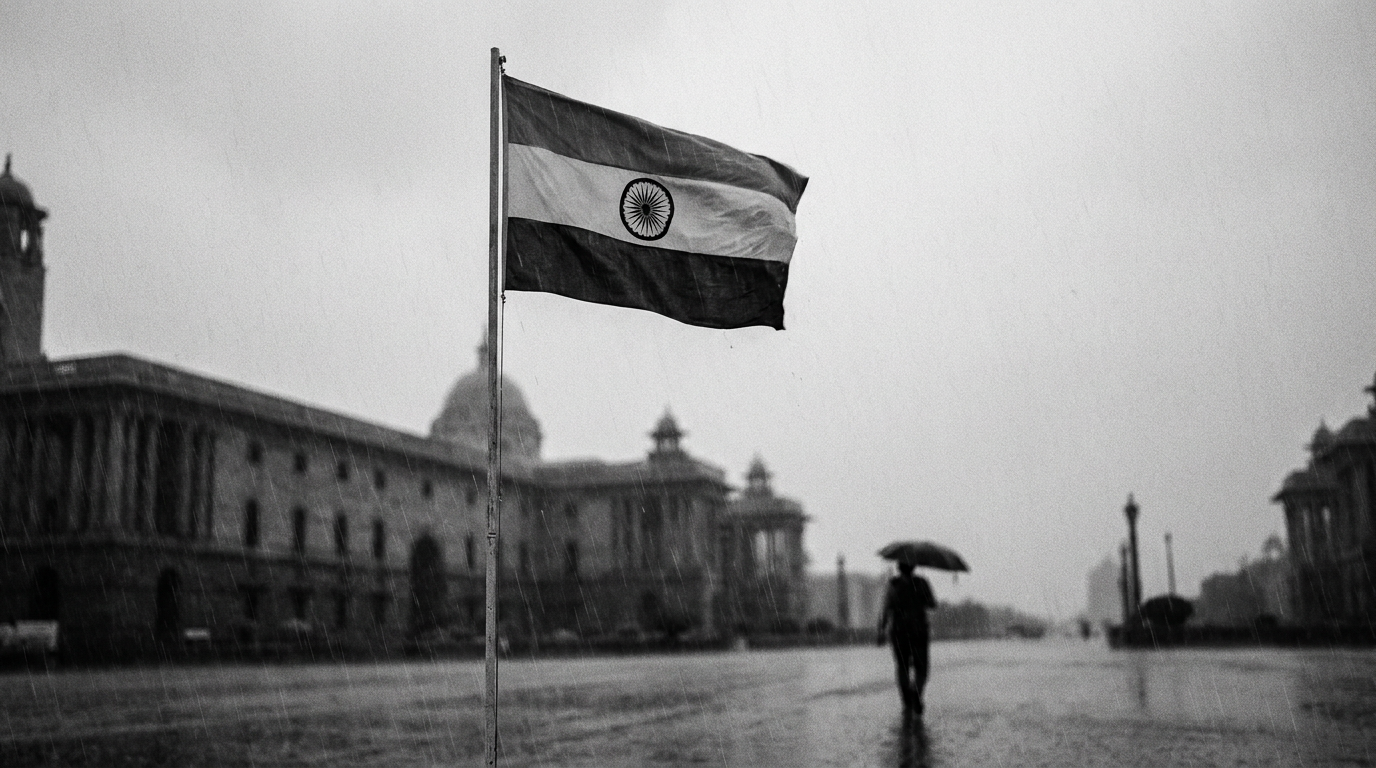
India's monsoon this season will be watched closely by policymakers and markets because food accounts for nearly 40% of the consumer price index, data showed. Officials said a pronounced rainfall shortfall or delay could push up food prices quickly, feeding into headline inflation and complicating the central bank's rate calculus. Reaction pending.
Monsoon progress and food CPI
Rainfall affects supplies of cereals, pulses, vegetables and spices; changes in those supplies show up fast in retail prices given food's large CPI weight, data showed. Officials said that seasonal shortages typically lift headline inflation volatility and that short-term price spikes have historically influenced monetary policy discussions.
If the monsoon underperforms, then food inflation is likely to climb and the central bank may face pressure to keep policy tighter for longer to anchor expectations. If rains are normal to above normal, then supply buffers should help keep food inflation subdued, giving the central bank room to consider easing or to delay further tightening.
Markets will track rainfall patterns, kharif sowing reports and early crop-condition releases through July; by July 31, 2026 investors expect a clearer picture of whether the monsoon will ease or intensify inflationary pressure.