Warsh tilts Fed focus toward inflation mandate
The new Fed chair appears to be putting price stability ahead of employment, sharpening the rates signal for markets.
Mateo Fernandez ·
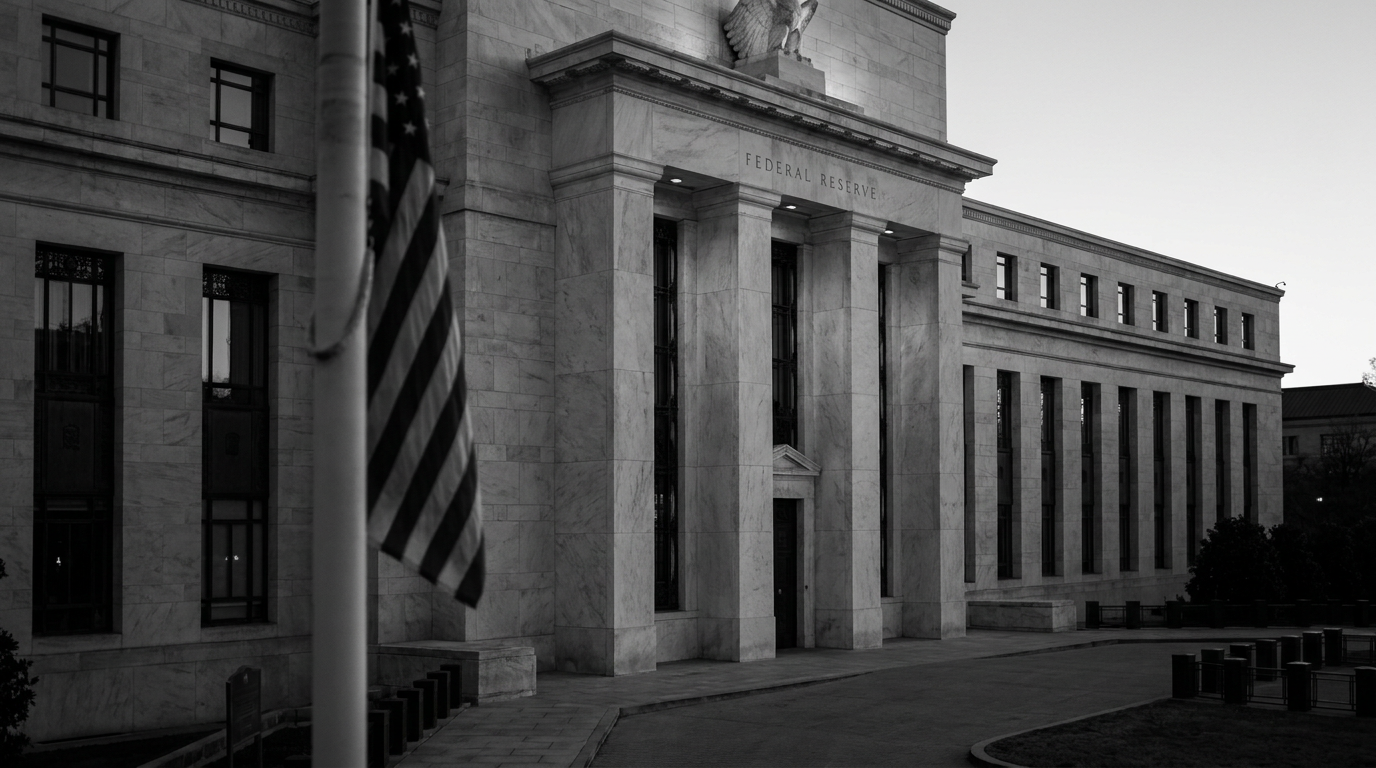
Kevin Warsh, the new Federal Reserve chair, is appearing to put greater weight on price stability than maximum employment, a shift that could shape how investors price the path of US interest rates. Reaction pending.
The Federal Reserve’s mandate rests on two goals: stable prices and maximum employment. A chair who emphasizes inflation control over labor-market support can change the balance of risks around rate cuts, even before any formal policy vote.
Warsh narrows the mandate signal
The issue for markets is not only what Warsh says about
inflation, but how he frames the trade-off when job growth weakens or unemployment rises.
If the chair treats price stability as the binding constraint, investors may
expect policy to stay tighter for longer when inflation remains above the central bank’s comfort zone.
That would matter across the Treasury curve. Shorter-dated yields are sensitive to expected policy rates, while longer maturities also reflect inflation credibility, fiscal expectations and demand for duration. A Fed chair seen as less responsive to employment softness could keep rate volatility elevated.
The company-level impact is indirect but broad. Banks, homebuilders, rate-sensitive technology firms and leveraged borrowers would face a different discount-rate backdrop if markets reduce expectations for easing. The wider credit market would also have to judge whether tighter policy raises refinancing risk.
If Warsh’s emphasis holds through public remarks over the next 24 hours, through Friday, July 10, 2026, markets will look for confirmation in Fed communications and rate-pricing screens. If he instead stresses the full dual mandate, the rates effect could fade as traders rebuild expectations around a more balanced reaction function.