West Bengal: Voter Purge Sparks Election Concerns
India voter roll purge in West Bengal removed about 9.1 million names ahead of elections starting Thursday, prompting bias and neutrality concerns.
Lauren Collins ·
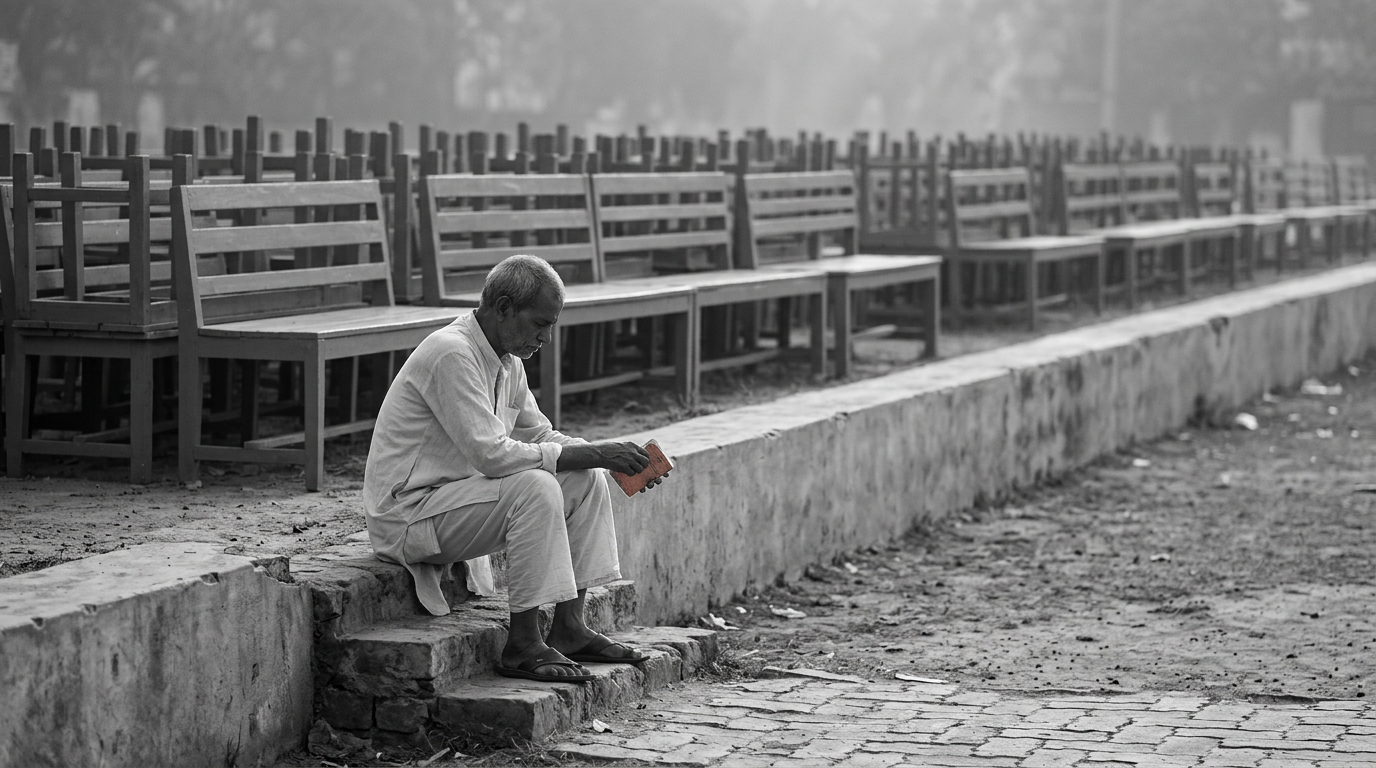
Millions of voters in India’s West Bengal state have been removed from the electoral roll just before state elections that begin Thursday, according to details cited by critics and experts. The deletions were carried out through a Special Intensive Revision (SIR) process, which has become a flashpoint in a high-stakes contest where the Bharatiya Janata Party (BJP) is trying to take power from the Trinamool Congress (TMC), which has governed the state for 15 years.
Figures referenced in the dispute put the scale of the revision at approximately 9.1 million names, described as more than 10% of the electorate. Officials and supporters of the exercise have pointed to routine reasons for removals, including entries linked to deceased individuals and duplicate registrations. However, critics highlight that 2.7 million people who challenged their deletion were still removed from the rolls.
The central BJP government, led by Prime Minister Narendra Modi, has defended the SIR as a safeguard against “infiltrators” voting. Critics and observers say that term is often used in connection with illegal Muslim Bangladeshi immigrants, and they argue the framing risks turning an administrative process into a politically charged filter on eligibility.
Organizations and experts, including the Sabar Institute, have said Muslims were disproportionately affected by the deletions. In some Muslim-majority constituencies, nearly half of voters were reportedly removed, according to the same accounts. Opponents describe the exercise as a “constitutional crime” and an attempt to shape electoral outcomes by narrowing the electorate.
The timing and pace of the revision have also drawn scrutiny. The SIR was conducted ahead of the state elections beginning Thursday, and the speed has fueled concerns among political opposition figures and legal experts about the independence and neutrality of the election commission. The dispute has widened beyond West Bengal’s immediate contest, touching on broader questions about how voter list maintenance is carried out and how disputes are resolved when elections are imminent.
Y. Quraishi criticized the SIR as unnecessary and designed to harass, and he questioned the motives behind the rapid revision. Even as the government argues the process is meant to protect electoral integrity, critics say the unresolved challenges and the reported concentration of deletions in Muslim-majority areas leave key uncertainties about how consistently standards were applied and whether affected voters will have practical avenues to restore their registration before voting begins.