US Extends Iran Ceasefire, Naval Blockade Remains
U.S. extends Iran ceasefire on April 22, 2026 while keeping a naval blockade, as sanctions expand and Strait of Hormuz shipping stays restricted.
Lauren Collins ·
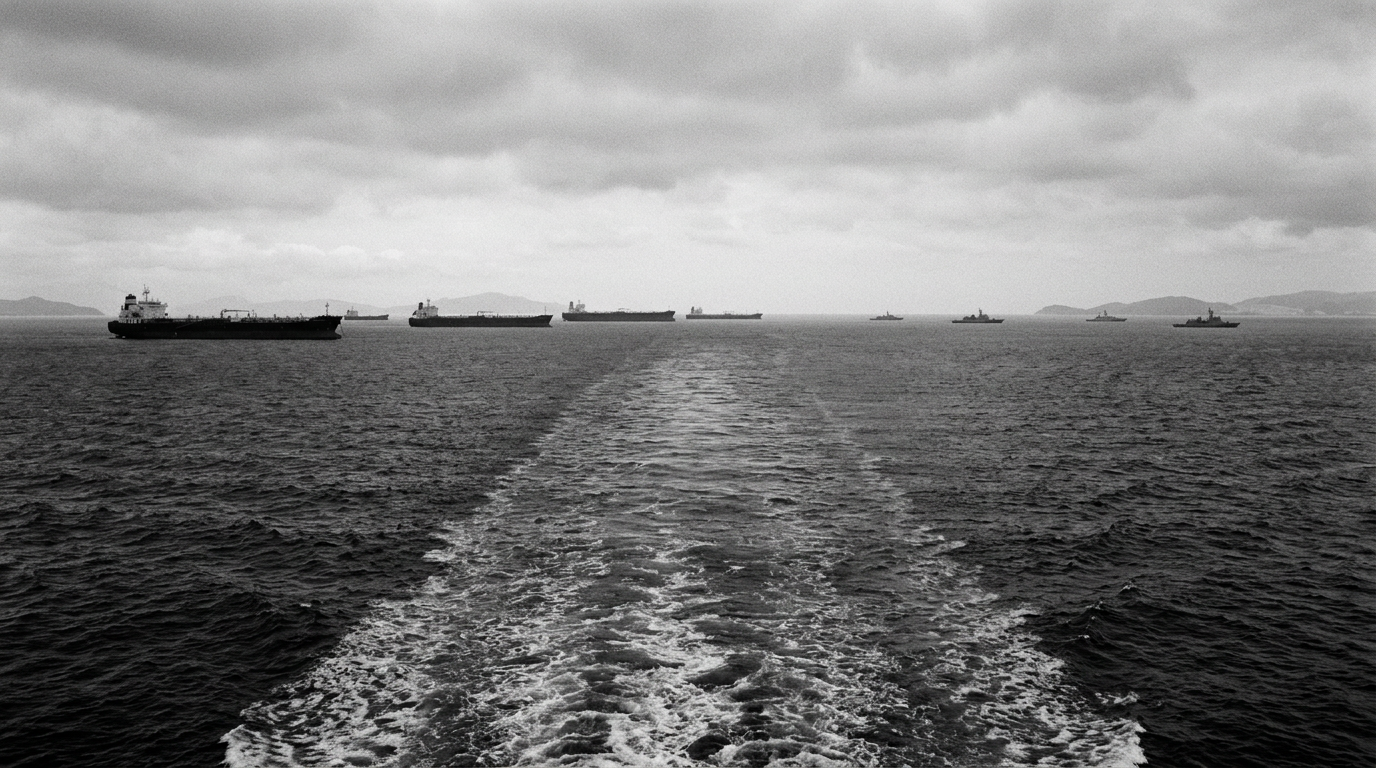
WASHINGTON, D.C., April 22, 2026 — The United States has extended a ceasefire with Iran, a move President Donald Trump announced on April 22, 2026, as Washington seeks additional time for negotiations aimed at ending a wider regional conflict. Even as the truce is prolonged, U.S. forces are maintaining a naval blockade on Iranian ports, a central point of dispute that both sides say affects the prospects for talks.
Iran has argued that the blockade violates the ceasefire and makes diplomacy harder, according to officials. Iran’s Foreign Minister Abbas Araghchi described the U.S. naval blockade as an “act of war” and said it breaches the truce. An adviser to Iran’s parliamentary speaker suggested the ceasefire extension could be used as a tactic to enable military escalation, adding to uncertainty around the durability of the arrangement.
At the same time, violence elsewhere in the region is complicating the diplomatic picture. Ongoing violence in the occupied West Bank has continued, and Israeli strikes in southern Lebanon have caused casualties and damage, according to the account. These parallel flashpoints are unfolding as the U.S. positions itself to convene ambassador-level negotiations between Israel and Lebanon in Washington, D.C.
Lebanon’s Prime Minister Nawaf Salam has said his priority is a full Israeli withdrawal, as the U.S. prepares to host the talks. The planned discussions come amid heightened security concerns and competing demands from the parties involved, with the broader ceasefire extension between the U.S. and Iran occurring alongside these separate but connected tensions.
Energy and shipping risks remain prominent. Shipping through the Strait of Hormuz is still restricted, raising concerns about global oil supplies. The Islamic Revolutionary Guard Corps (IRGC) has warned that Middle Eastern oil production could be targeted if attacks originate from Gulf neighbors, a statement that underscores the potential for regional spillovers tied to energy infrastructure and maritime routes.
S. has expanded sanctions linked to Iran’s weapons programs, and the European Union is considering similar measures. President Trump has also indicated he is considering a currency swap with the United Arab Emirates, describing it as support for the Gulf ally. , can proceed amid continued violence in the occupied West Bank and southern Lebanon.