Corporate ticket quotas spark fan frustration at national games
High volumes of tickets allocated to sponsors are limiting local fan access to national football matches, raising concerns about the sport's cultural identity.
Mehmet Şahinoğlu ·
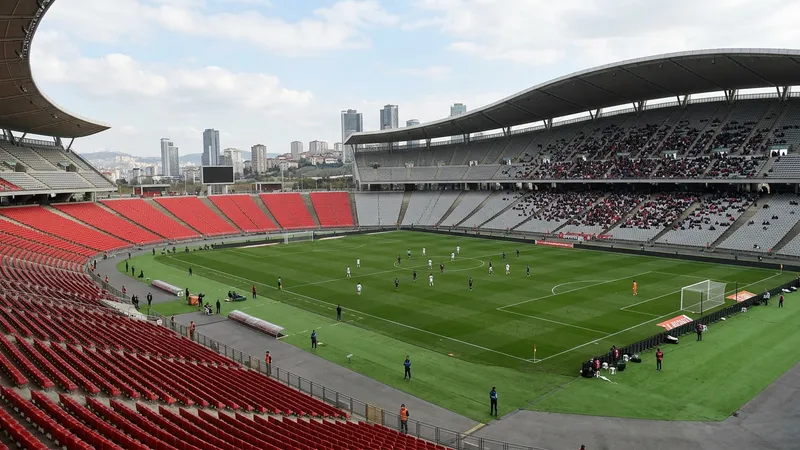
Access barriers for local supporters
Recent national football fixtures have faced scrutiny over ticketing policies that prioritize corporate partners over dedicated local fan bases. Observers note that a significant portion of stadium capacity is frequently reserved for sponsors, leaving limited availability for the general public. This practice has triggered vocal dissatisfaction among established supporter groups, particularly in cities hosting these high-profile events.
Reports indicate that prominent fan organizations in regions like Kocaeli and Bursa have struggled to secure seats for matches held in their own stadiums. Critics argue that this system often leads to tickets appearing on secondary markets or being occupied by individuals with little connection to the local football culture, effectively diluting the atmosphere that these groups traditionally provide.
Economic scale and football dominance
The broader sports sector in the country has reached an annual expenditure volume of approximately 181 billion TL, or roughly 4.6 billion dollars, when accounting for both public investment and direct economic activity. Football remains the primary driver of this financial ecosystem, commanding a 36 percent share of the total budget allocated to federations.
While commercial partnerships are essential for the financial health of modern sports, the current model relies heavily on match-day revenue and fan engagement. Experts suggest that when commercial interests consistently overshadow the rights of the average spectator, it creates a structural imbalance. The lack of transparency in how these tickets are distributed remains a central point of contention for stakeholders.
Risks to stadium culture
The ongoing debate highlights a growing disconnect between the commercialization of the sport and its social foundation. Supporters are viewed not merely as ticket buyers, but as the primary custodians of football history and team identity. Officials have previously stated that the strategy of rotating match venues is intended to foster local engagement, yet current ticketing trends appear to undermine this objective.
If the existing distribution framework remains unchanged, there is a risk that the match-day experience could shift toward a purely corporate event, potentially alienating the core fan base. Industry analysts suggest that implementing more transparent policies and prioritizing local access could mitigate these tensions. Without such adjustments, the long-term sustainability of passionate stadium support remains uncertain.