Mideast Flare-Up Threatens US-Iran Nuclear Agreement
Prospects for an interim Iran peace deal are diminishing following recent Israeli military actions in Lebanon and subsequent warnings from President Trump.
Lauren Collins ·
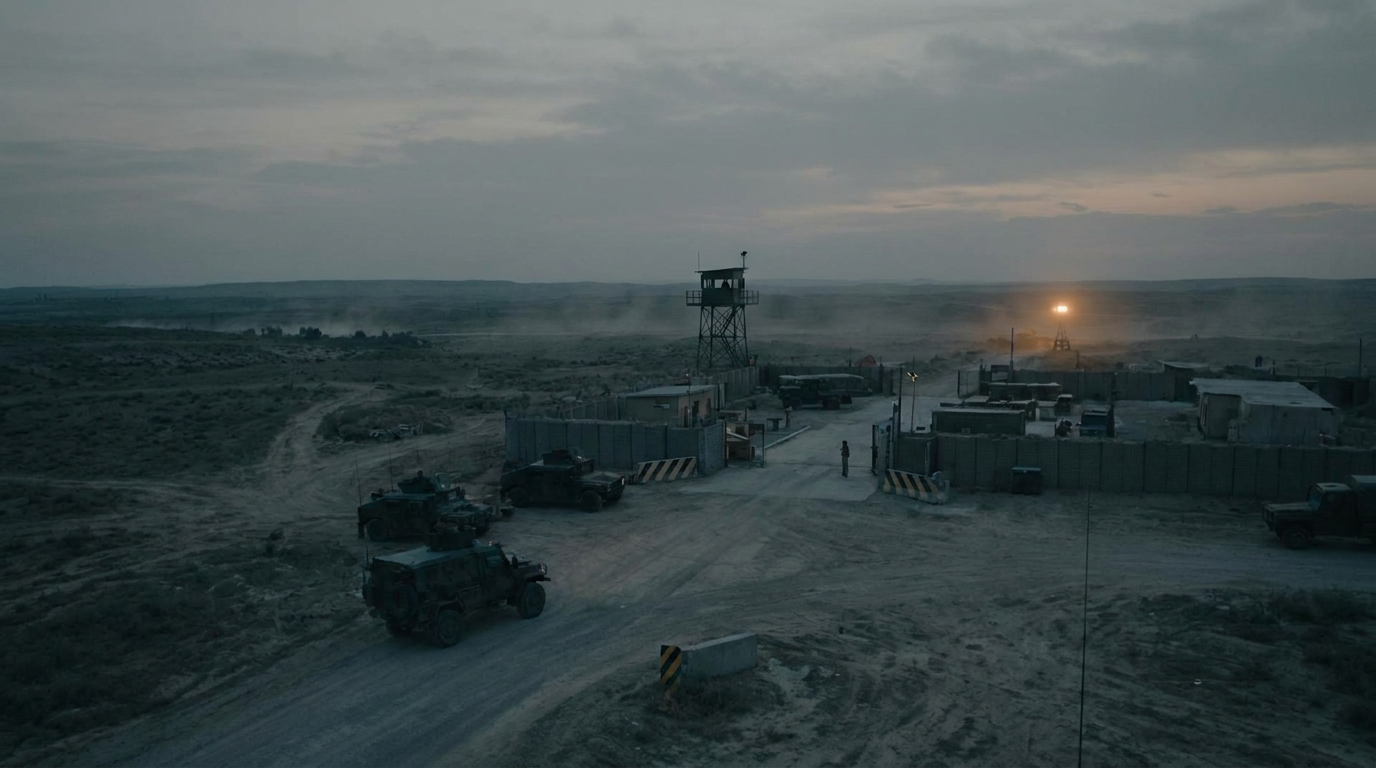
A prospective interim Iran peace deal, anticipated by Sunday, appears increasingly precarious following Israeli airstrikes targeting Hezbollah sites in Lebanon's capital. These escalations across the Israeli-Lebanese border have drawn sharp criticism from Iran, further complicating diplomatic efforts.
The Israeli actions were reportedly a response to Hezbollah's projectile launches into northern Israel, leading President Trump to intervene. His public admonishment of Israel's operations signals potential friction between Washington and a key regional ally, highlighting the delicate balance of US foreign policy objectives.
Regional Stability Jeopardized
President Trump took to social media on Sunday to call for an immediate cessation of hostilities from all parties. He stated, "There should be no more attacks by Israel anywhere in Lebanon, but there should also be no more attacks by any other party, including Hezbollah, against Israel."
This direct appeal underscores the fragility of regional security and the potential for a broader conflict to derail diplomatic progress. Trump's emphasis on a "long and beautiful peace" suggests a perceived opportunity that is now at risk.
The swift condemnation from Tehran regarding the strikes on Beirut indicates the potential for a hardened stance in nuclear negotiations. Iran's geopolitical leverage often intertwines with regional stability, making such incidents significant.
Deal Timeline Under Scrutiny
Jonathan Finer, who served as principal deputy national security advisor under President Biden, previously voiced concerns about the expedited timeline for a potential Iran deal. He suggested that a rushed agreement could lead to future instability and unraveling.
Despite these concerns, there were reports that a deal could be finalized within hours on Sunday, with an in-person signing ceremony in Europe possibly following later in the week. This ambitious schedule now faces severe headwinds from renewed regional violence.
The urgency to secure an agreement, potentially driven by various political calendars, now collides with the unpredictable nature of Middle Eastern geopolitics. The timing of an interim deal often reflects a complex interplay of domestic and international pressures.
Implications for US Diplomacy
The current situation presents a significant challenge for US diplomacy, balancing efforts to de-escalate regional conflicts with the pursuit of a nuclear agreement. Any perception of US favoritism or indecision could embolden adversaries or alienate allies.
The outcome of these concurrent crises will reveal much about the administration's capacity to manage complex international relations. The path forward demands careful negotiation not only with Iran but also with key regional partners whose security interests are directly impacted.