UK Lawyers Warn Against Terror Link in Palestine Action Sentencing
Legal experts warn that sentencing Palestine Action protesters as terrorists without a jury conviction would be a constitutional threat.
Lauren Collins ·
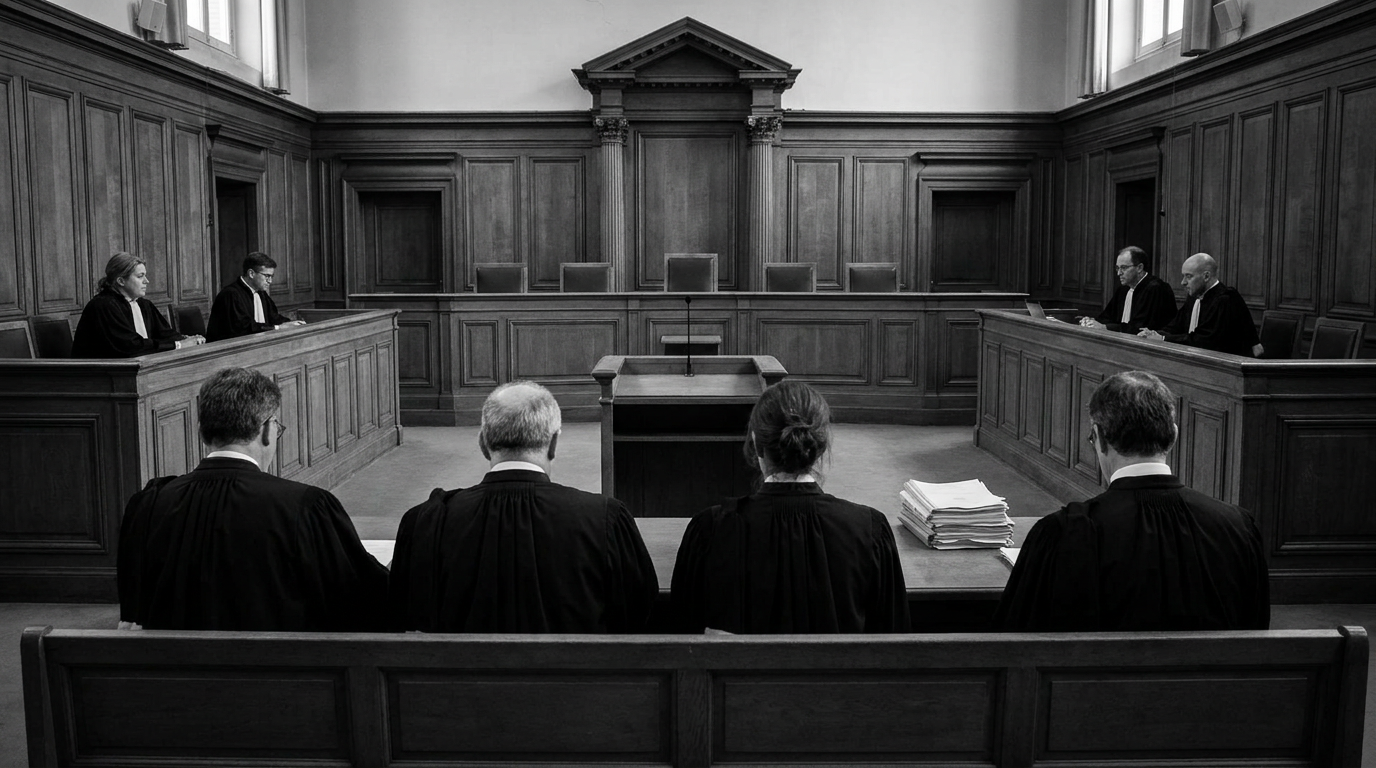
More than 50 lawyers and legal experts have warned that treating four Palestine Action protesters as having a terrorism connection at sentencing would breach basic legal principles, after the group was convicted of criminal damage at an Israeli arms manufacturer’s UK site.
The signatories, led by human rights lawyer Michael Mansfield KC, said a terrorism designation without a jury conviction for a terrorism offence would amount to what they called a “constitutional threat.” They argued it would effectively reclassify the offending after trial and blur the line between direct action and terrorism.
The four defendants — Charlotte Head, 29, Samuel Corner, 23, Leona Kamio, 30, and Fatema Rajwani, 21 — were found guilty last month of criminal damage linked to a 2024 incident at an Elbit Systems UK factory near Bristol. The trial judge, Mr Justice Johnson, is due to decide on Friday whether there was a terrorism connection to the offence.
If the judge finds such a connection, the four could face a tougher sentencing regime. The lawyers said it would mean serving a greater proportion of any sentence in prison than usual and being subject to lifelong police notification requirements about certain changes in personal circumstances.
Letter says jury was not asked to consider terrorism
In an open letter, the legal professionals said it would be “wrong in principle” to introduce a terrorism link at sentencing when the jury was not presented with that possibility during the trial. They said the defendants were not able to explain their motivations to the jury, and argued that a core principle of the justice system is that people should not be treated as convicted of an offence for which they were not charged.
The letter said that “blurring the distinction between principled direct action and terrorism is the hallmark of authoritarian regimes,” citing past protest movements as examples of direct action being distinct from terrorism.
Judicial spokesperson points to independence and sentencing rules
A judicial spokesperson said judges decide cases based on the evidence and arguments presented, and apply the law as it stands. The spokesperson added that judges and magistrates sentence according to the law set by Parliament, the Sentencing Council’s guidelines, and the facts of each case, including any aggravating or mitigating factors.
The judge’s decision on whether there was a terrorism connection is expected on Friday, and will determine the sentencing framework applied in the case.