Oil Prices Stabilize Amid Hormuz Closure Concerns
Oil prices stable March 16 amid Strait of Hormuz closure, drone attack on Dubai airport, and escalating Middle East tensions.
Lauren Collins ·
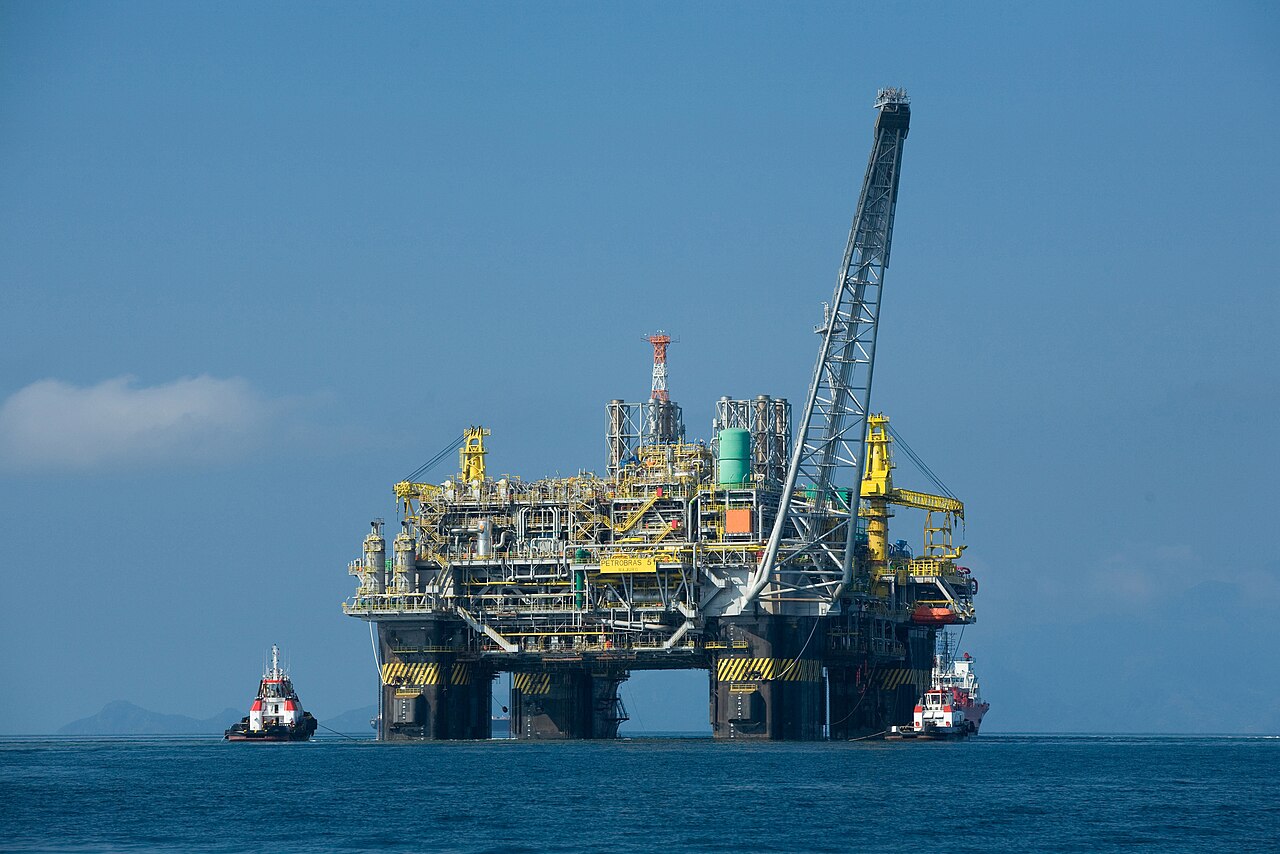
Global oil prices demonstrated stability on Monday, March 16, despite escalating geopolitical tensions in the Middle East. Brent crude, a key international benchmark, initially saw an increase to $106.50 per barrel before concluding the trading day at $103.73. Concurrently, gold experienced a brief decline below $5,000 per troy ounce, subsequently recovering to $5,003.
Geopolitical Tensions Escalate
The Strait of Hormuz, a critical maritime chokepoint for global energy supplies, remained closed, contributing to market uncertainty. This closure followed a drone attack that impacted Dubai International Airport, a significant regional aviation hub. The incident involved a fire at nearby fuel storage facilities, underscoring the volatile security environment.
International Responses and Diplomacy
In response to the ongoing situation, then-U.S. President Donald Trump initiated discussions regarding the formation of an international coalition aimed at reopening the Strait of Hormuz. President Trump also issued a warning to NATO member states, emphasizing the potential consequences should they decline to support U.S. efforts in this endeavor. This diplomatic push highlights the strategic importance of the waterway to global trade and energy security.
Regional Perspectives and Alliances
Conversely, Japan's Prime Minister Sanae Takaichi publicly stated that Japan had no immediate intentions of deploying naval assets to escort commercial shipping through the strait. This position indicates a divergence in international approaches to the regional crisis.
Meanwhile, Saudi Arabia and the United Arab Emirates jointly condemned recent attacks attributed to Iran against Gulf states, characterizing these actions as a serious escalation that jeopardizes broader regional stability and security.
Economic and Security Implications
The closure of Dubai International Airport, a vital connection point for international travel and commerce, further exacerbated concerns about regional stability. The drone attack on its fuel tanks not only disrupted air traffic but also signaled a heightened threat to critical infrastructure.
The broader implications of these events include potential disruptions to global supply chains and increased insurance premiums for shipping through the region, impacting various sectors from energy to logistics. The sustained closure of the Strait of Hormuz, through which a substantial portion of the world's seaborne oil passes, could lead to significant upward pressure on energy prices and broader economic instability if not resolved swiftly through diplomatic or other means.
Outlook on Regional Stability
The current geopolitical climate in the Middle East remains highly sensitive, with various regional and international actors navigating complex security and economic interests. The interplay between military actions, diplomatic initiatives, and economic pressures will continue to shape the trajectory of oil prices and regional stability in the coming weeks. Market participants are closely monitoring developments for any signs of de-escalation or further intensification of tensions.
Implications
Country Impact: The U.S. sought international cooperation to secure the Strait of Hormuz, while Japan opted against naval deployment, highlighting differing national interests in regional security. Saudi Arabia and the UAE condemned Iranian actions, signaling a unified stance against perceived threats.
Industry Impact: The closure of Dubai International Airport disrupted global aviation and logistics, while the Strait of Hormuz closure threatened oil and gas shipping, potentially increasing costs and supply chain vulnerabilities across multiple industries.
Market Impact: Oil prices showed initial volatility before stabilizing, reflecting market sensitivity to Middle East tensions. Gold, a safe-haven asset, saw fluctuations, indicating investor uncertainty regarding geopolitical risks and their economic fallout.