Trump Weighs Xi Summit Delay Amid Iran Tensions
Donald Trump is considering delaying his summit with Chinese President Xi Jinping due to Iran conflict concerns impacting global oil prices.
Lauren Collins ·
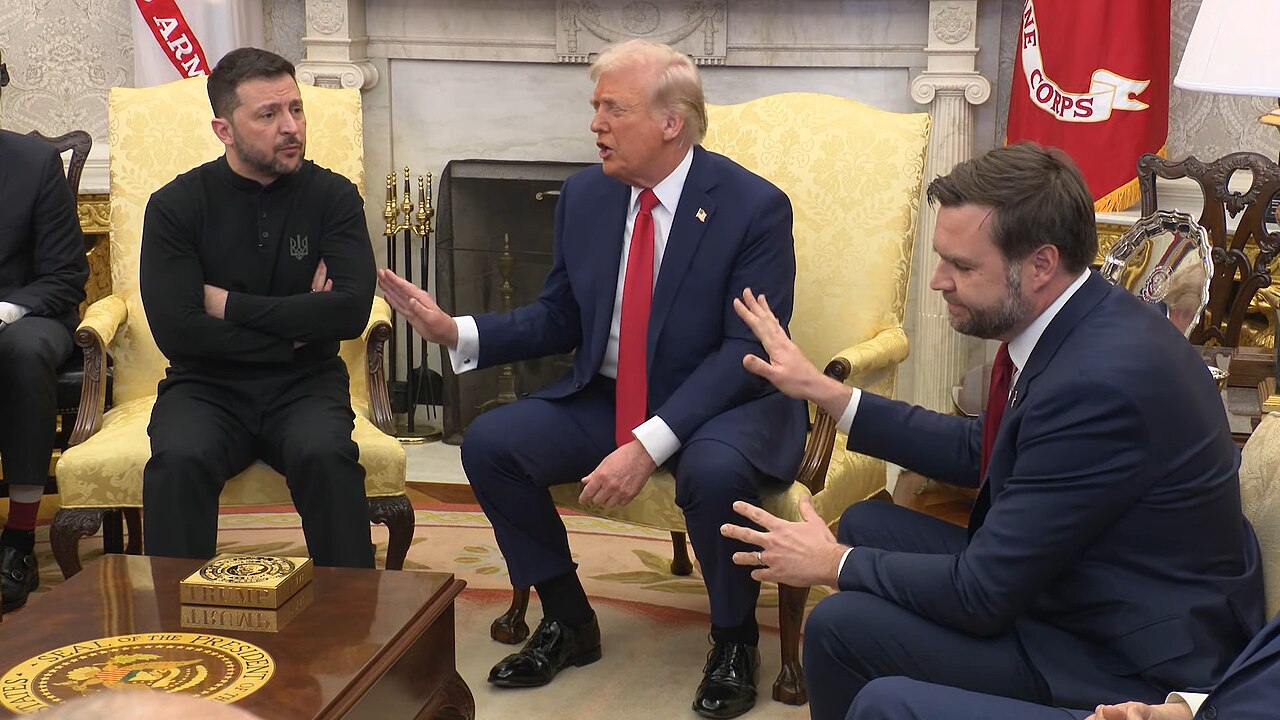
Former U.S. President Donald Trump is reportedly considering a postponement of his upcoming summit with Chinese President Xi Jinping in Beijing. The potential delay, surfacing two weeks before the scheduled meeting, is attributed to escalating concerns over the conflict in Iran and its broader implications for global oil markets.
This development follows preparatory discussions held in Paris between U.S. Treasury Secretary Scott Bessent and Chinese Vice-Premier He Lifeng. These talks were intended to establish a foundation for improved bilateral relations ahead of the leaders' meeting.
Summit Invitation and Context
The invitation for the summit was extended by President Xi to Mr. Trump during their previous encounter in Busan, South Korea, in October. The proposed meeting aimed to foster direct engagement between the two leaders amidst complex geopolitical dynamics.
China, a significant importer of Iranian oil, had not previously indicated any desire to delay the summit, even as tensions in the Middle East intensified. The country's economic stability is closely tied to consistent energy supplies.
Geopolitical Considerations
Analysts suggest that Beijing views direct dialogue with Mr. Trump as a critical mechanism for maintaining stability in the U.S.-China relationship. A postponement could offer China a temporary reprieve from having to take a definitive public stance on the Iran conflict, which presents a delicate diplomatic challenge.
However, a complete cancellation of the summit would likely be perceived negatively by both sides, potentially undermining efforts to project bilateral stability. Such an outcome could introduce further uncertainty into the already complex relationship between the world's two largest economies.
Impact on Bilateral Relations
The decision regarding the summit's timing carries significant weight for the future trajectory of U.S.-China relations. Both nations are navigating a period marked by economic competition, technological rivalry, and differing approaches to international governance.
Any adjustment to the high-level diplomatic calendar could signal shifts in strategic priorities or responses to evolving global crises. The outcome will be closely watched by international observers for indications of future engagement between Washington and Beijing.
Implications
Country Impact: A delay could offer China diplomatic flexibility regarding the Iran conflict, potentially avoiding immediate pressure to align with either side. For the U.S., it signals a prioritization of Middle East stability over immediate high-level engagement with China.
Industry Impact: Uncertainty surrounding the summit, particularly if linked to Middle East tensions, could contribute to volatility in global oil markets. Energy-intensive industries may face increased price risks.
Market Impact: Financial markets may react to perceived instability in U.S.-China relations or heightened geopolitical risks. A postponement could introduce caution among investors monitoring trade and diplomatic developments.