US B-52s Strike Iran Cities in 'Epic Fury' Operation
US B-52 bombers conducted strikes across Iranian cities on March 14-15, 2026, as part of "Operation Epic Fury," confirmed by CENTCOM.
Lauren Collins ·
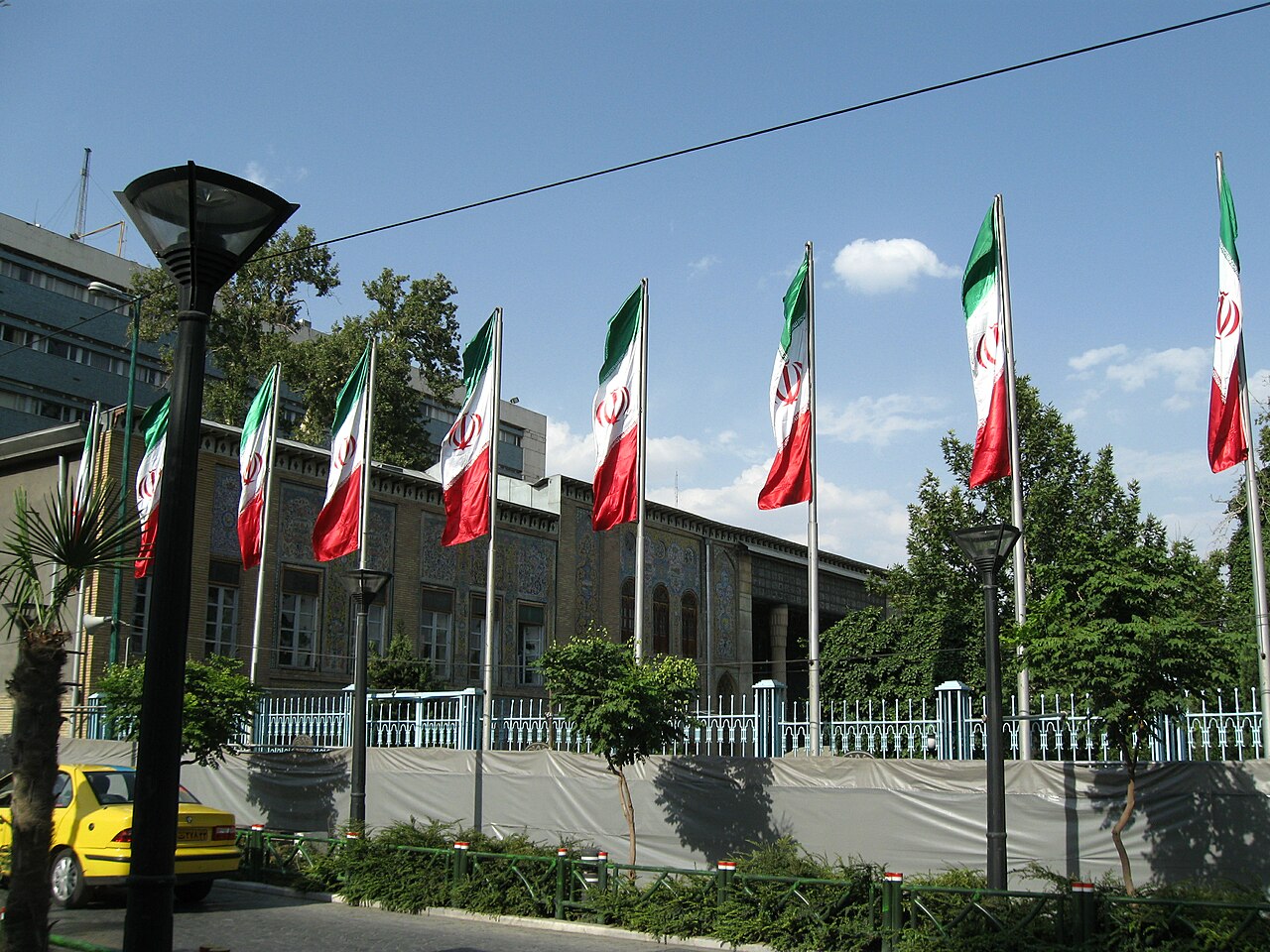
The United States Central Command (CENTCOM) confirmed that B-52 Stratofortress bombers executed strikes across multiple Iranian cities over the weekend. The operation, designated "Epic Fury," occurred on the nights of Saturday, March 14, and Sunday, March 15, 2026. This action marks a significant escalation in regional tensions.
Reports from various locations within Iran detailed explosions in major urban centers, including Tehran, Shiraz, and Isfahan. Eyewitness accounts, cited by London-based Iran International, described the blasts as "very heavy" and "powerful." Residents in southern Tehran reported direct impacts.
Details of the Strikes
Near Shiraz, one eyewitness indicated approximately 20 explosions within a 20-minute timeframe. Further reports specified detonations near Shiraz airport and a nearby airbase. Video footage also emerged, purportedly showing substantial smoke plumes originating from Jask Port in Hormozgan on Saturday night and from Isfahan.
CENTCOM released a video early Sunday, confirming the deployment of B-52 aircraft for a "night mission" targeting Iranian locations. The full scope of damage and any potential casualties resulting from these coordinated strikes has not yet been officially confirmed by either side.
Strategic Context and Implications
These military actions by the United States against Iranian targets represent a critical development in the geopolitical landscape of the Middle East. The use of B-52 strategic bombers, known for their long-range capabilities and capacity to deliver large payloads, signals a deliberate and forceful projection of power.
The timing of these strikes, occurring over a weekend, suggests a calculated effort to maximize operational surprise and impact. While the specific objectives of "Operation Epic Fury" have not been fully disclosed, such actions typically aim to degrade military capabilities, deter further aggression, or respond to prior provocations.
Regional and Global Repercussions
The unconfirmed extent of damage and casualties leaves open questions regarding Iran's potential response and the broader implications for regional stability. International observers will be closely monitoring official statements from both Washington and Tehran, as well as any reactions from allied and rival nations in the Middle East.
This event could trigger significant shifts in global energy markets, given Iran's strategic location and its influence over key shipping lanes. Furthermore, the strikes may prompt a re-evaluation of security postures across the region and potentially influence diplomatic efforts aimed at de-escalation.
Implications
Country Impact: Iran faces immediate security challenges and potential internal instability following the strikes. The government's response will be crucial in shaping domestic and international perceptions, potentially leading to heightened nationalistic sentiment or calls for retaliation.
Industry Impact: The energy sector, particularly oil and gas, is highly susceptible to volatility. Disruptions in the Middle East, a major global energy supplier, could lead to price spikes and supply chain uncertainties, impacting global economic stability.
Market Impact: Global financial markets are likely to react with increased risk aversion. Equities may decline, while safe-haven assets like gold and government bonds could see inflows. Oil prices are expected to rise, reflecting geopolitical risk premiums.