WHO Reports 12 Healthcare Workers Killed in Lebanon
WHO reports 12 healthcare workers killed in a strike on a primary healthcare center in southern Lebanon, bringing the 24-hour total to 14.
Lauren Collins ·
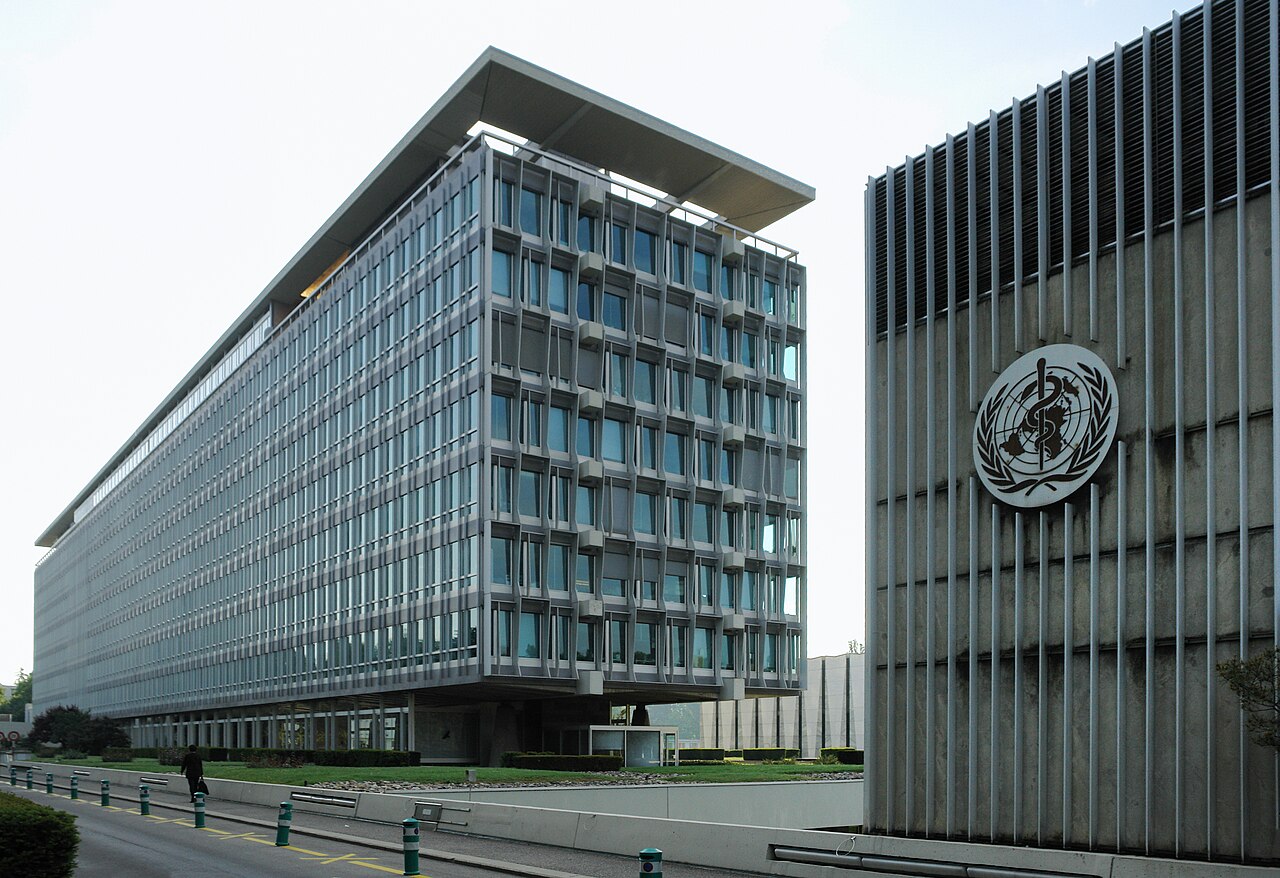
The World Health Organization (WHO) confirmed on Saturday the deaths of 12 medical professionals in a strike on a primary healthcare center in southern Lebanon. Director-General Tedros Adhanom Ghebreyesus stated that the incident, which occurred late Friday at the Bourj Qalaouiyeh facility, involved doctors, paramedics, and nurses.
This event brought the total number of healthcare worker fatalities in southern Lebanon to 14 within a 24-hour period. An earlier attack on a health facility in Al Sowana had resulted in the deaths of two paramedics, underscoring the escalating risks faced by medical personnel in the region.
Escalating Regional Conflict
The strikes are part of an ongoing military campaign by Israel targeting Hezbollah positions in Lebanon. This broader conflict has led to significant casualties and displacement, with over 770 reported deaths and hundreds of thousands of individuals forced from their homes. In response, Hezbollah has conducted numerous rocket attacks across the border into Israel.
Impact on Healthcare Infrastructure
The targeting of medical facilities and personnel raises serious concerns about the protection of healthcare in conflict zones. International humanitarian law mandates the neutrality and protection of medical services, including hospitals, clinics, and staff, during armed conflicts. These recent incidents highlight the severe challenges in upholding these principles amidst intense hostilities.
Humanitarian Crisis Deepens
The continuous military actions have exacerbated the humanitarian situation in southern Lebanon. The destruction of infrastructure, coupled with the loss of medical staff, severely hampers the ability of aid organizations to provide essential services to affected populations. Displaced individuals often face precarious living conditions, lacking access to adequate shelter, food, and medical care.
International Calls for Protection
International bodies, including the WHO, have repeatedly called for the protection of civilians and healthcare workers in conflict areas. Such appeals emphasize the critical need for all parties to adhere to international humanitarian law and ensure safe access for humanitarian assistance. The ongoing violence continues to threaten regional stability and the well-being of millions.
Broader Geopolitical Context
The conflict between Israel and Hezbollah is a long-standing geopolitical issue, frequently intensifying in response to regional developments. The current escalation reflects broader tensions in the Middle East, with implications for international diplomacy and security efforts. The international community remains focused on de-escalation and the establishment of a lasting ceasefire to prevent further loss of life and regional destabilization.
Implications
Country Impact: Lebanon faces a deepening humanitarian crisis, with critical healthcare infrastructure and personnel under severe threat. The displacement of hundreds of thousands of citizens strains national resources and exacerbates social instability.
Industry Impact: The healthcare sector in southern Lebanon is severely impacted, with facilities damaged and medical staff killed, hindering the provision of essential services. This creates significant challenges for international aid organizations operating in the region.
Market Impact: The ongoing conflict contributes to regional instability, potentially impacting energy markets and investor confidence in the broader Middle East. Increased geopolitical risk could lead to capital flight and disruptions in trade routes.