Trump Surprised by Iran's Gulf Attacks on Allies
Donald Trump expressed surprise over Iran's attacks on U.S. allies in the Gulf, highlighting regional security concerns and diplomatic efforts.
Lauren Collins ·
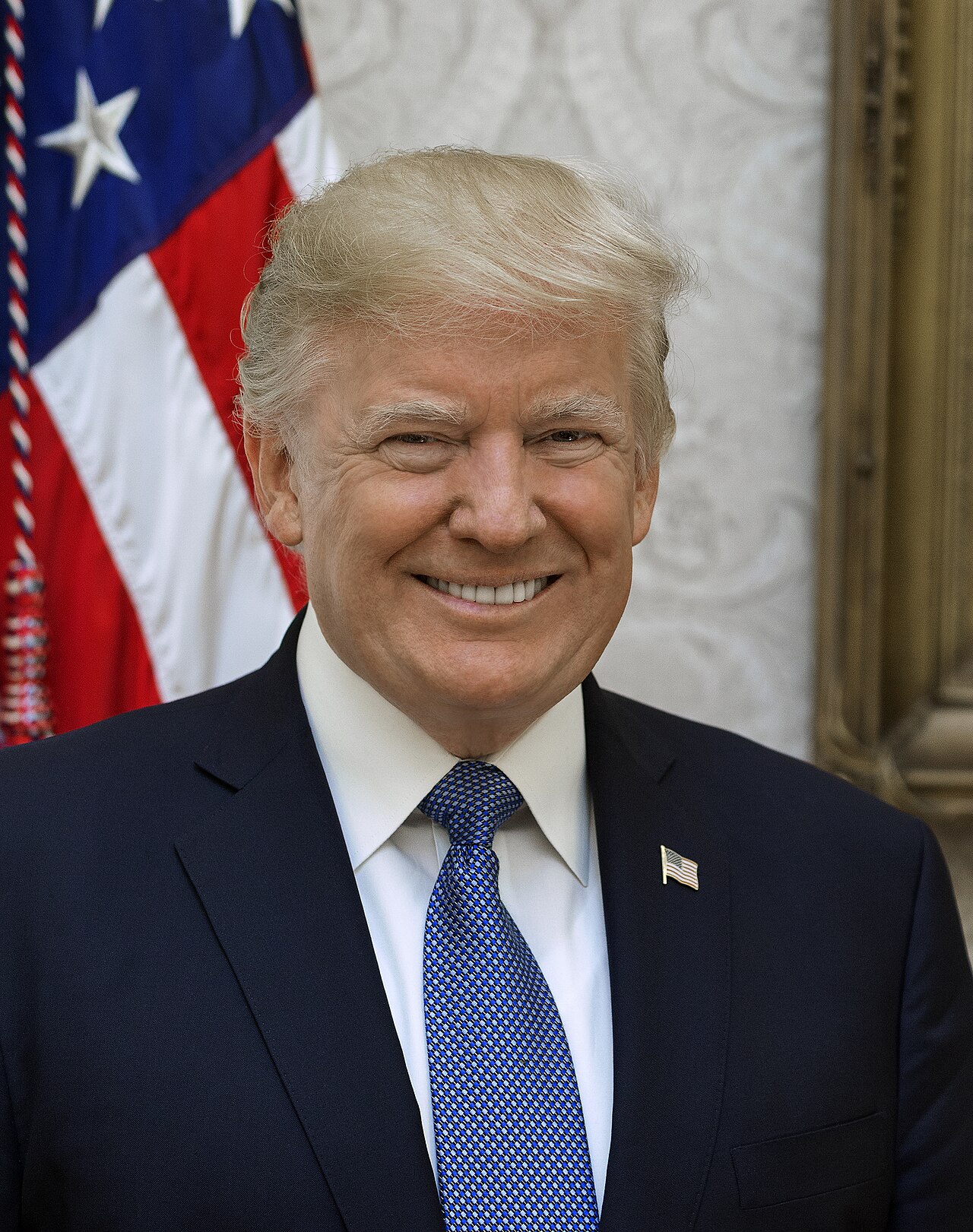
Former U.S. President Donald Trump recently voiced astonishment regarding Iran's aggressive actions against American allies in the Persian Gulf. He characterized these attacks as unwarranted, noting that the affected nations were "shot at unnecessarily." This statement was made during an interview with NBC News, highlighting a perceived disconnect between regional dynamics and U.S. expectations.
For an extended period, Gulf Cooperation Council (GCC) member states, including Bahrain, Kuwait, Saudi Arabia, the United Arab Emirates, Qatar, and Oman, have maintained close security ties with the United States. These relationships are underpinned by the presence of U.S. military installations and substantial purchases of American defense equipment, solidifying the U.S. role as a primary security guarantor in the region.
Regional Security Concerns Emerge
Despite these long-standing alliances, reports indicate that Gulf states are increasingly apprehensive about their position amidst escalating regional tensions. Their concerns stem from the potential for their territories to become battlegrounds in a broader conflict, even as they pursue diplomatic avenues to de-escalate hostilities.
These nations have reportedly communicated assurances to Tehran, emphasizing that their sovereign lands would not be utilized as staging grounds for offensive operations against Iran. This diplomatic outreach underscores a delicate balancing act, as Gulf states seek to maintain security partnerships while avoiding direct entanglement in a wider confrontation.
Iran's Escalating Regional Actions
Iran has been implicated in numerous attacks across the region, deploying a significant arsenal of drones and missiles. These projectiles have targeted various critical infrastructure sites, contributing to an environment of instability and heightened security risks for neighboring countries.
Such actions have prompted a re-evaluation of regional security postures and diplomatic strategies among Gulf nations. The ongoing deployment of advanced weaponry by Iran, coupled with its willingness to use these capabilities, presents a persistent challenge to regional stability and international shipping lanes.
U.S. Policy and Alliance Dynamics
Trump's comments reflect a broader discussion within U.S. foreign policy circles regarding the effectiveness and implications of American security commitments in the Middle East. The former president's surprise suggests a potential divergence in understanding the complex interplay between regional actors and the consequences of their actions on U.S. allies.
The situation underscores the intricate nature of alliances, where partners may pursue independent diplomatic strategies to mitigate risks, even while relying on a larger power for security. The balance between deterrence, diplomacy, and the protection of national interests remains a critical challenge for all parties involved in the Persian Gulf region.
Implications
Country Impact: Gulf states face a complex security dilemma, balancing alliances with the U.S. against the need to de-escalate tensions with Iran. Their diplomatic efforts aim to prevent their territories from becoming direct targets in regional conflicts.
Industry Impact: The defense industry could see continued demand for advanced missile defense systems and surveillance technologies in the Gulf region. Energy markets remain sensitive to any escalation, given the region's critical role in global oil and gas supplies.
Market Impact: Geopolitical risk premiums on oil prices could fluctuate based on perceived escalation or de-escalation in the Gulf. Investor confidence in regional markets may be impacted by ongoing security concerns and the stability of international shipping routes.