US Orders Offshore Oil Restart in California
The US Energy Secretary ordered Sable Offshore Corp. to restart California oil operations using the Defense Production Act, aiming to boost energy security.
Lauren Collins ·
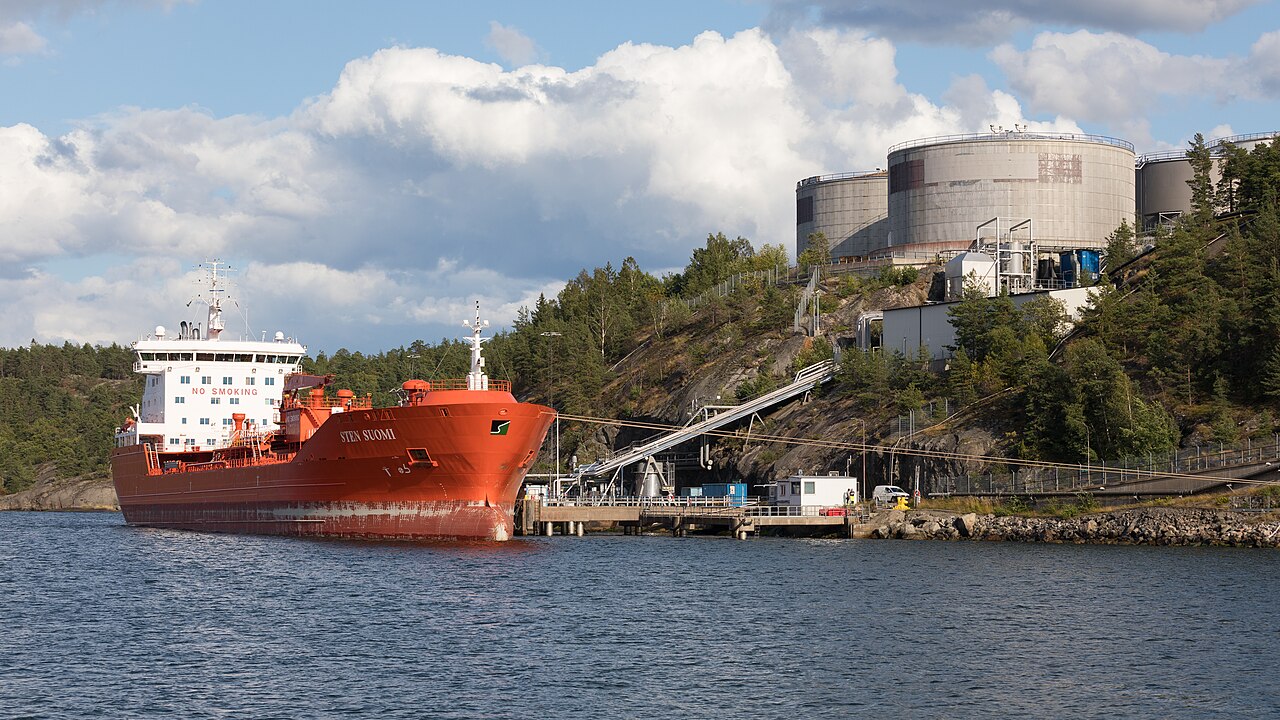
The United States government has mandated the resumption of oil and gas production off the coast of Southern California. Energy Secretary Chris Wright issued a directive on Friday, March 14, 2026, compelling Sable Offshore Corp. to reactivate its operations. This action utilizes the Defense Production Act, aiming to bolster national energy security and ensure consistent fuel supplies for military facilities on the West Coast.
The directive specifically targets the Santa Ynez unit, an offshore complex that includes three drilling platforms, associated pipelines, and the Las Flores Canyon Processing Facility. This infrastructure, which has a production capacity of approximately 50,000 barrels of oil per day, was previously idled following damage from an oil spill in 2015. The federal government projects that restoring these operations will displace nearly 1.5 million barrels of foreign crude imports each month.
Federal Mandate and Energy Security
The invocation of the Defense Production Act underscores the federal administration's focus on domestic energy output. This legislative tool allows the President to prioritize and allocate materials, services, and facilities to promote national defense. In this instance, it is being applied to address perceived vulnerabilities in the nation's energy supply chain, particularly for strategic military assets.
The Santa Ynez unit's history includes a significant environmental incident in 2015, which led to its shutdown. The current federal order seeks to override previous operational halts and legal challenges by emphasizing the strategic importance of the facility's output. The unit's capacity represents a notable contribution to domestic crude oil production, particularly for the West Coast market.
State Opposition and Legal Challenges
California Governor Gavin Newsom has strongly criticized the federal directive, labeling it an attempt to illegally restart operations. Governor Newsom highlighted ongoing criminal charges against the pipeline operators and existing court orders that prohibit the resumption of activities. The state of California has consistently asserted its regulatory authority over these offshore pipelines.
In January 2026, California initiated legal proceedings against the federal government concerning the approval of Sable Offshore's restart plans. This lawsuit reflects a broader conflict between state environmental regulations and federal energy policy. The state's position emphasizes environmental protection and adherence to judicial mandates, while the federal government prioritizes energy independence and national security.
Economic and Environmental Implications
The resumption of operations at the Santa Ynez unit carries significant economic and environmental implications. Economically, it could reduce reliance on imported oil, potentially stabilizing regional fuel prices and supporting domestic energy sector jobs. Environmentally, the decision reignites concerns about offshore drilling risks, particularly given the unit's past incident.
The conflict between federal and state authorities highlights the complex interplay between energy policy, environmental stewardship, and legal jurisdiction in the United States.
Implications
Country Impact: The directive highlights a federal-state conflict over energy policy and environmental regulation, potentially leading to further legal battles and impacting national energy independence efforts. It underscores the federal government's willingness to use emergency powers for energy security.
Industry Impact: The oil and gas industry may see this as a precedent for federal intervention to overcome state-level opposition to energy projects, potentially encouraging investment in domestic production. However, it also signals increased regulatory uncertainty due to ongoing legal challenges.
Market Impact: The projected increase in domestic oil supply could exert downward pressure on West Coast crude prices and reduce regional reliance on imports. However, market stability could be undermined by the legal and political disputes surrounding the project's long-term viability.