US Aircraft Crash in Iraq, French Soldier Killed
A US refueling aircraft crashed in Iraq, while a French soldier was killed in Erbil, escalating Middle East tensions and impacting global markets.
Lauren Collins ·
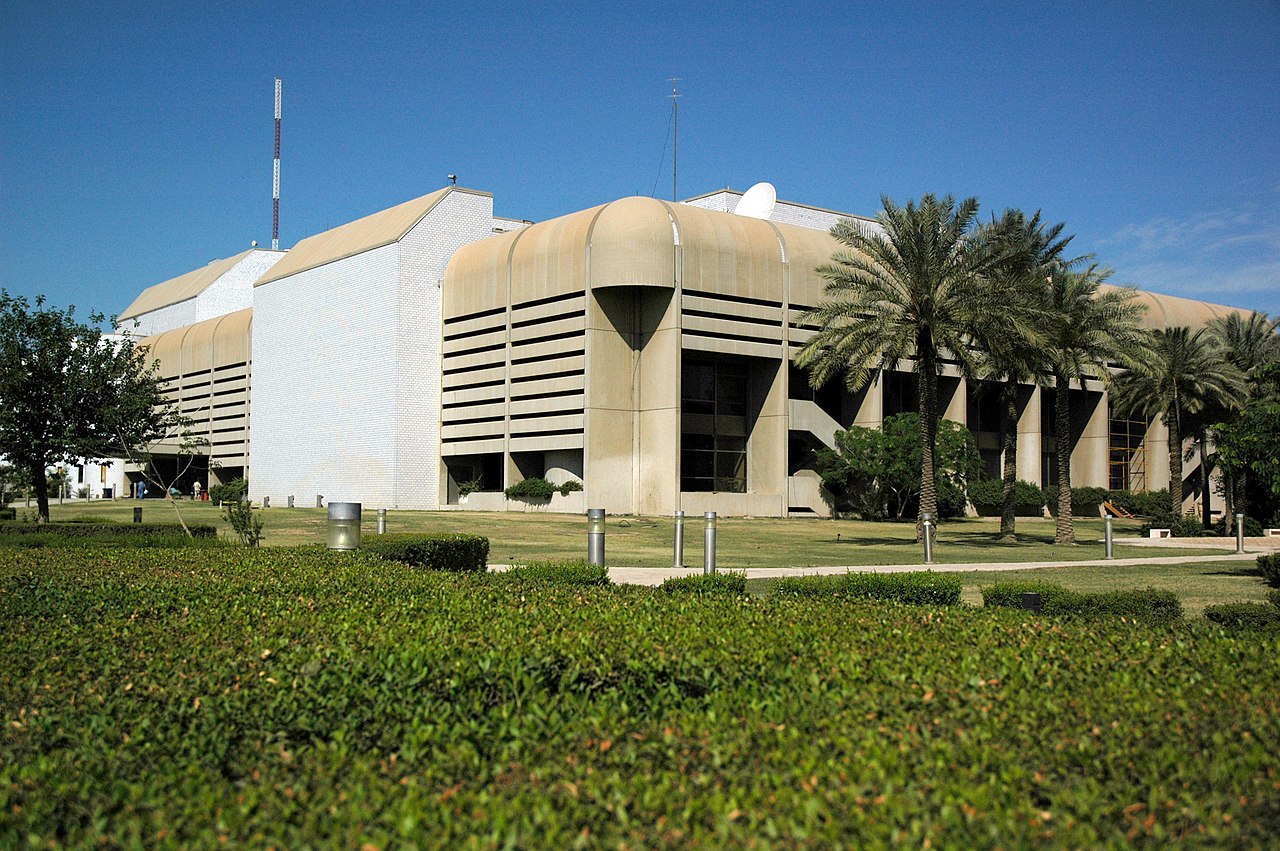
A United States refueling aircraft, carrying five crew members, crashed in Iraq on Thursday, March 12, 2026. U.S. Central Command confirmed the incident, stating it occurred within "friendly airspace" and was not a result of hostile action or friendly fire. The specific cause of the crash has not yet been publicly disclosed.
Simultaneously, French President Emmanuel Macron announced the death of a French soldier, Chief Warrant Officer Arnaud Frion, following an attack in Erbil, located in Iraq's Kurdistan region. This incident represents the first French military casualty in the ongoing Middle East conflict. President Macron also noted that several other French service members sustained injuries in the same assault.
Middle East Tensions Escalate
The broader geopolitical landscape in the Middle East continues to exhibit heightened tensions, influencing global financial markets. Asian equities experienced declines on Friday, mirroring losses observed on Wall Street. Energy markets reacted with sustained high oil prices, as Brent crude traded at $97.22 per barrel, having recently exceeded the $100 mark.
Iran's Strategic Stance
Iran's Supreme Leader, Ayatollah Mojtaba Khamenei, reiterated the nation's commitment to the regional conflict. He emphasized Iran's intention to utilize the Strait of Hormuz, a vital global chokepoint for oil and gas shipments, as leverage against the United States and Israel. This strategic waterway has recently experienced notable disruptions to maritime traffic.
International Coalition Operations
The French military presence in Iraq is part of an international coalition dedicated to combating ISIS. President Macron condemned the attack in Erbil as "unacceptable," highlighting the coalition's efforts against the extremist group since 2015. The incident underscores the persistent security challenges faced by international forces operating in the region.
Economic and Political Repercussions
The dual incidents — the U.S. aircraft crash and the French military fatality — occur amidst a complex and volatile regional environment. The ongoing instability has direct implications for global energy security and international trade routes, particularly those transiting the Persian Gulf. Political leaders are closely monitoring developments, with potential for further diplomatic and military responses.
Outlook on Regional Stability
Analysts are observing how these events might influence the dynamics between regional powers and international actors. The continued presence of foreign military personnel in Iraq, coupled with the stated intentions of nations like Iran regarding critical maritime passages, suggests that the Middle East will remain a focal point for global security and economic concerns in the near term. S.
aircraft crash and the response to the attack on French forces will be key indicators of future developments.
💊 Kapsül Analysis
📌 What Happened?
- A U.S. refueling aircraft crashed in Iraq on March 12, 2026, with five personnel aboard, in non-hostile airspace.
- A French soldier was killed and others wounded in an attack in Erbil, Iraq, confirmed by President Macron.
- Iran's Supreme Leader affirmed commitment to regional conflict and potential use of the Strait of Hormuz.
🔍 Why It Matters
- The incidents highlight persistent security risks for international forces in Iraq amidst regional instability.
- Iran's statements regarding the Strait of Hormuz signal potential disruptions to global energy supply chains.
- The events contribute to heightened geopolitical tensions in the Middle East, impacting international relations.
📈 Market & Political Impact
- **Market:** Global equities, particularly Asian shares, experienced declines; oil prices remained elevated, with Brent crude near $97.22/barrel.
- **Geopolitics:** Increased scrutiny on international military presence in Iraq and potential for escalation between regional and global powers.
- **Energy:** Risk of supply disruptions from the Strait of Hormuz could further impact global oil and gas markets.
👁️ What to Watch
- Investigation results into the U.S. aircraft crash and any official responses from the U.S. and Iraq.
- Further statements or actions from Iran regarding the Strait of Hormuz and its regional involvement.
- Reactions and potential policy adjustments from France and other coalition members regarding their presence in Iraq.
📋 Source Status
Multi-source
📊 Confidence
Level: High — Information is directly attributed to U.S. Central Command, French President Macron, and Iran's Supreme Leader.
Implications
Country Impact: Iraq faces continued security challenges, with international military presence remaining a target. The incidents could strain diplomatic relations and necessitate increased security measures for foreign personnel.
Industry Impact: The energy sector is particularly vulnerable, with elevated oil prices and potential disruptions to shipping through the Strait of Hormuz. Global supply chains reliant on Middle Eastern trade routes could experience further volatility.
Market Impact: Global financial markets, especially equities and commodities, are reacting to the heightened geopolitical risk. Investor sentiment is likely to remain cautious, impacting asset prices and potentially leading to capital reallocation towards safer assets.