Middle East Turmoil Clouds Global Economic Forecast for 2027
Global economic expansion is now projected to hit 2.9% by 2026, but the 2027 outlook has been downgraded amid Middle East conflict uncertainty.
Atlas Newsdesk ·
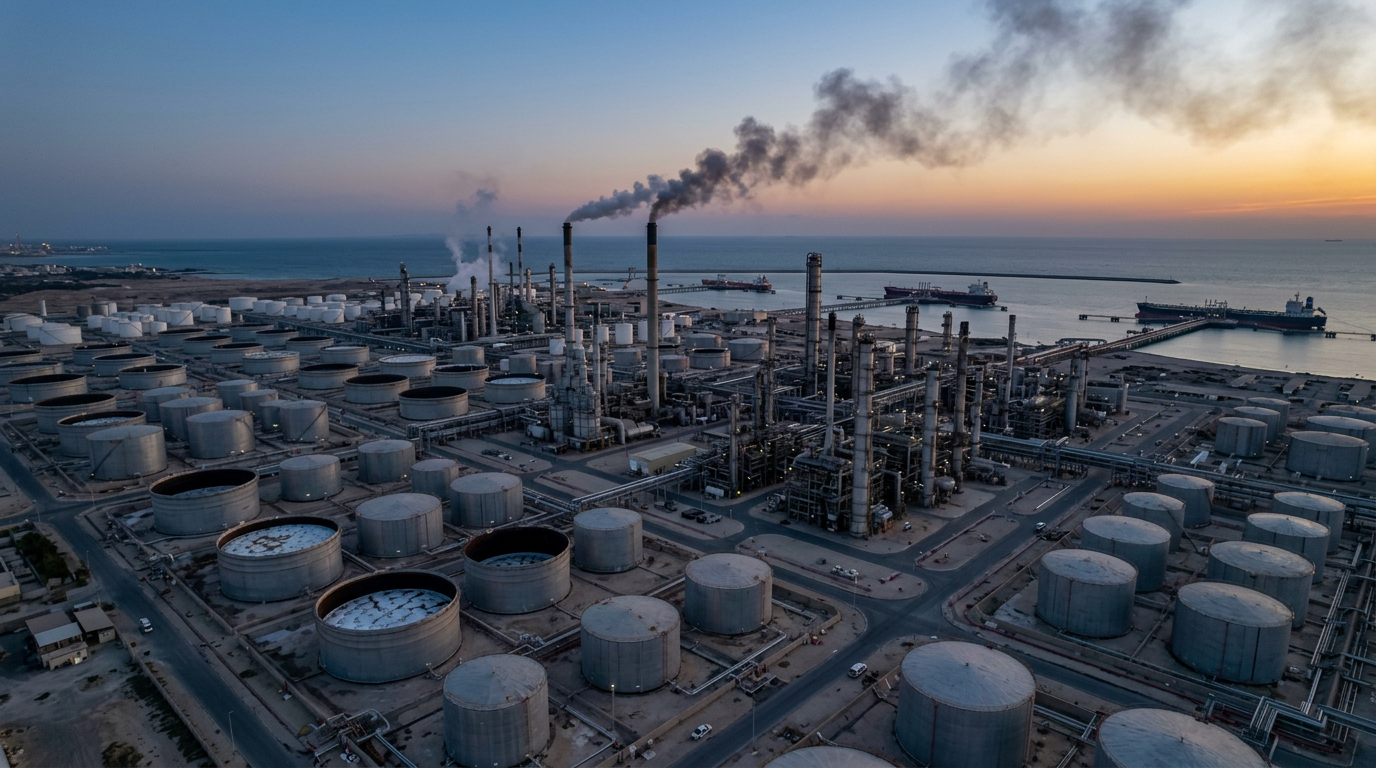
Global economic expansion is forecast to reach 2.9% by 2026, marking a slight increase of 0.1 percentage points from previous estimates in June. However, the economic projection for 2027 has been revised downwards to 3.0% from an earlier 3.1%. This adjustment primarily reflects the continuing uncertainties stemming from the conflict in the Middle East.
Energy markets remain volatile, with rising oil and gas prices posing a risk of increased global inflationary pressures. While strategic reserve releases and efforts towards fuel diversification have eased immediate supply issues, prolonged instability could negatively impact future economic growth trajectories.
Key Economic Challenges Emerge
Additional economic headwinds include the potential impact of an extreme El Niño weather pattern, which could disrupt agricultural production and destabilize food prices. Globally, rising government bond yields and a possible correction in the valuation of the artificial intelligence sector present significant challenges to financial stability.
For the United States, the International Monetary Fund (IMF) has adjusted its 2026 real GDP growth forecast upward to 2.1% from 2.0%. Concurrently, the inflation (CPI) projection for the U.S. in 2026 has been lowered to 2.4% from 2.7%, and the unemployment rate forecast decreased to 4.1% from 4.2%.
Advanced Economies Face Debt Pressures
In the United Kingdom, economic growth forecasts for 2026 have been upgraded to 1.1%, attributed to government fiscal interventions. Nevertheless, high borrowing costs continue to constrain the broader macroeconomic landscape there. Advanced economies universally face the ongoing challenge of managing increasing debt-to-GDP ratios.
The combination of geopolitical tensions, fluctuating energy prices, and systemic financial risks creates a complex environment for global policymakers. Proactive measures are deemed essential to mitigate these factors and sustain economic stability as countries navigate these multifaceted challenges.