Microsoft takes a regional bet on a physical Minecraft theme park and hotel
Chessington World of Adventures is building a Minecraft land and hotel, marking the franchise's largest push into physical entertainment.
Jason Kwon ·
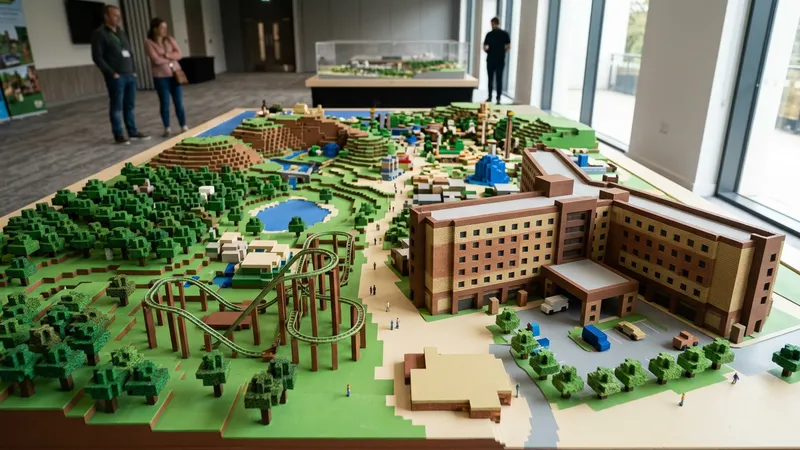
Microsoft’s block-building franchise is making the literal leap into concrete and steel. Next year, the UK’s Chessington World of Adventures will open a £50 million dedicated Minecraft land, complete with a themed rollercoaster and a hotel, according to a report from The Sun .
The expansion, which Chessington frames as the first of its kind globally, pushes one of the most lucrative digital properties into the high-margin, capital-intensive world of location-based entertainment. For Microsoft and developer Mojang, the move is less about selling more copies of a game that has already saturated the global market, and more about extracting generational revenue from an aging player base that now has vacation budgets of its own.
The licensing math behind physical brick and mortar
Building a digital dirt house is essentially free; building a physical hotel shaped like one requires actual capital. The £50 million investment outlined in the report is a significant capital expenditure for a regional UK theme park, but it represents a highly calculated, relatively low-risk licensing play for the intellectual property holder.
Historically, when a video game publisher wanted to monetize its brand offline, it printed apparel, licensed plastic toys, or greenlit a questionable feature film. Today, the ultimate expression of IP dominance is the theme park footprint. But unlike the digital games business—where the cost of distributing the next copy is virtually non-existent—theme parks are an operational gauntlet of heavy machinery maintenance, spilled drinks, and staffing costs.
By partnering with an established operator like Chessington, Microsoft collects the licensing fees and the brand halo effect without having to actually run a hospitality business. The inclusion of a branded hotel alongside the rollercoaster is the real revenue engine here. Theme park operators know that capturing multi-day destination spending—where families pay premium rates for immersive, themed rooms—drives vastly higher margins than selling single-day gate tickets to local residents. If you have ever wondered why your digital skin costs so much, this is the physical infrastructure that kind of brand power eventually buys.
A regional footprint offers a different scale of risk
The most obvious comparison for this physical expansion is Super Nintendo World. Nintendo and Universal Studios chose a distinctly different path, pouring massive amounts of capital into sprawling, heavily engineered lands positioned inside tier-one global tourist destinations.
Microsoft’s reported strategy with Chessington is altogether different. At £50 million, this is a mid-market, regional play. It requires less land, less time to build, and far less risk than anchoring a flagship Universal park. If the financial math works in the UK, this scale of attraction is highly replicable. A blueprint of this size can be stamped out across regional parks globally in a way that a colossal mega-resort simply cannot. It allows the brand to test the waters of physical entertainment without betting the farm on a single global tourist hub.
The fundamental friction of putting an open-world sandbox on rails
The obvious read is that a Minecraft theme park is a guaranteed license to print money. The intellectual property is universally recognized, family-friendly, and visually distinct. But the translation from screen to physical space carries a structural risk that goes beyond budget overruns.
Minecraft’s entire cultural footprint is built on unbridled player agency. The core loop is about mining, crafting, destroying the environment, and building something entirely your own. A theme park, by definition, is the exact opposite. It is a heavily authored, strictly controlled, and entirely static environment. You sit in the cart, the restraint locks, and you go exactly where the track takes you.
The skeptic’s view is that slapping pixelated textures onto a standard steel rollercoaster fails to capture why players actually care about the game. If the physical land feels like a standard amusement park with a green and brown paint job rather than an interactive playground, it risks looking like a cynical move that dilutes the brand's core identity. The challenge for the designers is finding a way to make a passive ride feel like an active creative session.
What a themed hotel reveals about the franchise lifecycle
Ultimately, this development cements a broader shift in the entertainment economy: video game properties are actively replacing legacy film and television IP as the anchor tenants for heavy infrastructure investments.
For years, park operators chased the runaway success of major fantasy film franchises. Now, they are looking at the engagement metrics of interactive properties. Minecraft is old enough that its earliest players are well into adulthood and starting families of their own. The introduction of a dedicated hotel is a bet that nostalgia for a digital block world is now strong enough to dictate where a household chooses to spend a long weekend.
The test for Microsoft over the coming year is whether this specific UK execution sets the standard for its physical future. Watch how the company handles the inevitable secondary spend—branded food, physical merchandise, and exclusive in-game digital items tied to park attendance. If the margins hold, this land will merely be the first block placed in a much larger physical expansion.