Miami Cubans Skeptical of Trump's Cuba Policy
Miami's Cuban American community expresses skepticism over Trump's Cuba policy, fearing it may not achieve full political change.
Lauren Collins ·
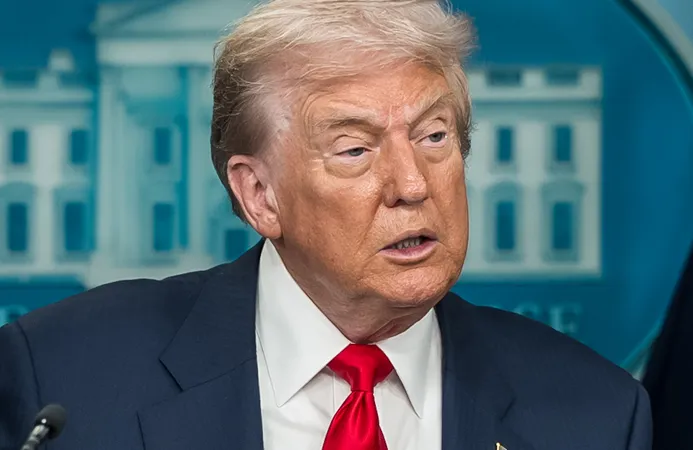
Segments of the Cuban American community in Miami have voiced concerns regarding the Trump administration's diplomatic engagements with Cuba. These apprehensions, which surfaced in mid-March, center on whether the ongoing discussions will lead to the comprehensive political reforms on the island that many exiles have long sought.
The administration's strategy reportedly aimed to dislodge Cuban President Miguel Díaz-Canel, but some fear it might not adequately address the enduring influence of the Castro family.
US Diplomatic Efforts and Cuban Response
The Trump administration initiated a campaign of pressure alongside discreet negotiations with Havana. The objective of these efforts was to instigate political change within Cuba. However, conservative Cuban exiles, who have historically advocated for a complete democratic transition, are expressing skepticism that these current diplomatic maneuvers will meet their expectations for fundamental systemic shifts.
Reports have indicated the involvement of Raúl Guillermo Rodríguez Castro, a grandnephew of Fidel Castro, in these negotiations. This detail has fueled concerns among some Cuban Americans that the talks could inadvertently legitimize or perpetuate the Castro family's influence, rather than dismantle it entirely.
This situation has generated unease among certain Republican political figures in South Florida, who, while generally supportive of the former President's broader foreign policy, are now questioning the specifics of the Cuba strategy.
Exile Community's Demands
Local leaders, including Hialeah, Florida Mayor Bryan Calvo, have publicly stressed the importance of removing both President Díaz-Canel and the broader influence of the Castro family. Their advocacy centers on the establishment of free and fair elections, leading to a democratic transition in Cuba. This position reflects a long-standing demand within the exile community for a complete overhaul of the Cuban political system.
Historically, the Cuban American community in South Florida has been a significant political force, particularly regarding U.S. policy towards Cuba. Their perspectives often emphasize human rights, political freedom, and economic liberalization for the island nation. Past U.S. administrations have frequently calibrated their Cuba policies in response to these community sentiments.
Cuba's Economic Adjustments
In response to its own economic difficulties, the Cuban government has announced limited reforms. One notable change includes plans to permit foreign investment from Cubans residing abroad, including those in the United States. This move represents one of the few significant policy adjustments from Havana, primarily aimed at attracting much-needed capital and remittances to bolster its struggling economy.
This economic opening, however, is viewed by some in the exile community as insufficient, arguing that it does not address the core political and human rights issues. The divergence between the Cuban government's economic adjustments and the exile community's demands for political transformation highlights the complex and often conflicting objectives at play in U.S.-Cuba relations.
Outlook on Future Policy
The ongoing discussions and the reactions from the Cuban American community underscore the intricate challenges in formulating U.S. policy towards Cuba. Any future policy decisions will likely need to balance diplomatic engagement with the persistent demands for democratic change and human rights from influential exile groups. The effectiveness of any strategy will be judged by its ability to achieve tangible political reforms on the island.
Implications
Country Impact: The United States' foreign policy towards Cuba faces scrutiny, particularly from the influential Cuban American community in Florida, potentially impacting future electoral dynamics in key swing states. Cuba's government is attempting limited economic reforms to attract foreign capital, but these are not addressing core political demands.
Industry Impact: The Cuban government's move to allow foreign investment from its diaspora could open limited opportunities for Cuban American businesses, though political uncertainties and U.S. sanctions remain significant barriers. Tourism and remittance flows could see minor adjustments based on policy shifts.
Market Impact: Financial markets are unlikely to see significant direct impact from these developments, given the limited scale of U.S.-Cuba economic ties. However, any substantial shift in U.S. sanctions policy could indirectly affect specific sectors or investment flows into the Caribbean region.