Oil Prices Surge Amid Gulf Tensions, Altering Energy Fortunes
Geopolitical tensions in the Gulf, particularly affecting the Strait of Hormuz, have driven Brent crude up 22% and reshaped energy company earnings.
Atlas Newsdesk ·
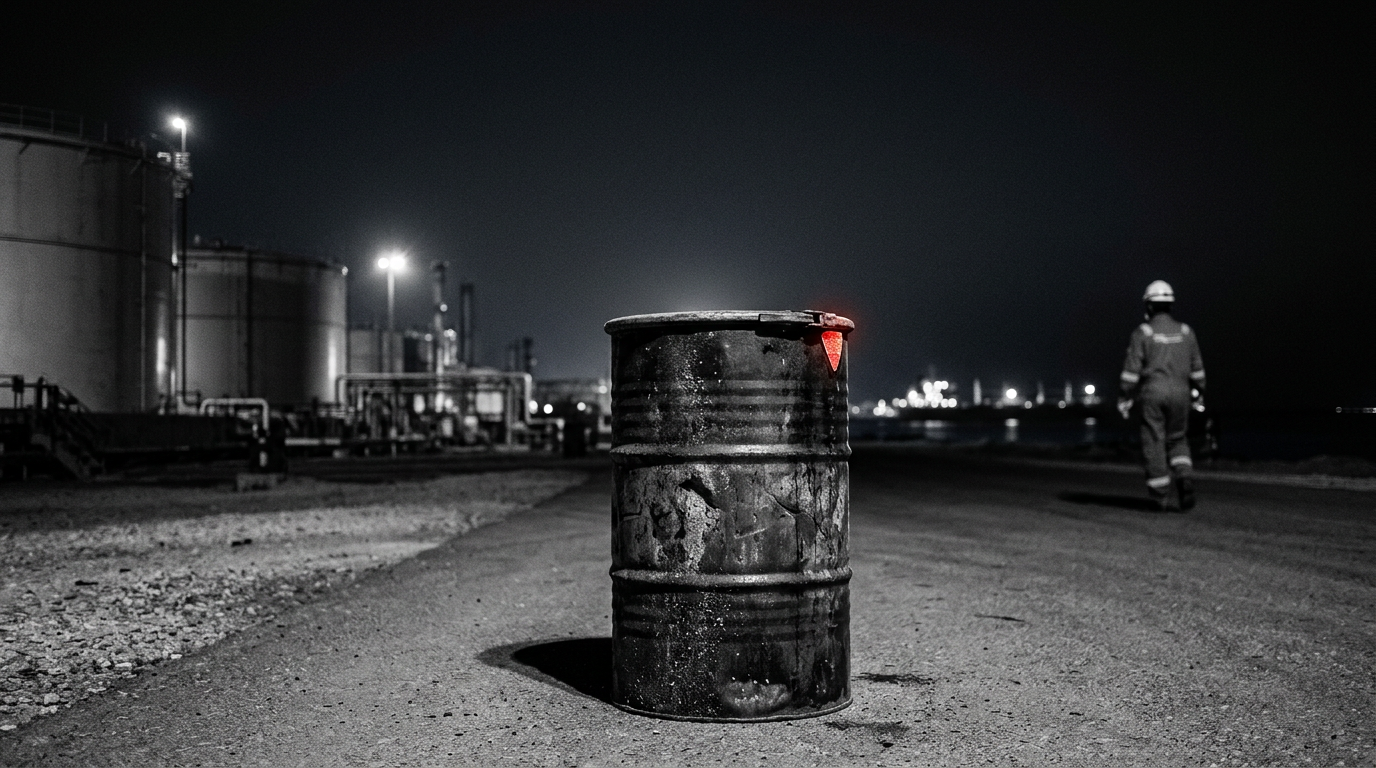
Geopolitical tensions involving the United States and Iran in the Gulf region have significantly influenced global energy markets, particularly since late February. This period of intensified instability has notably impacted transit through the Strait of Hormuz, a critical international chokepoint for oil and gas shipments. The resulting market conditions have led to a noticeable increase in international oil prices and varied financial outcomes for major energy companies.
Over the past six months, Brent crude, a significant global oil benchmark, saw its value increase by approximately 22 percent, climbing from 72 dollars to 88 dollars per barrel. This price surge is largely attributable to the constrained flow of oil and gas through the Strait of Hormuz, which has tightened global energy supplies and heightened supply chain disruption concerns.
Differing Fortunes for Energy Corporations
The market disruption has created a complex financial environment for large US energy corporations. Companies with a substantial operational footprint in the Gulf region have reported decreases in their upstream production volumes. For example, ExxonMobil's upstream earnings experienced a decline of 1.3 billion dollars during the first half of 2026 compared to the previous year, illustrating the financial challenges posed by regional instability and reduced output.
Conversely, energy firms with less direct exposure to the Gulf region have benefited from the elevated commodity prices. These companies have capitalized on higher oil and gas valuations, reporting robust financial results. Chevron, for instance, announced record quarterly earnings, demonstrating its ability to profit from the prevailing market conditions despite the broader geopolitical uncertainties.
Anticipated Supply Reductions and Security Risks
Data compiled by industry analysts indicates that US companies are anticipating significant reductions in energy supplies originating from the Gulf region for the current year. Projections suggest a 40 percent decrease in gas supplies and a 30 to 35 percent decline in oil supplies. This forecasted reduction underscores the extensive nature of the supply chain disruption facing the global energy sector.
The security situation in the region remains highly volatile. Since February, at least 172 attacks on non-military infrastructure have been documented by conflict data trackers, highlighting the persistent risks to energy operations and critical infrastructure. Analysts widely expect that the ongoing challenges in the Strait of Hormuz will not only delay planned long-term capital projects in the energy sector but also sustain upward pressure on global energy prices for the foreseeable future, potentially leading to prolonged market volatility.
Global Economic Projections Amid Volatility
Against this backdrop of fluctuating energy markets, the International Monetary Fund (IMF) has provided updated economic projections for the United States for 2026. Real Gross Domestic Product (GDP) growth is now forecast at 2.1 percent, a slight increase from its previous estimate of 2.0 percent. Inflation, as measured by the Consumer Price Index (CPI), is projected to be 2.4 percent, a modest decrease from the earlier 2.7 percent forecast.
The unemployment rate is also expected to show improvement, with a revised forecast of 4.1 percent, down from 4.2 percent. These revised figures suggest a resilient US economy, even as global energy markets contend with significant headwinds and the ongoing impact of geopolitical tensions in vital shipping lanes.