Businessman fined for AI-generated court complaints
London court fined Aldo d’Aponte after he admitted false statements tied to AI-generated letters opposing Heaven nightclub’s reopening.
Ayla Demirhan ·
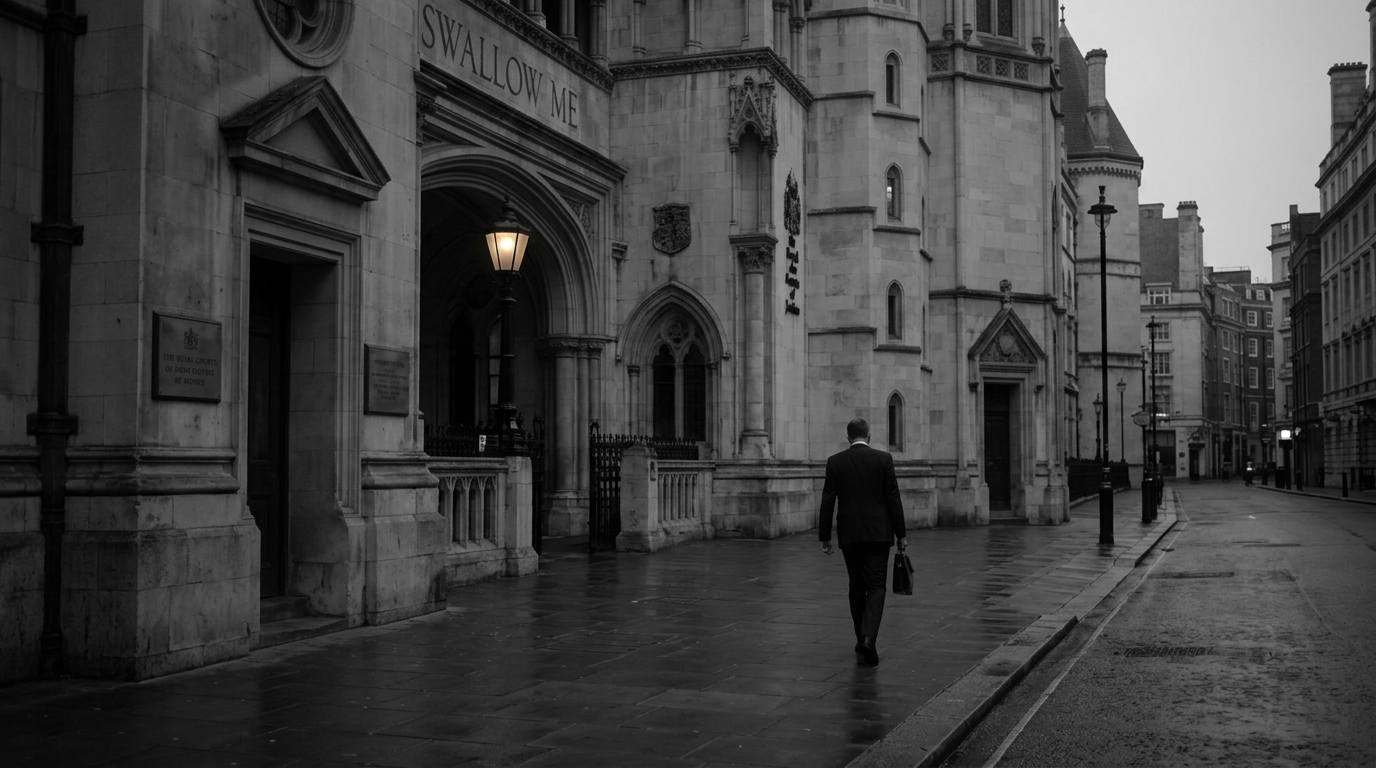
A London businessman, Aldo d’Aponte, 47, pleaded guilty on Thursday to making false statements aimed at stopping the reopening of Heaven nightclub in central London. The court gave d’Aponte a 12-month conditional discharge and ordered him to pay £85 in costs and a £26 victim surcharge.
The case centres on two objection letters submitted during the process around the venue’s return to operation. Officials said the letters were presented as if they came from local residents living near the club and were intended to oppose the nightclub’s reopening.
Police said the letters were later flagged by an AI detection generator as likely created using artificial intelligence. Investigators also found that the supposed complainants did not exist at the addresses listed in the submissions.
The Metropolitan Police said the use of artificial intelligence to create complaints from non-existent individuals is becoming a larger problem. The case was presented as an example of how AI tools can be used to produce material that appears credible enough to enter formal processes.
Heaven nightclub, described as an LGBTQ venue, had its licence temporarily suspended in November 2024 after a rape allegation was made against a security guard. The security guard was later acquitted, according to the case details.
A month after the suspension, the club was allowed to reopen following a council hearing. As part of that decision, enhanced welfare and security policies were put in place.
D’Aponte is the CEO of Arbitrage Group Properties. His legal representative said the submissions were a “foolish and desperate act” and linked the behaviour to what was described as long-standing nuisance associated with the venue.
The outcome adds to ongoing attention from law enforcement to the practical challenges posed by AI-generated text in regulatory and legal settings. Police statements in the case focused on the difficulty of identifying fabricated complainants when documents are designed to resemble genuine community objections.
Uncertainties remain about how widely similar tactics are being used beyond this case, and how frequently AI detection tools are relied upon in such investigations. The Metropolitan Police’s comments indicated concern about the trend, while the court proceedings addressed the specific false statements tied to the Heaven nightclub process.
The case also intersects with broader questions for businesses and local authorities about safeguarding public consultations and licensing procedures from manipulated submissions. In this instance, the court record and police findings set out how the letters were assessed and why they were treated as false statements.
Implications
Country Impact: In the UK, the case underscores police concerns about AI-generated submissions entering formal licensing and consultation processes. It also highlights the operational burden on authorities when verifying identities and addresses tied to objections.
Industry Impact: For nightlife, hospitality, and property stakeholders, the case shows how licensing disputes can be influenced by fabricated documentation. It also points to the need for stronger verification steps in processes where written objections can affect business operations.
Market Impact: The Metropolitan Police’s comments reflect a growing risk that AI-generated text can be used to manipulate administrative procedures, raising compliance and verification costs. More robust screening and identity checks could affect how quickly venues and other businesses navigate regulatory approvals.