Man City's Financial Fair Play Scrutiny Intensifies
Manchester City faces intense scrutiny over financial fair play compliance, potentially jeopardizing past Premier League titles.
Mehmet Şahinoğlu ·
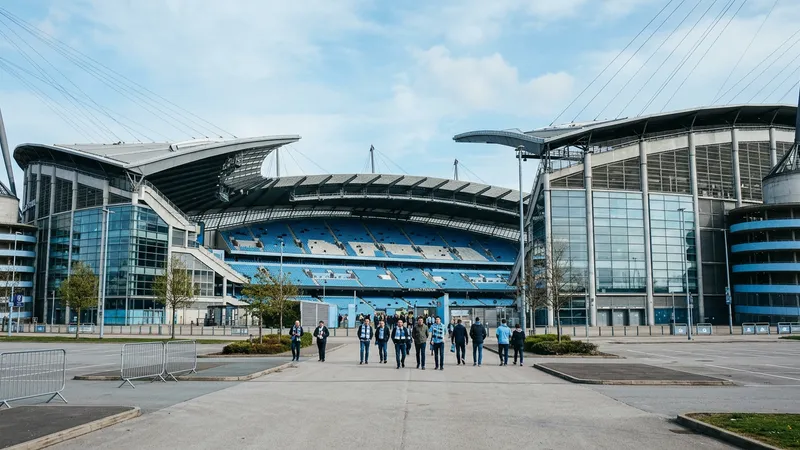
Manchester City faces renewed scrutiny over its compliance with financial fair play regulations, drawing comparisons to high-profile sporting disqualifications. The club's past Premier League titles could be at risk if allegations of financial misconduct are substantiated, mirroring cases like Ben Johnson's Olympic gold and Lance Armstrong's Tour de France victories.
Financial Rules Impact Club Ambitions
Vincent Kompany, Bayern Munich's head coach, recently commented on financial fair play rules after his team defeated Aston Villa in a pre-season friendly. Aston Villa, a club owned by billionaires, won the Europa League in May and is competing in the current Champions League season. Despite its success, the club sold several prominent players during the summer transfer window to meet financial regulations.
Spending Restrictions Shape European Football
Kompany's Bayern Munich benefits from these spending restrictions, which ostensibly safeguard established, historically successful clubs. These rules effectively limit the aspirations of newer, well-funded challengers. For instance, Newcastle United's wealthy Saudi Arabian owners have curbed their spending ambitions since their 2021 takeover, unable to pursue the extensive player acquisitions seen in previous eras.
Regulatory Frameworks and Competitive Balance
The current financial fair play framework aims to prevent clubs from spending beyond their means, promoting long-term sustainability. However, critics argue these regulations inadvertently entrench the dominance of existing elite clubs by restricting investment from new owners. This dynamic creates a competitive imbalance, where clubs with historical revenue streams maintain an advantage over those seeking to rapidly ascend through significant financial backing.
Potential Repercussions for Premier League Titles
Ongoing investigations into Manchester City's financial practices could lead to severe penalties, including potential points deductions or even the stripping of past titles. Such outcomes would significantly alter the Premier League's historical record and send a strong message regarding the enforcement of financial regulations in top-tier football. The precedent set by other sports, where major achievements were nullified due to rule breaches, highlights the seriousness of the situation.
Global Macroeconomic Impact on Sports Investment
The broader economic landscape, characterized by fluctuating global capital flows and increased regulatory oversight, influences investment in sports. Wealthy individuals and sovereign funds continue to seek opportunities in high-profile sports franchises, but tightening financial fair play rules across major leagues could temper the scale and nature of these investments. This shift might lead to more strategic, rather than purely expenditure-driven, approaches to club development.
Future Scenarios for Football Governance
If financial fair play rules are strictly enforced, leading to significant sanctions for clubs like Manchester City, the global macro picture could see a re-evaluation of sports ownership models, potentially favoring more organic growth and sustainable financial practices. For Manchester City, this could mean a period of reduced competitiveness and a tarnished reputation, impacting sponsorship deals and player recruitment. The wider football industry might experience a recalibration of transfer market dynamics, with less emphasis on exorbitant spending and more on youth development and shrewd financial management. Conversely, if enforcement proves lenient, existing power structures within European football are likely to persist, maintaining the status quo of financial disparity and potentially inviting further challenges to regulatory authority.