Malaysia Plans Rohingya Repatriation to Myanmar
Malaysia will commence the repatriation of 1,500 Rohingya refugees to Myanmar on September 29, following an agreement to return 5,000 individuals.
Lauren Collins ·
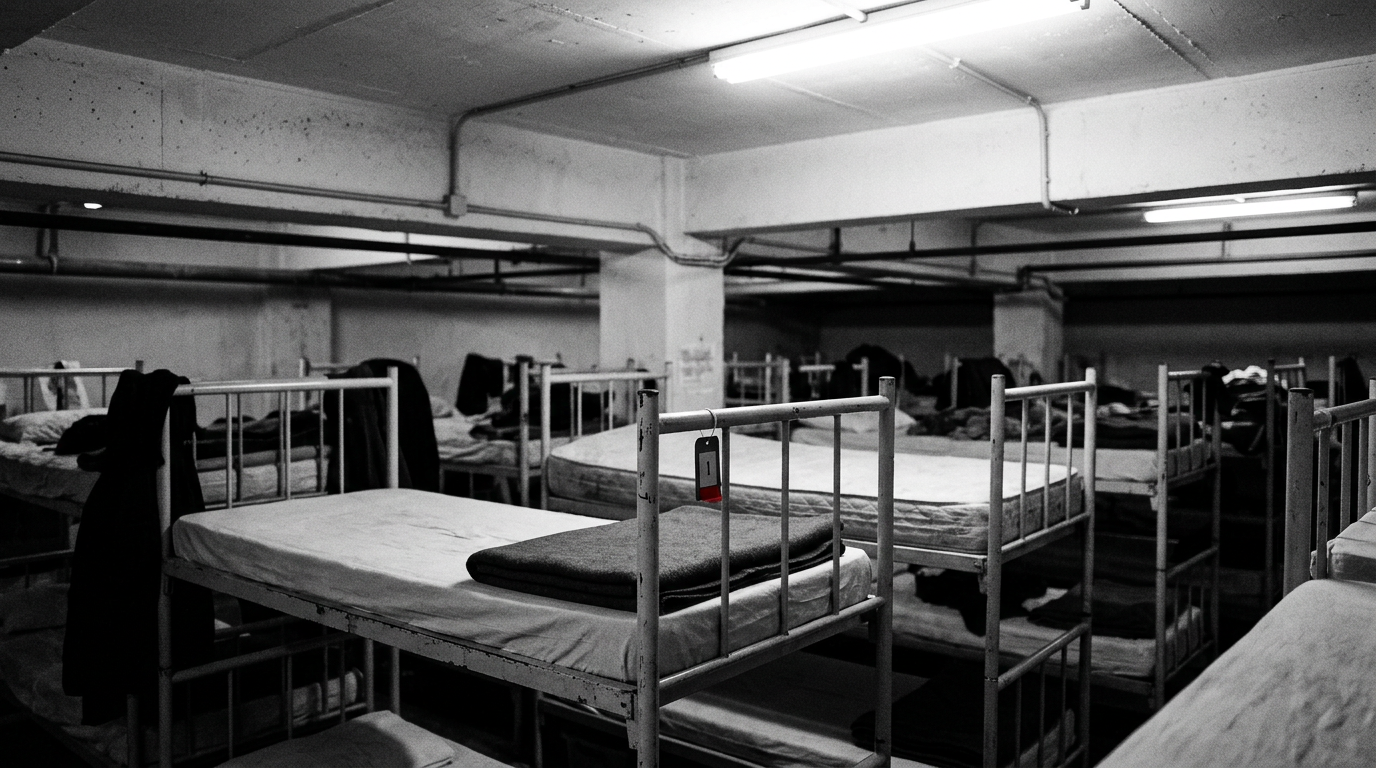
Malaysia is preparing to initiate the first phase of a repatriation program for Rohingya refugees, aiming to return at least 1,500 individuals to Myanmar starting September 29. This effort stems from an agreement forged between Malaysian Prime Minister Anwar Ibrahim and Myanmar's military-backed administration, which targets the eventual return of 5,000 Rohingya refugees. The decision reflects growing domestic pressure and social considerations within Malaysia regarding its substantial refugee population.
Logistical arrangements for the initial return journey will involve the deployment of two Myanmar naval warships alongside a hospital ship for transportation. Malaysian Home Ministry officials have indicated that over 10,000 Myanmar nationals currently held in immigration detention centers are undergoing a thorough vetting process. This rigorous procedure includes identity verification and comprehensive security background checks to determine their eligibility for the voluntary repatriation scheme.
Addressing Refugee Management
This broader strategy is part of Malaysia's efforts to manage its significant refugee population. Registered asylum seekers in the country include more than 126,000 Rohingya, constituting the largest single group. Malaysia, which has not ratified the 1951 UN Refugee Convention, hosts one of the largest refugee populations in Southeast Asia, with over 215,000 registered asylum seekers in total.
Officials within the Malaysian government affirm that participation in the repatriation process is voluntary for the refugees and remains conditional on guaranteed safety within Myanmar. However, a number of international human rights organizations have voiced considerable apprehension regarding the plan's implementation and the conditions in Myanmar.
International Concerns and Safety Risks
Groups such as Human Rights Watch contend that conditions in Myanmar continue to be highly unstable. Human rights organizations cite persistent reports of war crimes and crimes against humanity occurring within Myanmar, suggesting that genuine stability for returning populations is lacking. These organizations emphasize that the prevailing environment may not be safe or conducive to a dignified return for the Rohingya community.
The core uncertainty surrounding this initiative revolves around whether the political and security landscape in Myanmar can genuinely offer a safe and dignified environment for the returning Rohingya. Should instability persist in Myanmar, the repatriation effort could encounter significant challenges, potentially impacting the well-being of those returned and straining diplomatic ties across the broader region.
Conversely, an improvement in conditions within Myanmar, coupled with transparent management and robust international oversight of the process, could establish an important precedent for managing large refugee populations throughout Southeast Asia. Such an outcome would represent a rare success in addressing long-standing humanitarian challenges affecting the region.
Historical Context of Rohingya Crisis
The Rohingya, a Muslim minority group, have faced decades of persecution in Myanmar, leading to multiple waves of displacement. A significant exodus occurred in late 2017 when more than 700,000 Rohingya fled violence in Myanmar's Rakhine State, seeking refuge primarily in Bangladesh. International bodies have documented systematic abuses against the community, including allegations of genocide. Many Rohingya refugees reside in temporary camps in neighboring countries, awaiting a durable solution to their displacement. The current repatriation plan by Malaysia aims to address a portion of this displaced population, albeit under scrutiny regarding conditions in their homeland.