Europe Mulls Naval Force After Strait Closure Threat
Europe plans Hormuz maritime force after April 17 Paris talks, aiming to restore passage following the strait’s closure tied to the Feb. 28 war.
Lauren Collins ·
-Israel war on Iran, which began on February 28. The initiative was formally named the Strait of Hormuz Maritime Freedom of Navigation Initiative . The United States is not taking part in the discussions, officials said.
The strait is a major global energy chokepoint, carrying about one-fifth of the world’s oil supply. Officials said Iran has blockaded the passage, while additional U.S. blockades on Iranian ports have compounded the disruption. The combined effect has tightened shipping flows and raised concerns among governments about knock-on impacts across energy, transport, and supply chains.
European leaders publicly linked the disruption to immediate economic and logistical risks. French President Emmanuel Macron and British Prime Minister Keir Starmer cited worries about rising inflation, the possibility of food shortages, and flight cancellations tied to shrinking jet fuel availability. Officials also said more than 20,000 seafarers are stranded aboard ships caught up in the blockade, underscoring the human and operational strain on maritime trade.
-Israel war on Iran. Officials outlined conditions that would need to be met before any deployment: Iran would have to commit to stopping fire on ships transiting the strait, and the United States would have to commit to not blocking vessels moving into or out of the waterway. The talks focused on how a coalition could operate under those constraints while prioritizing navigation safety.
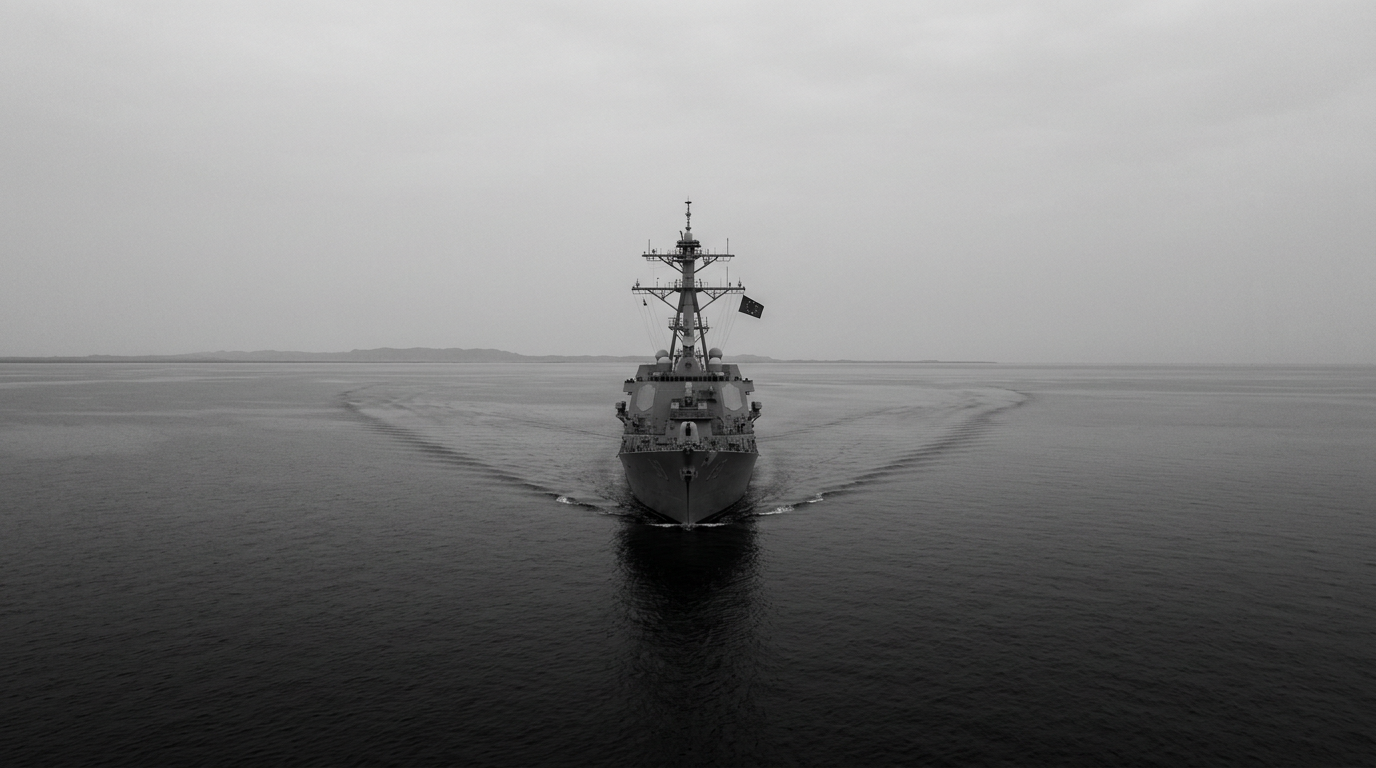
Military planning is underway, though officials stressed the mission remains in development. The United Kingdom is considering the use of mine-hunting drones, and France is preparing naval assets as part of the planning process. No final operational plan or deployment timeline was announced in the discussions described.
For global markets and governments, the Strait of Hormuz disruption has become a focal point because of its central role in energy shipping and the broader trade system. Officials’ emphasis on inflation pressures, fuel availability, and food supply risks reflects the cross-border nature of the shock. At the same time, the stated preconditions for deployment highlight uncertainty over whether the security environment will allow the initiative to move from planning to execution.